Images for Christmas Eve, Christmas Day and the First Sunday after Christmas

From Luke’s Christmas Story

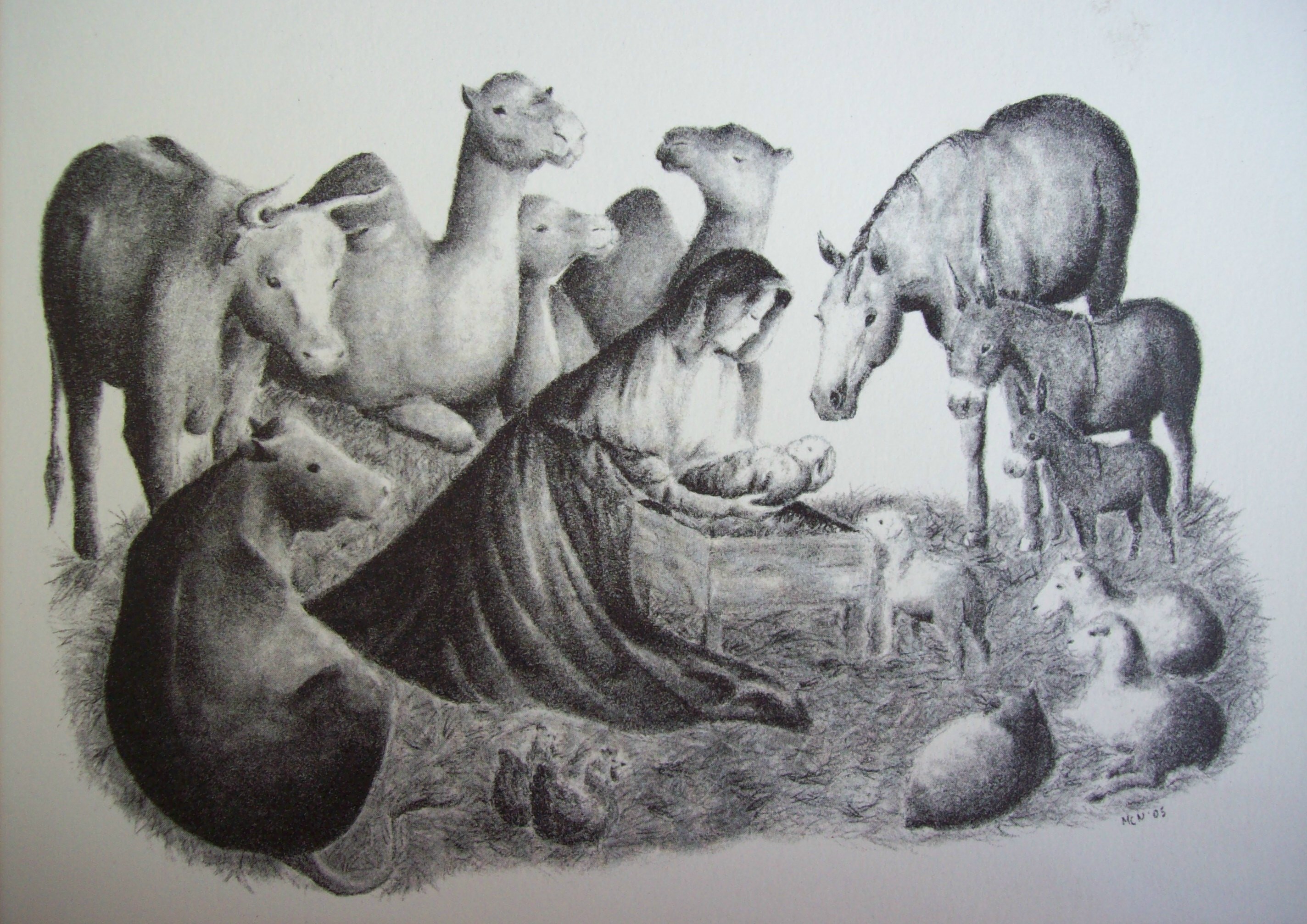
Nativity by Lady Macbeth @deviantart.com

Nativity by Lady Macbeth @deviantart.com

Nativity by Zephyr98@deviantart.com

Nativity by Zephyr98@deviantart.com

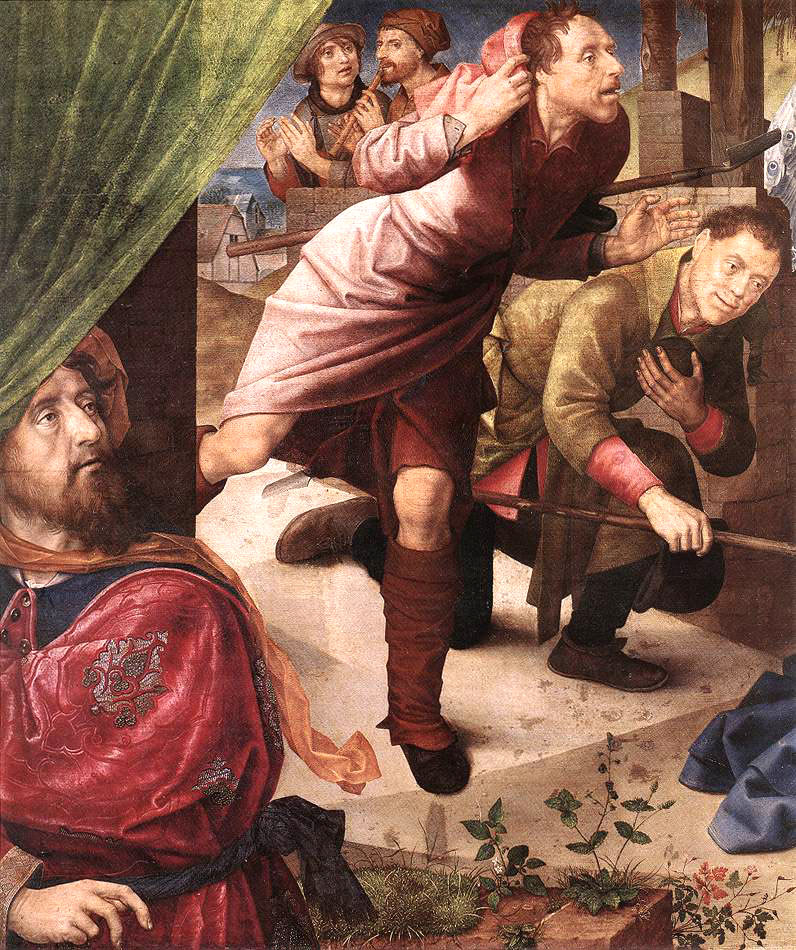
Hugo Van der Goes, The Adoration of the Shepherds 1480

Hugo Van der Goes, The Adoration of the Shepherds 1480

James Tissot, The Adoration of the Shepherds between 1886 and 1894

James Tissot, The Adoration of the Shepherds between 1886 and 1894


Christmas Day from the Prologue of John’s Gospel there are some really cool images at the Light of the World Exhibition of the Episcopal Church and Visual Arts

Finally for the Sunday after Christmas, which this year is the story of the slaughter of the innocents by Herod in Matthew’s gospel

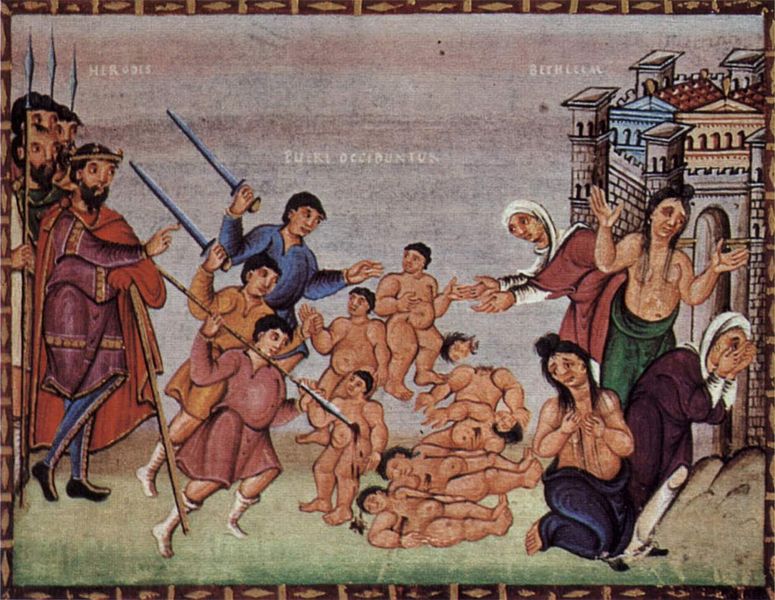
Codex Egberti, Folio 15, scene: Bethlehemitscher Kindermord

Codex Egberti, Folio 15, scene: Bethlehemitscher Kindermord

Peter Paul Rubens, La massacre des Innocents 1611-1612

Peter Paul Rubens, La massacre des Innocents 1611-1612


Francois-Joseph Navez, the Massacre of the Innocents 1824

Francois-Joseph Navez, the Massacre of the Innocents 1824


Phoenix Rising- A Poem

Flight of the Phoenix by shutupandwhiper@deviantart.com

Flight of the Phoenix by shutupandwhiper@deviantart.com

Rising from the ashes of a past that consumed the dreams of the day
Embracing the rising sun of the new life and possibilities
The flaming pyre that were supposed to consume me
Became the necessary predecessor to resurrection
As the strength long lost returns as the desperation of the past dies
The pinions once clipped to prevent flight have regenerated stronger than ever
As the fiery feathers cover my contours radiate life and light
And my brightly covered wings yearn to taste the breath of the heavens
The phoenix rises from the ash pile of the past
To boldly fly into a new future, to climb the updrafts
And return his magic to the kingdom of the air

Neil White, 2013

Images for the Fourth Sunday of Advent

Another cool resource I found this week for artwork is Art and Bible which is in French, but it is pretty easy to click on the wikis for various readings which also has some great artwork for this passage.

For this year it is Matthew’s nativity story which focuses attention on Joseph and the angel speaking to Joseph in a dream:

Saint Joseph the Carpenter, Georges de La Tour (1640)

Saint Joseph the Carpenter, Georges de La Tour (1640)

James Tissot, The Vision of Saint Joseph (1886-1894)

James Tissot, The Vision of Saint Joseph (1886-1894)

T'oros Roslin, Joseph's Dream (1262)

T’oros Roslin, Joseph’s Dream (1262)

Domenico Guidi, Vision of St. Joseph 1694

Domenico Guidi, Vision of St. Joseph 1694

Sir John Everett Millais, Jesus in the House With His Elders, 1850

Sir John Everett Millais, Jesus in the House With His Elders, 1850

Saint Joseph Holding the Christ, Scuola Veneta, picture by Antione Motte dit Falisse

Saint Joseph Holding the Christ, Scuola Veneta, picture by Antione Motte dit Falisse

Imagining Advent- A poem

Altar Paraments created for Easter Lutheran Church in Eagen Minnesota by Linda Witte Henke

Altar Paraments created for Easter Lutheran Church in Eagen Minnesota by Linda Witte Henke

In a world come of age that no longer dreams
When the spiritual is banished to some distant past
And feelings and dreamings of the romatics are exorcised
In the cold harsh world of facts and data and pundits
Can we imagine the advent of mystery
The coming of the divine into the space of the secular
Will the dreams of the prophets be met by the cynicism of this age
Like in their own day, ignored by those who had surrendered hope
To the foolishness of the past, to the dreams of old men
The prophecy of daughters long gone and the visions of young men

Or might there be in the midst of the foolishness of those dreams
A way out of the rabbit’s hole where we find ourselves trapped in our own wonderlands
Trapped into a world that egocentrically revolves around the walls I build to protect me from thee
What would a world look like where nations no longer train for war
Where spears of separation are beaten into pruning hooks of production
Where swords of every age are reforged into the implements for feeding the nations
Where the shields and walls that divide become the fuel that fires the halls of fellowship
In this crazy kingdom where wolves and lambs lie down, and lions and calves and fatlings
Where children can play with poisonous snakes and we enter into the childish imagination
Of the Lord who is born in the home of the animals, laid in the straw of the ox

Of deserts that become productive and blind that see and deaf that hear,
Where springs of water break forth in the midst of the thirsty ground
And the highway that leads home is no longer a fools dream
No longer just the narrow way that only the wise can discern
To a place where hospitality and healing reign and tears are wiped away
Where children are born to us that might bring the mighty down from their thrones
And uplift the humble of heart and fill the hungry with good things
A crazy dream where the last are first and the first are last
Where the poor, hungry, weeping, hated, cursed and defamed are blessed
Where the ignored child of an unwed mother is Lord
And a crucified slave is the king

These dreams don’t come easy in a world come of age
Where we are all too aware of the ways these dreams were manipulated and mobilized
To prop up the powerful rather than to lift up the lowly
To build walls to divide rather than to create a world where there is no longer
Jew or Greek, slave or free, male or female
And yet for all the deconstructionism of the day
The dreams persist, the imagination dares to imagine the heavens opened
The angelic messengers pointing to the sacred in the midst of the profane
That the portals between heaven and earth may indeed be opened
In this unusual advent coming in the smallest and the least
Where a little child might lead them.

Neil White, 2013

Images for the Third Sunday of Advent

This is typically the second Sunday of John the Baptist readings for the season of Advent, so a few images of John the Baptist first and then I’m going to  break from the Revised Common Lectionary this Sunday in Year A (Matthew) and use the genealogy in Matthew’s gospel as a way to introduce the story. So John the Baptist first, as I mentioned last week John the Baptist is a favorite of artists so there are lots more out there, but a few include:

Joan de Joanes, Saint John the Baptist, 1560

Joan de Joanes, Saint John the Baptist, 1560

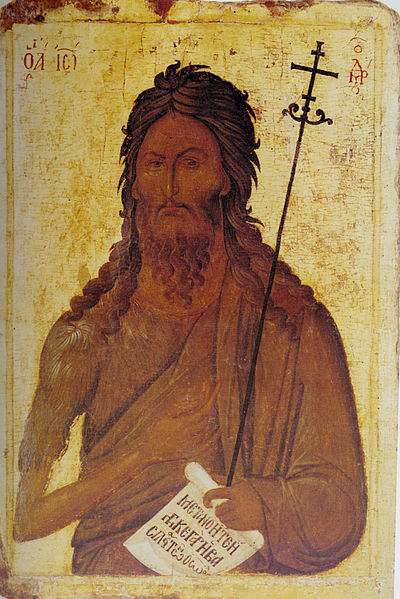
John the Baptist, Icon from Macedonia 14th Century

John the Baptist, Icon from Macedonia 14th Century

Pierre Puvis de Chavannes, The Beheading of St John the Baptist 1869

Pierre Puvis de Chavannes, The Beheading of St John the Baptist 1869

Now for the Geneology of Matthew which is punctuated (unusual for a geneology) by a number of women including

Tamar:

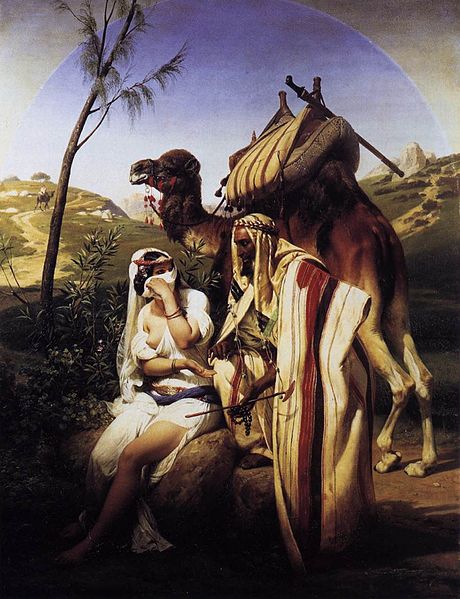
Horace Vernet, Judah and Tamar 1840

Horace Vernet, Judah and Tamar 1840

Rahab:

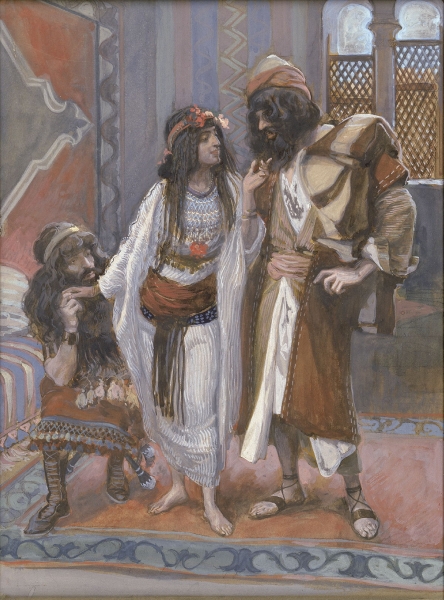
James Tissot, The Harlot of Jericho and the Two Spies

James Tissot, The Harlot of Jericho and the Two Spies

Ruth

William Blake, Naomi Entreating Ruth and Orpah

William Blake, Naomi Entreating Ruth and Orpah

Bathsheeba, the wife of Uriah the Hittite

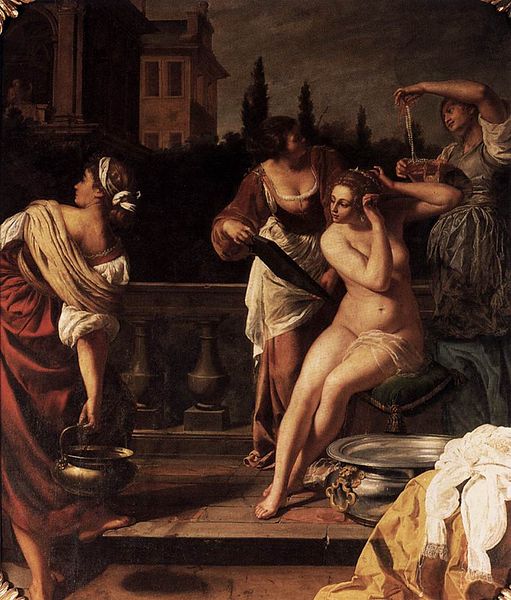
Artemisia Gentileschi, Bathshedba, first half of the 17th Century

Artemisia Gentileschi, Bathshedba, first half of the 17th Century

The good kings of Israel and later Judah and the bad:

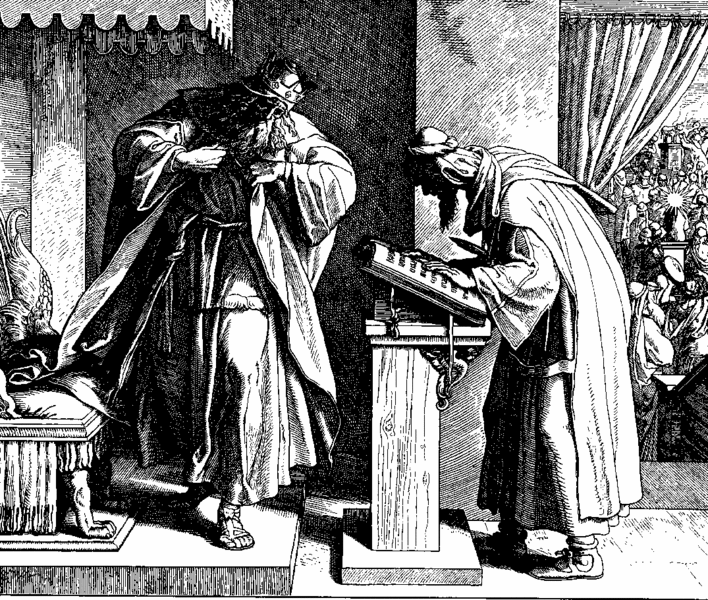
King Josiah by Julius Schnoor von Carolseld

King Josiah by Julius Schnoor von Carolseld

The Exile in Babylon

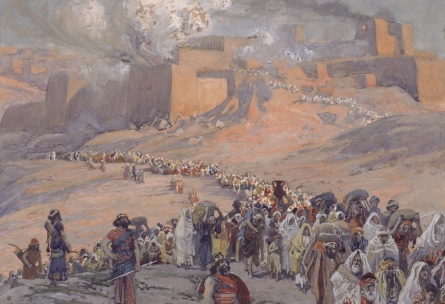
James Tissot, The Flight of the Prisoners

James Tissot, The Flight of the Prisoners

And the return

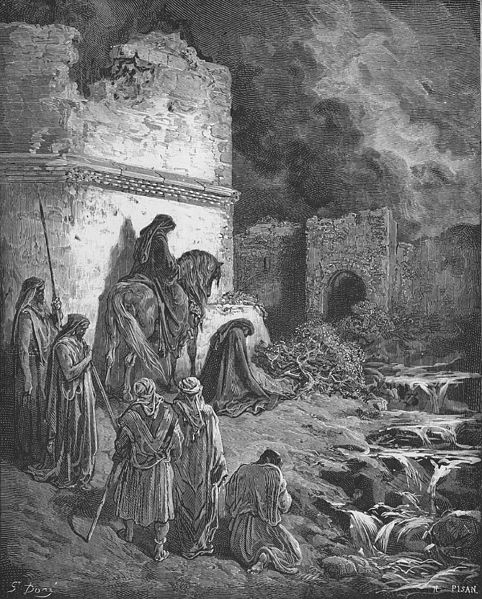
Nehemiah View the Ruins of jerusalem's Walls, Gustav Dore 1866

Nehemiah View the Ruins of jerusalem’s Walls, Gustav Dore 1866

And finally Joseph

Guido Reni, Saint Joseph with the Infant Jesus, 1635

Guido Reni, Saint Joseph with the Infant Jesus, 1635

Frozen- A Poem

photo (1)

As the earth reaches the point where water turns to ice
And life retreats into the caves and crevasses of the world
In a valiant attempt to retain the heat that it has stored up
From the new life of spring and the warmth of summer
Hiding away from the slow creeping death of cold
Trying to survive until the warm air renews the earth again
Winter has arrived and in it is a time where the earth yield not its fruit
Where the sun disappears behind the clouds and shortens it trek along the sky
And for a season the north winds and the cold nights reign supreme
While the creatures of spring hide away or flee towards the lands of summer
Until the transitory ice age passes and the waters melt and life returns

Neil White, 2013

Jeremiah 21: The Kingdom Laid Low

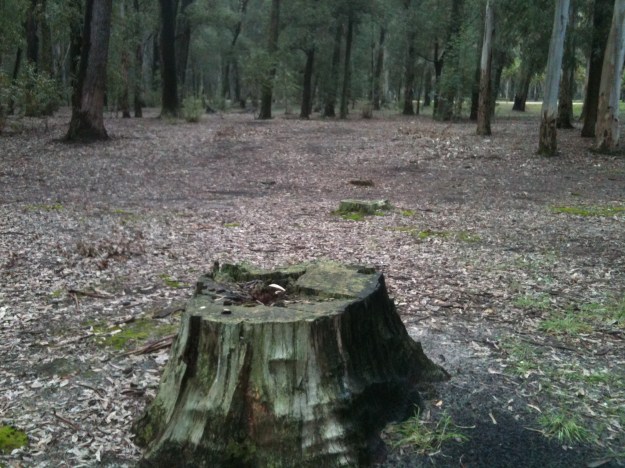
stump_by_abstractmatter-d5c3key

Jeremiah 21

This is the word that came to Jeremiah from the LORD, when King Zedekiah sent to him Pashhur son of Malchiah and the priest Zephaniah son of Maaseiah, saying, 2 “Please inquire of the LORD on our behalf, for King Nebuchadrezzar of Babylon is making war against us; perhaps the LORD will perform a wonderful deed for us, as he has often done, and will make him withdraw from us.”

 3 Then Jeremiah said to them: 4 Thus you shall say to Zedekiah: Thus says the LORD, the God of Israel: I am going to turn back the weapons of war that are in your hands and with which you are fighting against the king of Babylon and against the Chaldeans who are besieging you outside the walls; and I will bring them together into the center of this city. 5 I myself will fight against you with outstretched hand and mighty arm, in anger, in fury, and in great wrath. 6 And I will strike down the inhabitants of this city, both human beings and animals; they shall die of a great pestilence.

 7 Afterward, says the LORD, I will give King Zedekiah of Judah, and his servants, and the people in this city– those who survive the pestilence, sword, and famine– into the hands of King Nebuchadrezzar of Babylon, into the hands of their enemies, into the hands of those who seek their lives. He shall strike them down with the edge of the sword; he shall not pity them, or spare them, or have compassion.

 8 And to this people you shall say: Thus says the LORD: See, I am setting before you the way of life and the way of death. 9 Those who stay in this city shall die by the sword, by famine, and by pestilence; but those who go out and surrender to the Chaldeans who are besieging you shall live and shall have their lives as a prize of war. 10 For I have set my face against this city for evil and not for good, says the LORD: it shall be given into the hands of the king of Babylon, and he shall burn it with fire.

                11 To the house of the king of Judah say: Hear the word of the LORD, 12 O house of David! Thus says the LORD:

Execute justice in the morning,

and deliver from the hand of the oppressor

anyone who has been robbed,

or else my wrath will go forth like fire,

and burn, with no one to quench it,

because of your evil doings.

                13 See, I am against you, O inhabitant of the valley,

                O rock of the plain, says the LORD;

you who say, “Who can come down against us,

or who can enter our places of refuge?”

14 I will punish you according to the fruit of your doings, says the LORD;

I will kindle a fire in its forest, and it shall devour all that is around it.

A little context helps to make sense of this passage. So many times people had not wanted to hear Jeremiah’s words but now the king sends Passhur, a different Passhur from the previous chapter, and Zephaniah to seek the prophet’s words. King Zedekiah was appointed in the time between the two exiles as a puppet king of the Nebuchadrezzar, a child of Josiah was left to rule over a bankrupt kingdom with most of its leaders taken into exile into Babylon after the first time the Babylonians conquered the city, and as Rabbi Lau paints the picture

Whereas the exiled leaders had the capacity for leadership, their replacements come from the dregs of society, seizing the leadership vacuum as an opportunity to accumulate power. Violence and aggression prevails as paupers become princes overnight. (Lau, 2013, p. 131)

In the nine years between 597 and 586 BCE the majority of the people of the land remain in Judea, but there are many who long for Judea’s former status as an independent nation. In 594 BCE there is a regional summit of the nations in the region in which the leadership sets a pro-Egypt and anti-Babylonian policy. When Judea begins to delay making its payments of dues to the Babylonian empire they are slow to respond, trying to resolve things diplomatically, but by 588 BCE it is clear to the Babylonians that more drastic measures are called for and they launch a punitive campaign against Judah. Every hope seems dashed, the support they desired from Egypt has not been delivered, the Babylonians are rolling over the fortified cities to the north of Jerusalem and nothing seems to be stopping their advance, so Zedekiah sends to Jeremiah in a last gasp of hope.

This is the time immediately before the final exile in 586 BCE the king and his entourage see the writing on the wall and hope for a rewrite, but God is not giving them the answer they seek. There is no undoing the bad decisions of the past, the ways they have trusted in their own strength or their alliances with other nations and not in God and no eleventh hour return is going to stay the consequences of their actions at this point. Even beyond surrendering the people to the consequences of their own actions, God is against the people at this point. The only way out the prophet gives is surrender, to abandon the city and beg for the mercy of the Babylonians. There is a way to life, but it leads through the death of all that is known before. The last sprout of the Davidic line of kings is about to be chopped down, the city left as a waste and the people of the land will soon be landless. They are entering the time of broken dreams and hopes were all that is to be seen in the immediate future is desolation and despair. This is not the end of the story, but it is the hell that the people and the prophet will endure in their immediate future and their only hope is that, as in ages past, their God will look down and see their oppression in a foreign land and bring them out once again with a mighty hand.

purple rose 01 by picsofflowers.blogspot.com

Images for the First Two Sundays of Advent

With Thanksgiving I didn’t get the first set of images posted, so here are the images for Advent 1 and 2 from year A of the Revised Common Lectionary:

Advent 1: Isaiah 2: 2-5 and Matthew 24: 36-44

Let us Beat Swords Into Plowshares, a sculpture by Evgeniy Vuchetich, given by the Soviet Union to the United Nations in 1959

Let us Beat Swords Into Plowshares, a sculpture by Evgeniy Vuchetich, given by the Soviet Union to the United Nations in 1959

Franzosischer Meister, Der Bau der Arche Noah, 1675

Franzosischer Meister, Der Bau der Arche Noah, 1675

The Second Sunday of Advent

Two on the Isaiah 11: 1-10 from Edward Hicks

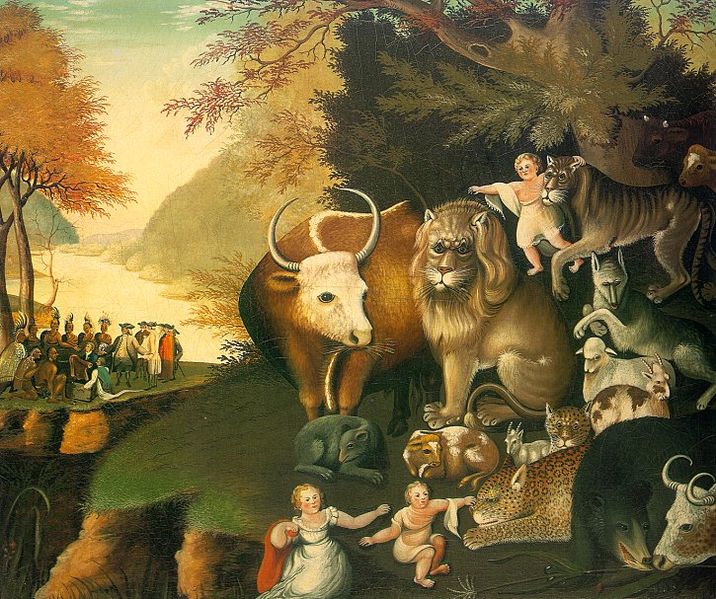
Edward Hicks, Peaceable Kingdom 1834

Edward Hicks, Peaceable Kingdom 1834

Edward Hicks, Peaceable Kingdom of the Branch (182601830)

Edward Hicks, Peaceable Kingdom of the Branch (182601830)

The Oldest know Jesse Tree Window from the Chartres Cathedral in France c. 1145

The Oldest know Jesse Tree Window from the Chartres Cathedral in France c. 1145


And then some images of John the Baptist from Matthew 3 (there is a plethora of John the Baptist images in classic art, her is one of the favorite characters so this is a very small sample)

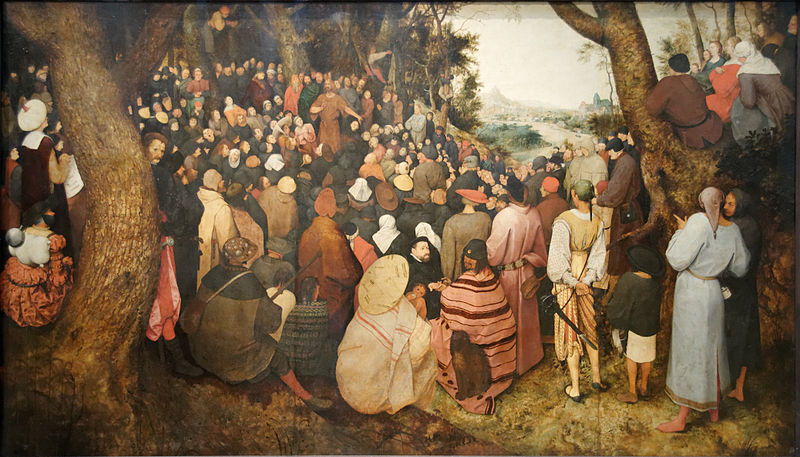
Pieter Brueghel the Elder, The Sermon of St John the Baptist (detail) 1566

Pieter Brueghel the Elder, The Sermon of St John the Baptist (detail) 1566


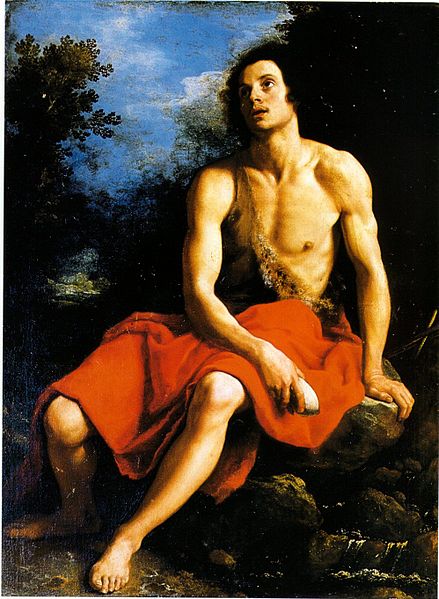
Cristofano Allori, John the Baptist in the Desert, 17th Century

Cristofano Allori, John the Baptist in the Desert, 17th Century


Matthias Grunewald, Detail from the Isenheimer Altar 1512-1516

Matthias Grunewald, Detail from the Isenheimer Altar 1512-1516


The World of Dreams- a poem

Folded Dreams by PORG at Deviantart.com

Folded Dreams by PORG at Deviantart.com

In a world that burns the midnight oil
That blearily blunders through the monotony of the endless day
Do we dare enter the Sabbath of the night
To enter that unruly and unpredictable world of dreams
Dreams that defy the cold mechanistic reality of the day
To close our eyes so our mind might be opened
To the possibilities that dance beyond the edges of perception
Can we drift into the silence of sleep
To that place where the whispers of heaven and the drums of nightmares
Compose the symphony of the imagination
And give birth to the visions of a new reality beyond the breaking dawn

Neil White, 2013

Jeremiah 20: The Abused Prophet

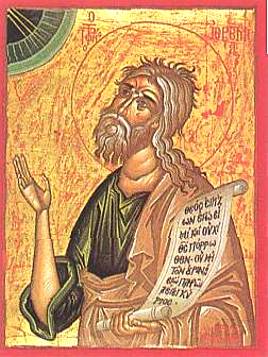
Orthodox Icon of the Prophet Jeremiah

Orthodox Icon of the Prophet Jeremiah

Jeremiah 20: 1-6

Now the priest Pashhur son of Immer, who was chief officer in the house of the LORD, heard Jeremiah prophesying these things. 2 Then Pashhur struck the prophet Jeremiah, and put him in the stocks that were in the upper Benjamin Gate of the house of the LORD. 3 The next morning when Pashhur released Jeremiah from the stocks, Jeremiah said to him, The LORD has named you not Pashhur but “Terror-all-around.” 4 For thus says the LORD: I am making you a terror to yourself and to all your friends; and they shall fall by the sword of their enemies while you look on. And I will give all Judah into the hand of the king of Babylon; he shall carry them captive to Babylon, and shall kill them with the sword. 5 I will give all the wealth of this city, all its gains, all its prized belongings, and all the treasures of the kings of Judah into the hand of their enemies, who shall plunder them, and seize them, and carry them to Babylon. 6 And you, Pashhur, and all who live in your house, shall go into captivity, and to Babylon you shall go; there you shall die, and there you shall be buried, you and all your friends, to whom you have prophesied falsely.

To be a prophet means that you will challenge the way things are, that you will incur the wrath of those who disagree with you, and that there will be consequences.  People don’t want to hear bad news, they often don’t want to hear what they are doing wrong, and especially within the context of the Temple or a church there can be a certain self-righteousness that looks down and says, “how dare you challenge me in this way.” Jeremiah is struck and placed in the stocks overnight, not a fun proposition but not one that is probably a significant deterrent, it is like spending overnight in jail for participating in a protest. Jeremiah is not deterred, he immediately turns to curse Pashhur, who struck him and placed him in stocks. Pashhur is:

Renamed to be identified with the horror that is coming
He will be a terror to himself and those he cares about
He will have to watch the destruction of his homeland and go into exile
He will watch his friends die, the things he trusted in destroyed
He will die, his friends will all die not here but in exile and their bodies will not return home
If this isn’t a curse, I don’t know what is. Jeremiah has endured much and has more to endure but we see him giving vent to one of his persecutors. Next we’ll see him vent to God.

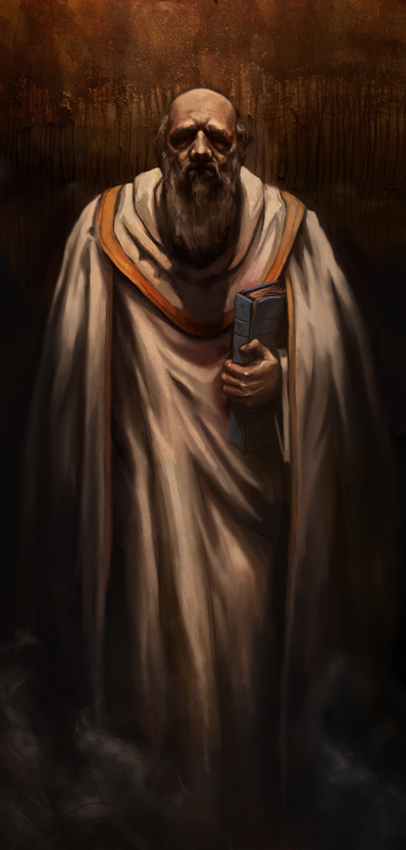
The Prophet (nogard86 at deviantart.com)

The Prophet (nogard86 at deviantart.com)

Jeremiah 20: 7-18

7 O LORD, you have enticed me, and I was enticed;
you have overpowered me, and you have prevailed.
 I have become a laughingstock all day long; everyone mocks me.
 8 For whenever I speak, I must cry out, I must shout, “Violence and destruction!”
 For the word of the LORD has become for me a reproach and derision all day long.
 9 If I say, “I will not mention him, or speak any more in his name,”
 then within me there is something like a burning fire shut up in my bones;
I am weary with holding it in, and I cannot.
 10 For I hear many whispering:
 “Terror is all around! Denounce him! Let us denounce him!”
 All my close friends are watching for me to stumble.
“Perhaps he can be enticed, and we can prevail against him, and take our revenge on him.”
                11 But the LORD is with me like a dread warrior;
 therefore my persecutors will stumble, and they will not prevail.
They will be greatly shamed, for they will not succeed.
 Their eternal dishonor will never be forgotten.
                12 O LORD of hosts, you test the righteous, you see the heart and the mind;
 let me see your retribution upon them, for to you I have committed my cause.
 13 Sing to the LORD; praise the LORD!
For he has delivered the life of the needy from the hands of evildoers.
 14 Cursed be the day on which I was born! The day when my mother bore me,
let it not be blessed!
 15 Cursed be the man who brought the news to my father, saying,
“A child is born to you, a son,” making him very glad.
 16 Let that man be like the cities that the LORD overthrew without pity;
 let him hear a cry in the morning and an alarm at noon,
 17 because he did not kill me in the womb;
 so my mother would have been my grave, and her womb forever great.
 18 Why did I come forth from the womb to see toil and sorrow, and spend my days in shame?

This is pathos (suffering) laced language, and while some would want to break apart these verses between 7-10 where Jeremiah complains, 11-12 when Jeremiah turns to hope, 13 which bursts into praise and then 14-18 where self hatred and the desire for death come up I think they are all connected and need to be held together. This is a faithful monologue, it is difficult to hear, much less to find yourself needing to utter words like this, but it is the story of a faithful one abused, trying with everything within himself to trust God, to believe as he once did, and yet in the end there is the wish for it all to be over. The language is strong, stronger even than the NRSVs translation. As Brueggemann states: “The verb rendered “deceived” (NRSV enticed) could be rendered more strongly as “harassed,” “taken advantage of,” “abused,” even “raped.””[i] Jeremiah actually says either God you abused me or God you raped me (which fits well with the language of overpowering in the following verse). God has violated the prophet’s trust with the message he has been given, with the abuse he has endured, with the pain of announcing death and destruction. A person would have to be sick to want to be the bearer of a message of death. No doctor comes out cheerfully to tell a mother their child has died, no officer wants to write to a family their son or daughter will never return home, and yet Jeremiah is given the unwanted message that not only will many people die, but the temple and the city will be destroyed, that those who survive will be taken away as exiles to a foreign land. Jeremiah wants out, he no longer wants to speak, he no longer wants to be a prophet. “Just let me be like everyone else!” and yet God will not allow him to stay silent. Jeremiah is tired, ready to be done, ready to announce a message people want to hear and yet that is not his calling, at least not yet. The time of disaster is approaching.
Jeremiah cries for revenge on those who are persecuting him, and probably most painfully former friends. Jeremiah wants God to act, and yet on the other hand probably doesn’t because he knows at least in some shadowy way the disaster that is rapidly approaching and has no power to stop it. He desperately wants to believe and hope in God, desperately wants God to deliver him from this moment. He wants to sing, he tries to talk himself into it and quickly slides into a question of “what is it all for?” Wishing he was never born, even though earlier in Jeremiah 1 he was shaped in his mother’s womb now he wishes he died there.

What do we do with laments like this, with the heartbroken language of the wounded and weeping prophet? First I think we need to realize this is faithful language and that there may be those in our midst who can all too easily identify with what the prophet is saying. I know I find some resonance and can point to times in my life where the words I said were different but the feelings were essentially the same: I wanted to believe, and I felt abused, I wanted to hope and yet right now I just wanted it all over with. Jeremiah is given a hard task and he feels abandoned by God, and no simple statements of God’s presence will cure the broken heart in the moment. But Jeremiah does not give up on God any more than I believe God wants to give up on God’s people.


[i] Brueggemann, Jeremiah, 181.