Category Archives: Psalms

Psalm 54 A Cry for Deliverance

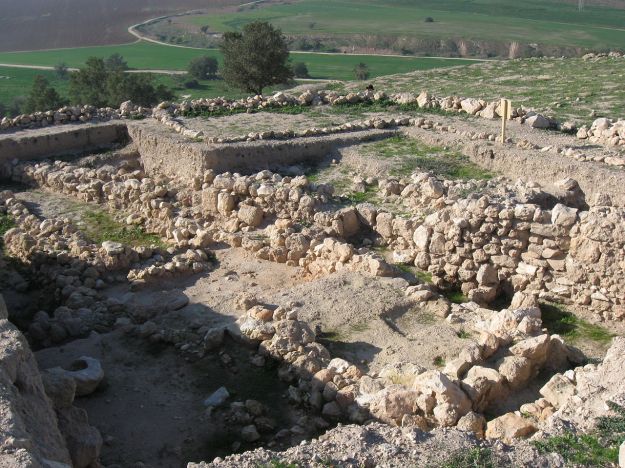
View of the Judean Wilderness, Ein Gedi Nature Reserve shared by Yuvalr under Creative Commons 3.0

Psalm 54

To the leader: with stringed instruments. A Maskil of David, when the Ziphites went and told Saul, “David is in hiding among us.”
1 Save me, O God, by your name, and vindicate me by your might.
2 Hear my prayer, O God; give ear to the words of my mouth.
3 For the insolent[1] have risen against me, the ruthless seek my life; they do not set God before them. Selah
4 But surely, God is my helper; the Lord is the upholder of my life.[2]
5 He will repay my enemies for their evil. In your faithfulness, put an end to them.
6 With a freewill offering I will sacrifice to you; I will give thanks to your name, O LORD, for it is good.
7 For he has delivered me from every trouble, and my eye has looked in triumph[3] on my enemies.

This Psalm is a cry for help for deliverance from one’s enemies. This is the first of a series of prayers (Psalm 54-63) which are petitions for help from God and with the exception of Psalm 60 they are all individual prayers for God’s action on the psalmist’s behalf to deliver them from their oppressors. All of these prayers remain confident that God will help for the righteous one and God will repay the insolent ones with evil for their evil. The prevalence of these petitions for God’s action to deliver the righteous from the persecution of the wicked in the Psalter point to the formation of a practice of prayer which relies on God in the midst of crisis and the formation of a persistent hope which relies upon God’s promised justice in the experience of injustice.

The superscription of the Psalm places it shortly after the events in the superscription of Psalm 52 in 1 Samuel. Psalm 52 refers to the action of Doeg in 1 Samuel 21-22, while Psalm 54 refers to David’s time in the wilderness of Ziph in 1 Samuel 23: 15-28. The wilderness of Ziph is located within Judah, and the betrayal by some of the Ziphites revealing David’s presence in their region which brings King Saul into pursuit of David. Saul comes close to capturing David before the Philistines raid Israel and Saul has to act against an incursion by this external opponent. If the Psalm is read in the context of the superscription, then the enemy of David’s enemy becomes the means by which God delivers from trouble and the Philistine becomes the tool of God’s deliverance for the righteous from their own king.

The Psalm, although it never utters the name of the God of Israel, asks for God’s vindication by God’s name and might. To appeal to God’s name is to appeal to God’s reputation and character. The psalmist calls upon God to act like the God who hears the prayers of the righteous and listens to the words of they speak to God. The actions of the ‘insolent’ or ‘estranged’ one who is persecuting the righteous one and is seeking their life demand a God of justice to act (in the psalmist’s view) or the reputation of God is in danger.

The speaker remains confident is God’s identity as both a helper of the oppressed ones and the upholder of the life of the righteous. The enemy of the speaker of the psalm may indeed desire to end the life of the righteous one, but the psalmist trusts that if God stands with them then the oppressor is ultimately powerless. The poem, in Beth Tanner’s words, “states the flip-side of the golden rule. The one praying wishes that all of the harm the enemies have caused will be visited back on them.” (Nancy deClaisse-Walford 2014, 471) In return for God’s action on behalf of the oppressed the petitioner states they will offer a sacrifice and bear witness to the truthfulness of God’s character as expressed by the name of God. Perhaps, to the skeptical reader, this may look like an attempt to bribe or barter with God so that God will answer their prayers. A more charitable reading can see this response as an act of gratitude to God’s deliverance.

Another objection sometimes noted to Psalm 54 is the triumphal note of looking upon one’s enemies at the end. The Psalms are songs and prayers that deal with the experience of the life of the ones attempting to live righteously in an unjust world. Sometimes these prayers may seem unorthodox to Christians who have been taught that the life of faith is a docile and polite one or who view God as distant or unengaged. The Psalms engage in the difficult struggle of faith in a world of violence, cruelty, betrayal, and oppression and yet the judge and actor to restore justice is God. As Martin Luther King, Jr. would articulate at a speech given at the National Cathedral on March 31, 1968, “We shall overcome because the moral arc of the universe is long but it bends towards justice.” For both Dr. King and the psalmist, the one who bends that moral arc toward justice is God. For the faithful ones, those who attempt to bend the arc towards injustice will be repaid for the injustice they commit, and they will be seen by the righteous ones who continue to endure while the unrighteous fall.

[1] The Hebrew zarim can mean estranged or strangers or insolent. If the poem is read in the context of the superscription, and the oppressing one is King Saul, the word may be better translated ‘estranged’ as Beth Tanner suggests. (Nancy deClaisse-Walford 2014, 471)

[2] The Hebrew nephesh here is often translated ‘soul’ but the Hebrew idea of ‘soul’ is not the same as the Greek idea of ‘soul’. In Hebrew this refers to the essence of life, not something that is detachable from it.

[3] ‘In triumph’ is not in the Hebrew, the Hebrew is literally my eye has looked upon my enemy.’ Nevertheless, the connotation in the poem is looking at one’s enemies from the position of having endured and standing triumphant. Most English translations that insert ‘in triumph’ capture this aspect of the poem.

Psalm 53 Reflecting Again on the Unjust

Herny Ossawa Tanner, Sodom and Gomorrah (1920)

Psalm 53

To the leader: according to Mahalath. A Maskil of David.
1 Fools say in their hearts, “There is no God.” They are corrupt, they commit abominable acts; there is no one who does good.
2 God looks down from heaven on humankind to see if there are any who are wise, who seek after God.
3 They have all fallen away, they are all alike perverse; there is no one who does good, no, not one.
4 Have they no knowledge[1], those evildoers, who eat up my people as they eat bread, and do not call upon God?
5 There they shall be in great terror, in terror such as has not been. For God will scatter the bones of the ungodly; they will be put to shame, for God has rejected them.
6 O that deliverance for Israel would come from Zion! When God restores the fortunes of his people, Jacob will rejoice; Israel will be glad.

When I was putting together my first collection of poems to publish, Creative Words, I almost included the same poem twice. It made it through several edits by me and two editors who looked at the work. In one of my final times working through edits I discovered the duplication. I share this story because Psalm 53 is a close twin of Psalm 14, which may seem incredible when one considers that these ancient texts had to be hand copied, but in a large collection it is easy to forget what one has previously included in the collection. There are some differences, Psalm 53 indicates that it is ‘according to the Mahalath’ which probably indicates the tune or melody for the Psalm and this Psalm, unlike its twin, uses the generic ‘Elohim’ (God) throughout instead of the name of God (often indicated as LORD in English translations). Even though the poem mainly follows its twin there are some additional subtle changes that make it worth treating independently and its placement within this portion of the Psalter helps give some additional insights into reading the Psalm.

In the worldview of the ancient Middle East there is no concept of a world without God or gods but here we encounter one who functions as a practical atheist. In Hebrew, the heart is the seat of will and decision making, and so the one who says in their heart ‘There is no God’ chooses to live in a way that assumes that God or gods will not intervene in their life. The fool here is not unintelligent but instead acts in a way that does damage to the community. The lack of wisdom here is acting in a way that neglects the commitments to the community as described in the law, and instead choosing a way of life that views people as a consumable commodity that can be consumed as easily as bread. These foolish and perverse ones may be within the people of God, or they may be from other nations who are imposing their practices upon the chosen people, but the damage done by this godless lifestyle calls out for judgment.

This foolish humanity which the Psalmist finds themselves surrounded by creates an inhospitable world. The image of God looking down from heaven seeking the wise ones who live according to justice and finding only fallen, perverse evildoers who practice this metaphorically cannibalistic injustice echoes the story of the LORD’s journey to Sodom and Gomorrah. The LORD encounters hospitality from Abraham but goes to investigate the outcry of inhospitality and injustice from these towns which become synonymous with the judgment of God upon these unethical fools. The story of Sodom (Genesis 18: 16-19:29) is frequently misunderstood as being about God’s judgment on homosexuality, but what the story reflects is a society that does not practice hospitality to strangers and sees those strangers, and even residents, as resources to be exploited. The LORD was willing to accede to Abraham’s request not to destroy the city if ten righteous are found within this community, but the divine figures in the story[2] only find Lot who is willing to practice hospitality in this inhospitable place. Many modern people are uncomfortable with these stories of God judging these communities, but the faith of the Psalmist relies upon a God who does judge and does not allow for injustice to continue forever.

The Psalmist trusts that those who live this foolish life will eventually be shamed, rejected, and experience the terror that they have inflicted on others. Unlike the wise who are buried when they die, these foolish ones have their bones scattered and they lie forgotten in the earth. Perhaps the Psalmist envisions a judgment of those who have ‘eaten the people like they eat bread’ like the one associated with Sodom. Regardless of what form the judgement takes, they believe in a God who is an executor of justice and a protector of the community from these godless ones who corrupt the earth. The times of misfortune for the wise ones who live according to the covenant are temporary. The righteous can commit the judgment of the foolish injustice which dominates their world to their God who will bring about deliverance.

[1] The knowledge here is probably closer to the French word connaître, which refers to the knowing of a person rather than the knowing of a fact. As Beth Tanner notes the word is an active verb and the activity of ‘not knowing’ is active rather than passive. (Nancy deClaisse-Walford 2014, 465) This would be more active than the NRSV’s ‘Have they no knowledge.’ These evildoers actively choose not to enter into the relational knowing of God.

[2] The actors change between men at the beginning of Genesis 18, to the LORD who speaks to Abraham and finally to angels who arrive in Sodom.

Psalm 52 The Wicked Will Not Prosper Forever

Ancient Olive Tree in Pelion, Greece

Psalm 52

To the leader. A Maskil of David, when Doeg the Edomite came to Saul and said to him, “David has come to the house of Ahimelech.”
1 Why do you boast, O mighty one,[1] of mischief done against the godly? All day long
2 you are plotting destruction. Your tongue is like a sharp razor, you worker of treachery.
3 You love evil more than good, and lying more than speaking the truth. Selah
4 You love all words that devour, O deceitful tongue.
5 But God will break you down forever; he will snatch and tear you from your tent; he will uproot you from the land of the living. Selah
6 The righteous will see, and fear, and will laugh at the evildoer, saying,
7 “See the one who would not take refuge in God, but trusted in abundant riches, and sought refuge in wealth!”
8 But I am like a green olive tree in the house of God. I trust in the steadfast love of God forever and ever.
9 I will thank you forever, because of what you have done. In the presence of the faithful I will proclaim your name, for it is good.
 
The basic question of the injustice that is present in the world when the boastful, deceptive, and wicked prosper while the righteous are persecuted informs the narrative of Psalm 52. This short poem or song which contrasts the wicked ‘mighty one’ and the righteous compares two opposing views of life and the poem pivots on God’s judgment of the mighty one in verse five. Although the superscription of this Psalm refers to a specific incident in the life of David, the big shot boaster who the first four verses describe can be found in any context. The way of the wicked may often appear to provide security in the moment, but the way of righteousness sinks deep roots of trust into the steadfast love of God.

The superscription of Psalm 52 places the words in the context of David’s flight from King Saul and the punishment of Ahimelech and the rest of the priests of the LORD. David, now fully convinced of Saul’s murderous intentions towards him, is fleeing Israel and arrives at Nob, a short journey away, where the tabernacle is. David seeks both food and a weapon from the priest Ahimelech, who is unaware of Saul’s intentions toward David, and after receiving these departs. Doeg the Edomite, the chief of Saul’s shepherds,[2] was also at the tabernacle and reports on these actions to Saul. Saul then gathers Ahimelech and the priests, accuses them of treachery, and then orders his guards to kill the priests. When the guards refuse this order from King Saul, Doeg the Edomite carries it out killing eighty-five priests and then putting the city of Nob, the city of priests, to the sword.

The psalm makes sense within the context of the narrative of 1 Samuel 21-22, as David can see the damage a violent and deceptive one has done to the righteous ones. Doeg could be viewed as one who does violence against the righteous, who plots destruction, whose words are sharp and who loves evil more than good. Doeg’s words and his sword have caused many deaths for those who offered David kindness and served the LORD as priests. In this moment, the suspicion of Saul and the deceptive words of Doeg are creating a world of injustice and violence.

Reading the Psalm in a more universal context, we can find many contemporary examples that fit the description of this ‘mighty one’ who ironically becomes the villain in this story. This ‘big man’ is one prospers at the expense of those attempting to live according to God’s will. They are schemers whose actions undercut the security of others and whose words are weapons that often cut deeper than a blade might. I’ve often parodied the old saying about ‘sticks and stones’ changing it to: ‘Sticks and stones may break my bones, but words will send me to therapy.’ When a person desires economic gain or power above the good of the community, deceitful words are often used and may do more damage to the life of the community than any action could. These devouring words once unleashed can seem to take up a life of their own, and the deceitful tongue that bears the sharp lie may produce great evil as it cuts into the trust which is the lifeblood of the communal life. As Beth Tanner can state:

We all know the damage of words. In a media-saturated world, lying words still cut like a razor. Indeed, we are surrounded by a culture that encourages us to be out only for ourselves and believes that our only protection is the wealth and possessions we amass behind gates that lock out the rest of the world. Words of advertisers and terrorists reduce our lives and diminish our delight. Abusive words by one we love and trust can do as much damage as a fist of knife. We know just as these ancient ones do that this way leads only to alienation and death. Any sane person would not choose this way to live, but instead grow slowly and surely as a great tree that flourishes in the house of God. (Nancy deClaisse-Walford 2014, 462-463)

Yet, in our media saturated culture which amplifies the boast of the mighty one and seems to thrive on the blood spilt by razor sharp words there are a plethora of instances where words demonized a group, split a community, and often destroy lives. Yet, the Psalmist states that this way will not stand, that God will not allow the mighty one who speaks evil and plots destruction to escape destruction forever. God will be the one who intervenes and balances the scales by removing the mighty one’s house from the people, who breaks down their defenses and walls, and who uproots them from the ground where the righteous remain planted.

Once God has acted to restore justice by uprooting the wicked, the psalm turns to the response of the righteous ones. Psalm 52 carries similar themes and imagery to Psalm 1 and in both psalms “the way of the wicked will perish.” (1:6) Yet, Psalm 52, instead of ending on the theme of the wicked perishing, now turns to the reaction of the righteous. The righteous see, and fear, and laugh. The righteous ones see and understand that the actions that uprooted the unrighteous one come from God. Fear in this context is the proper response to God, it is the beginning of wisdom (Psalm 110:11, Proverbs 1:7) and fear of God is understood throughout the Hebrew Scriptures mainly as reverence and awe. But the reaction to the ‘mighty one’ who has now fallen is laughter. The mighty one who trusted in the power and wealth gained through their deceitful ways and lying words has now become the fool who illustrates that wickedness and foolishness are ultimately the same thing. The way of the foolish may prove successful in the short term but in a world where God’s justice eventually levels the scales they find themselves uprooted while the wise/righteous endure like a green olive tree in the house of God. The wise know that the violence and deception of those who aggregate wealth and power will not endure, instead it is the steadfast love (hesed) of God which proves trustworthy and enduring. The injustices of this world and those who profit from them are real but they are not permanent.

[1] The Hebrew gibborim typically denotes a mighty warrior or hero. Here the context makes clear the ‘mighty one’ may be a big shot at the moment but is not in the Psalmist’s view heroic.

[2] Shepherds in the scriptures may be literally those who watch sheep, but the term is often used metaphorically to refer to a leader.

Psalm 51 Seeking the Possibility of Redemption

Palma Giovane, Prophet Nathan ermahnt Konig David (1622)

Psalm 51

<To the leader. A Psalm of David, when the prophet Nathan came to him, after he had gone in to Bathsheba.>
1 Have mercy on me, O God, according to your steadfast love; according to your abundant mercy blot out my transgressions.
2 Wash me thoroughly from my iniquity, and cleanse me from my sin.
3 For I know my transgressions, and my sin is ever before me.
4 Against you, you alone, have I sinned, and done what is evil in your sight, so that you are justified in your sentence and blameless when you pass judgment.
5 Indeed, I was born guilty, a sinner when my mother conceived me.
6 You desire truth in the inward being; therefore teach me wisdom in my secret heart.
7 Purge me with hyssop, and I shall be clean; wash me, and I shall be whiter than snow.
8 Let me hear joy and gladness; let the bones that you have crushed rejoice.
9 Hide your face from my sins, and blot out all my iniquities.
10 Create in me a clean heart, O God, and put a new and right spirit within me.
11 Do not cast me away from your presence, and do not take your holy spirit from me.
12 Restore to me the joy of your salvation, and sustain in me a willing spirit.
13 Then I will teach transgressors your ways, and sinners will return to you.
14 Deliver me from bloodshed, O God, O God of my salvation, and my tongue will sing aloud of your deliverance.
15 O Lord, open my lips, and my mouth will declare your praise.
16 For you have no delight in sacrifice; if I were to give a burnt offering, you would not be pleased.
17 The sacrifice acceptable to God is a broken spirit; a broken and contrite heart, O God, you will not despise.
18 Do good to Zion in your good pleasure; rebuild the walls of Jerusalem,
19 then you will delight in right sacrifices, in burnt offerings and whole burnt offerings; then bulls will be offered on your altar.

The relationship between the speaker and God has been broken because of the psalmist’s own actions and there is no future without God’s forgiveness. The superscription gives us one possible moment to read the psalm from: the moment when David is confronted by the prophet Nathan about his adultery with Bathsheba and the arrangement of the murder of her husband, Uriah. (2 Samuel 11-12) This moment of betrayal of both David’s responsibilities to his people and the favor that God has bestowed upon him changes everything: trust has been broken, the innocent bore the cost of David’s actions and in the words of this psalm David’s iniquity, sin and transgressions have broken the relationship with God. Yet, this psalm could apply to any experience of guilt and shame where one’s actions have failed match one’s called identity as a person of faith. When a person who sought God’s heart stumbles, when a righteous one commits iniquity, when the one who once was clean is now polluted by sin and when one’s transgressions place a wall between the transgressor and God these words allow the penitent one to seek the possibility of forgiveness and reconciliation with God and a return to their former state of grace.

The hope of the penitent lies in the character of God outlines in verse one: God is a God of steadfast love and abundant mercy. There characteristics of God’s character are matched against the trilogy of terms for acts against God: iniquity, sin and transgression. The sinner in the psalm stands permanently marked by their sin and in need of cleansing. They have become defined by their actions and their guilt shows them how their actions have not matched the calling they bore before the people. The guilty one was a righteous one whose entire life was lived in the presence of God and now their actions which may have once been concealed from others were seen by God and they confess that God is justified in God’s judgment of them. Others may have been injured by the psalmist’s actions (and the in the narrative of David and Bathsheba a family was broken, a man was killed, and David failed to be the king he was supposed to be) but here the brokenness is between the psalmist and God and the hope rests in God’s cleansing and restoration.

The guilt of the actions has transformed the person at their deepest level. Everything of who they are is now tainted by a part of themselves they wouldn’t have believed before. They question everything about their story from their conception to the present. They have been transformed into a sinner, one who is separated from God and others and is defined by their transgressions. The psalmist probably doesn’t see their actions as a result of “original sin” passed on from generation to generation but instead views their entire life under the judgment and pollution of their iniquity. They know they need to be purged, cleansed and washed by God in order to remove the stain that their sin causes them to bear. They know that they need to learn truth after their lies, wisdom after the folly of their innermost heart, a holy spirit to replace their sinful one. They need to be recreated as a new being in order to have a future beyond their brokenness. Yet the God of mercy and steadfast love could forgive the people of Israel when they worshipped a golden calf (Exodus 32-34) and while cleansing oneself and receiving a new heart, spirit and future are impossible for the psalmist on their own, they are the type of action that a merciful and forgiving God does. The psalmist hopes for a return to their life in God’s presence where God no longer looks upon their sins but upon the redeemed sinner.

From their place of shame, the psalmist attempts to barter with God. I know when I was growing up that I was taught not to barter with God but the more of the scriptures I read the more I see places like this psalm where a person attempts to barter with God, and I’ve had to rethink this. For the speaker, they will teach, sing, declare and offer right sacrifice If God will restore the relationship. The psalmist doesn’t have much to offer beyond their acknowledgment of their sin which broke the relationship and their promise to live better in the future but the offering a broken spirit, broken and contrite heart. They are hoping through an exchange with God of receiving a new spirit and heart in return for their broken spirit and heart. God becomes for the poet the surgeon who can place in them a new heart and renew a right spirit. Perhaps by the penitent’s witness the good that God does for them will also extend to the rest of the people and allow for Zion’s pleasure and strength to be renewed. As we saw in the previous psalm the sacrifices and burnt offerings are not needed by God, but just as a broken heart and spirit were preconditions in the psalm for forgiveness and renewal the new orientation of the speaker places sacrifices and worship as acts of thanksgiving for the God who blots out transgressions, washes away the iniquity and cleanses the sin because of God’s steadfast love and abundant mercy.

Psalm 50 Recalled to the Covenantal Life

The Temple by Radojavor@deviantart.com

Psalm 50

<A Psalm of Asaph.>
1The mighty one, God the LORD, speaks and summons the earth from the rising of the sun to its setting.
2 Out of Zion, the perfection of beauty, God shines forth.
3 Our God comes and does not keep silence, before him is a devouring fire, and a mighty tempest all around him.
4 He calls to the heavens above and to the earth, that he may judge his people:
5 “Gather to me my faithful ones, who made a covenant with me by sacrifice!”
6 The heavens declare his righteousness, for God himself is judge. Selah
7 “Hear, O my people, and I will speak, O Israel, I will testify against you. I am God, your God.
8 Not for your sacrifices do I rebuke you; your burnt offerings are continually before me.
9 I will not accept a bull from your house, or goats from your folds.
10 For every wild animal of the forest is mine, the cattle on a thousand hills.
11 I know all the birds of the air, and all that moves in the field is mine.
12 “If I were hungry, I would not tell you, for the world and all that is in it is mine.
13 Do I eat the flesh of bulls, or drink the blood of goats?
14 Offer to God a sacrifice of thanksgiving, and pay your vows to the Most High.
15 Call on me in the day of trouble; I will deliver you, and you shall glorify me.”
16 But to the wicked God says: “What right have you to recite my statutes, or take my covenant on your lips?
17 For you hate discipline, and you cast my words behind you.
18 You make friends with a thief when you see one, and you keep company with adulterers.
19 “You give your mouth free rein for evil, and your tongue frames deceit.
20 You sit and speak against your kin; you slander your own mother’s child.
21 These things you have done and I have been silent; you thought that I was one just like yourself. But now I rebuke you, and lay the charge before you.
22 “Mark this, then, you who forget God, or I will tear you apart, and there will be no one to deliver.
23 Those who bring thanksgiving as their sacrifice honor me; to those who go the right way I will show the salvation of God.”

There is a lot of debate among scholars as to the original use of this psalm: whether it was a liturgy of covenant renewal or the words of a priest in a sermon but ultimately the original setting has faded far into the background and what remains is a psalm which lifts up a challenge to live one’s life according to the vision of God’s covenant. The book of Deuteronomy was a challenge for the people of God to live according to the covenant and commands of the God of Israel and the prophets frequently exhorted people to reorient their lives around the covenant. This Psalm, in concert with several of the prophets, places the worship of the LORD conducted in the temple in its proper perspective. The sacrificial and religious actions of the temple are not enough to appease the God of Israel, this God expects the people’s lives and their society to be ordered around God’s covenantal vision.

The psalm begins by preparing the hearer to listen to the words that God will speak through the speaker, most likely a priest addressing the community. Psalm 50 is the first psalm attributed to Asaph who is recorded as a Levitical singer in the time of King Solomon (2 Chronicles 11-13).  Asaph begins by declaring the power and might of the LORD whose voice covers the breadth of the day, whose words are preceded by fire and a mighty tempest and calls on heaven and earth so that God may judge God’s people. While there are some thematic parallels to the speaking of God to Elijah at Mount Horeb where the great wind, earthquake and fire proceed the voice of God; this is not the voice of God which comes to Elijah in the sheer silence (1 Kings 19: 11-18) but instead this is the voice of God going out before the world to testify before not only God’s people but all of creation. The people of God are placed into a conversation which the whole world can overhear and judge them by as they are gathered in Zion to hear what God will speak.

Covenant making in the bible is a serious business which took place in the context of sacrificing an animal. The covenant that God makes with Abram (Abraham) in Genesis 17 is probably the best-known example of a covenant making ceremony where the animals are cut open and the parties (God and Abram) pass between the portions of the animals obligating themselves to one another. Therefore, the phrase translated ‘made a covenant’ is literally ‘cut a covenant.’ Earlier in the psalms we have seen times where the psalmist has testified that God needs to act to keep the covenant but here the focus is on the people needing to do their part to fulfill the covenant. The covenant is not about ritual worship or sacrifices but instead is about the way of life that God expects the people to embrace- a way of justice to others and faithfulness to God.

These words were probably spoken in the context of worship, but worship is not enough. In many ancient cultures worship and sacrifice were to appease or entice the god being worshipped to grant favor to the worshippers. The God of Israel has different expectations. God will not be bribed by sacrifice or be satisfied by attendance in worship. The words of the Apostle Paul echo the content here when he appeals to the church in Rome:

I appeal to you therefore, brothers and sisters, by the mercies of God, to present your bodies as a living sacrifice, holy and acceptable to God, which is your spiritual worship. Do not be conformed to this world, but be transformed by the renewing of your minds, so that you may discern what is the will of God—what is good and acceptable and perfect. Romans 12: 1-2

As master of all creation, the LORD has no need of any animal for food. God is not reliant upon the faithful ones for nourishment or life but instead is the provider of all things. What God desires is a transformed life and society which could ultimately renew the world. The people are commended to come to God in thanksgiving and to uphold their vows and the covenant and in return God will deliver and provide for them.

Knowing the right words to recite or knowing the content of the statutes, commandments and the covenant are not enough. One can worship properly and live as the wicked. The way of the wise is the way of God’s discipline. One’s company is indicative of the type of actions a person will commit and one’s words can cause deep harm to brothers and sisters. One’s words, one’s deeds and one’s associations matter in life. The wicked one may have avoided judgment and may have, by their worship and sacrifices, masqueraded as one of the righteous but God promises an end to God’s silence and inaction. To make a covenant with God and to fail to live in accordance with that covenant is viewed as a matter of life and death. There is no one to deliver the wicked from God’s words and justice. Conversely there is nothing that can separate the righteous ones from the salvation of God.


Psalm 49 Wealth, Wisdom and Death

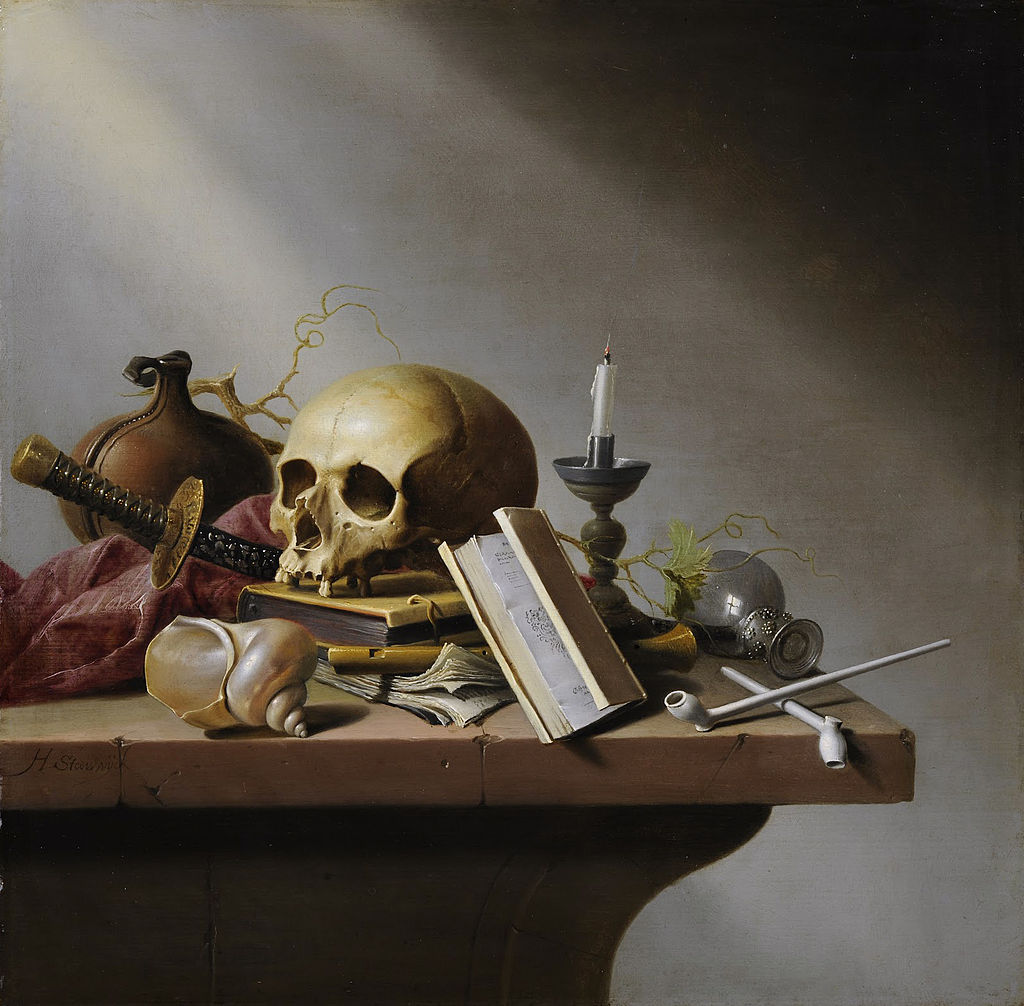
Harmen Steenwijck, Vanitas (1640)

Psalm 49

<To the leader. Of the Korahites. A Psalm.>
1 Hear this, all you peoples; give ear, all inhabitants of the world,
2 both low and high, rich and poor together.
3 My mouth shall speak wisdom; the meditation of my heart shall be understanding.
4 I will incline my ear to a proverb; I will solve my riddle to the music of the harp.
5 Why should I fear in times of trouble, when the iniquity of my persecutors surrounds me,
6 those who trust in their wealth and boast of the abundance of their riches?
7 Truly, no ransom avails for one’s life, there is no price one can give to God for it.
8 For the ransom of life is costly, and can never suffice
9 that one should live on forever and never see the grave.
10 When we look at the wise, they die; fool and dolt perish together and leave their wealth to others.
11 Their graves are their homes forever, their dwelling places to all generations, though they named lands their own.
12 Mortals cannot abide in their pomp; they are like the animals that perish.
13 Such is the fate of the foolhardy, the end of those who are pleased with their lot. Selah
14 Like sheep they are appointed for Sheol; Death shall be their shepherd; straight to the grave they descend, and their form shall waste away; Sheol shall be their home.
15 But God will ransom my soul from the power of Sheol, for he will receive me. Selah
16 Do not be afraid when some become rich, when the wealth of their houses increases.
17 For when they die they will carry nothing away; their wealth will not go down after them.
18 Though in their lifetime they count themselves happy — for you are praised when you do well for yourself —
19 they will go to the company of their ancestors, who will never again see the light.
20 Mortals cannot abide in their pomp; they are like the animals that perish.

Psalm 49 takes on the tone of wisdom literature like the book of Proverbs or Ecclesiastes and engages the topic of wealth in relation to death. The poet believes there is a moral order to the universe that the righteous and unrighteous, the rich and the poor, the wise and the foolish live within. The simple belief that those who do good will prosper and those who are evil will see their ambitions thwarted may not be observed in the daily experience of the psalmist, but death becomes the ransom that no amount of wealth can cover. We are taken into the riddle of: Why should one fear in times of trouble when powerful and presumably wealthy persecutors oppress the righteous one? For the author of the psalm there is comfort in the knowledge that the rich cannot buy their way out of Sheol and that the moral order of God’s universe remains intact.

Humans fear death and we spend an incredible amount of our wealth in the United States attempting to avoid succumbing to death. Even though Christians believe in the resurrection of the dead, many still approach their death with apprehension. To quote a Kenny Chesney song, “Everybody wants to go to heaven…But nobody wanna go now.” But even with all the advances in medical technology and the amount of money that is spent to prolong life being wealthy cannot grant immortality. The idea of being able to secure one’s life through wealth has been explored in futuristic dystopian imaginations, like the 2011 movie In Time, where the poor have their life shortened and the rich have their life extended at the expense of the poor or Jupiter Ascending (2015) where entire worlds are populated so that they can be harvested to provide extended life for the galaxy’s wealthiest clients. In many ways the moral imagination of these dystopian worlds models the economic imagination of Egypt in the Exodus and any society that viewed people as a commodity and wealth as a privilege of a small elite. If wealth were able to ensure immortality fear would drive many to acquire this ransom from death at any cost but thankfully, as I wrote when discussing Ecclesiastes 2, “mortality is the great equalizer in all its unfairness.” Yet, for the psalmist’s moral universe mortality is the great equalizer for, as they are considering it, death is the shepherd which God uses to ensure that those who are materially wealthy and politically powerful do not forever hold power over the righteous ones.

Within the worldview of the psalms the conception of heaven or hell as places that people go in the afterlife has not developed and as we saw in Psalm 6 the conception of Sheol as a place where the dead go is not a place of reward or punishment but simply a place outside of the realm of the living. When the author speaks of God ransoming their soul from Sheol it is trusting that God will not let them die at this point while their persecutors prosper, but instead that the moral order of God’s promises will ensure that their life endures but the life of the wealthy persecutors will reach its end without God’s intervention on their behalf. The God of Israel is a God who intervenes in the life of the faithful to ensure that they are not destroyed, and that God’s promises bear fruit in their lives.

This final Korahite psalm of Book II (Psalms 42-49) is an example of a reflection on situational wisdom. The psalms are more poetry than systematic theology and combine emotion with logic and faith to attempt to discern an answer to the world as the authors of these songs encounter them. Looking at the world from the perspective of one undergoing persecution by a wealthy and powerful oppressor, the psalmist can see death as God’s equalizer. Illness, weakness and impending death in psalms of lament are all brought before God as things that are being unfairly born by the righteous one. But the wisdom of the book of psalms is bringing all these pieces of situational wisdom, cries of lament, praises of joy, love songs and meditations together into a collection of psalms which address the breadth of human emotion and experience.

Psalm 48 God and Zion

Panorama of the Temple Mount from the Mount of Olives by Bienchido shared under Creative Commons 4.0

 Psalm 48

<A Song. A Psalm of the Korahites.>
1 Great is the LORD and greatly to be praised in the city of our God. His holy mountain,
2 beautiful in elevation, is the joy of all the earth, Mount Zion, in the far north, the city of the great King.
3 Within its citadels God has shown himself a sure defense.
4 Then the kings assembled, they came on together.
5 As soon as they saw it, they were astounded; they were in panic, they took to flight;
6 trembling took hold of them there, pains as of a woman in labor,
7 as when an east wind shatters the ships of Tarshish.
8 As we have heard, so have we seen in the city of the LORD of hosts, in the city of our God, which God establishes forever. Selah
9 We ponder your steadfast love, O God, in the midst of your temple.
10 Your name, O God, like your praise, reaches to the ends of the earth. Your right hand is filled with victory.
11 Let Mount Zion be glad, let the towns of Judah rejoice because of your judgments.
12 Walk about Zion, go all around it, count its towers,
13 consider well its ramparts; go through its citadels, that you may tell the next generation
14 that this is God, our God forever and ever. He will be our guide forever.

In the previous two psalms we have celebrated God as our refuge (Psalm 46) and God as King (Psalm 47) and now we see God’s Kingship occupying a specific place of refuge: the city of Jerusalem and the temple. The city of Jerusalem and the temple were two central signs of God’s promised protection and presence. Although I can understand the remark of Walter Bruggemann and William H. Bellinger, Jr. that the beginning and ending of the psalm in their symmetry and structure of, “nearly equating the God of the temple with the beauty and symmetry of it.” (Brueggemann, 2014, p. 224) I tend to view the message of the psalm in a more positive light appreciating the presence of God in a holy space. There is always a danger of identifying a structure or item designated for God’s worship and glory becoming an idol in the mind of the worshipper. Yet, we do seek places where God’s presence can be felt amid a world where God’s presence may be harder to identify and God’s refuge in a world that can feel fraught with dangers. The city, the mountain and the temple should all be spaces where the LORD is praised. At its best the beauty and security of the temple and city create a little piece of heaven on earth where God’s presence seems closer. Religious buildings, from the humblest to the most elaborate, attempt to create a safe and holy place for God’s people to come together and where God’s presence is felt and communicated.

Jerusalem as city is merely stone, wood, cloth and metal inhabited by the people who dwell in and around it. Yet, in the minds of the faithful it becomes something far greater. As J. Clinton McCann, Jr. can state, “Jerusalem is important because it is God’s place; thus it can serve as a witness to God’s character.” (NIB IV: 821) It becomes a place of hope and aspiration where in the words of the prophet Isaiah:

In the days to come the mountain of the LORD’s house shall be established as the highest of the mountains, and shall be raised above the hills; all the nations shall stream to it. Isaiah 2: 2

Nancy deClaissé-Walford points to how the psalm appropriates the language of the Canaanites that was used to worship Baal. God ss the one who ascends the mountain in the north instead of Baal, Zion replaces Zaphon as the place of sanctuary and the place from which the God of Israel reigns as King over all other gods and nations. (Nancy deClaisse-Walford, 2014, p. 435) Like Psalm 29, the people transformed the language of the surrounding culture to give worship and praise to the LORD of hosts. This serves both a polemical function, the LORD is God and King instead of Baal, but also reflects the process of trying to come up with language that can be used to talk about God and the willingness of the Jewish people to repurpose imagery that seemed appropriate for their LORD.

In contrast to the hope in Isaiah 2 where the nations stream to Zion seeking teaching and wisdom, we see the kings of the earth assembling to assault Jerusalem. Yet, like Psalm 2: 1-6, the conspiring of the kings of the nations only exposes their weakness. It is possible that Psalm 48 references the failed siege of King Sennacherib of Assyria in 701 B.C.E. (2 Kings 18-19) but the psalm may be independent of this experience of liberation in the memory of the Jewish people. The kings who sought to conquer in strength flee in panic and trembling. Kings who are pictured as masculine symbols of conquest are transformed in the psalm to women in childbirth, an image in the ancient world that was the opposite of strength. Although I would disagree with the use of a woman in childbirth as an image of weakness it was a common image in the ancient world because of the intense pain and the high risk of death for women during childbirth in the ancient world. Devastating winds in ancient Israel were east winds. In Exodus 14:21 it was an east wind which drove back the Red Sea and in Jeremiah 18:17 God promise to scatter Israel before their enemy “Like the wind from the east.”

The reality of God as the refuge for the people of Zion moves from being something handed down from previous generations to the experienced reality of the city of Zion. Once they had heard of God’s steadfast love, victory and judgements but now they can rejoice because they have experienced these things. The threat from the other nations has passed and they can walk around an examine both the physical walls and barriers that surround the city but also reflect upon the God who is the true refuge for the faithful people. They will now have their own experience of God’s faithfulness to share with future generations for their God will endure forever and ever.

For those of us who hear the words of this psalm in our own time we may wonder where we go to experience the presence and protection of God? What are times where we experienced God’s power so that we could speak of our own experience of God rather than the experience of our ancestors? What language do we use to talk about God and how has it changed from the language our parents or grandparents used? What places do we consider sacred or holy and why do we consider them to be sacred?

Psalm 47 God Assumes Kingship Over Creation

Stained Glass window at the Melkite Catholic Annunciation Cathedral in Roslindale, MA depicting Christ the King with the regalia of a Byzantine Emperor

Psalm 47

<To the leader. Of the Korahites. A Psalm.>
1 Clap your hands, all you peoples; shout to God with loud songs of joy.
2 For the LORD, the Most High, is awesome, a great king over all the earth.
3 He subdued peoples under us, and nations under our feet.
4 He chose our heritage for us, the pride of Jacob whom he loves. Selah
5 God has gone up with a shout, the LORD with the sound of a trumpet.
6 Sing praises to God, sing praises; sing praises to our King, sing praises.
7 For God is the king of all the earth; sing praises with a psalm.
8 God is king over the nations; God sits on his holy throne.
9 The princes of the peoples gather as the people of the God of Abraham.
For the shields of the earth belong to God; he is highly exalted.

The mood of Psalm 47 is jubilant with its words continually urging the hearer to mark the celebration of the establishment of the kingship of God over all the nations and over all of creation. Structurally the psalm pairs actions of praise with a set of reasons for acclamation in a noisy celebration of triumph. While the idea of God as king may be a strange thought in a world where monarchies seem to be a romantic vestige of a past age it remains an important claim of both Christianity and Judaism in contrast to the claims of worldly power exercised by those with economic, political or military power. This psalm, like the rest of scriptures, does not recognize God only in a religious sphere. As Martin Buber stated:

He (God) is not content to be “God” in the religious sense. He does not want to surrender to a man that which is not “God’s”, the rule over the entire actuality of worldly life: this very rule He lays claim to and enters upon it; for there is nothing which is not God’s. (Brueggeman, 2014, p. 224)

The psalm may reflect a context of the relatively short window during the time of King David and King Solomon when Israel did exercise power over other nations, but it does not require this context. The psalm also would have served as a strong polemical reminder in times when Israel or Judah were small nations caught between the Egyptian, Assyrian and later Babylonian empires. For example, in contrast to the Babylonian celebration of the enthronement of Marduk the Israelites would come together to celebrate the enthronement of the LORD, the God of Israel, the God above any other god. In a time when the people of Israel were not a political or military power, they still held onto a belief that their God is not only powerful but was the God of all nations and all creation and they remained God’s chosen possession from among the nations.

The psalm begins with a command not just for Israel but for all the peoples to clap their hands and shout with songs of joy. The title of the LORD, the Most High, combines the name of God with a title that is often used to address God when people other than the Israelites are addressed. (Nancy deClaisse-Walford, 2014, p. 431) The psalm taps into the expansive hope that God would indeed be recognized as the ruler of all the peoples. The people of Israel were not to place their hopes upon their military prowess but instead to rely upon their God as the divine warrior who would not only protect them but who would allow them to occupy a central place among the nations of the earth. Israel’s identity is tied to the LORD’s election of them as a chosen people and God’s protection. In closing the first stanza of the psalm in verse five we see God personified as shouting as God ascends and either blowing a trumpet (or a shofar) or having a trumpet blown to celebrate this ascension to the place of honor and power.

The second stanza of the psalm with a four-fold command to sing praises. The psalm itself exuberantly models this song of praise to their God and King. The psalm acknowledges God’s place as the king over all creation and over every nation. God now sits enthroned above every other god and king and the worshippers add their voices to the clapping hands, sounding trumpets and shouts. Not only are the people of Israel joining in this praise, but the leaders of the nations also gather to add their voices to the acclamation of God’s reign.

Even though I don’t live in a time and place where kings are the normal manner of governance the idea of the kingdom of God is such a foundational idea for Christianity and that involves God assuming king-ship over the world. We pray in the Lord’s prayer for God’s kingdom to come and yet, we sometimes forget that means acknowledging God not only as one who holds spiritual power but as one who executes worldly leadership as well. Additionally, we may think of this noisy description of clapping, singing, shouting and blowing trumpets as a little too exuberant for the idea of a dignified worship of God. Many people in European and American cultures were raised with an expectation of a restrained expression of emotion in the context of worship but in an imagined future where people from all across the world come to join in the celebration hands clap, shouts go up, trumpets sound and a voice are lifted up singing joyful praises at the realization of God’s reign over all the earth.

Psalm 46 A Mighty Fortress

Wartburg Castle, Eisenach, Germany. Photo by Robert Scarth shared under creative commons 2.0

Psalm 46

<To the leader. Of the Korahites. According to Alamoth. A Song.>
1 God is our refuge and strength, a very present help in trouble.
2 Therefore we will not fear, though the earth should change,
though the mountains shake in the heart of the sea;
3 though its waters roar and foam, though the mountains tremble with its tumult. Selah
4 There is a river whose streams make glad the city of God, the holy habitation of the Most High.
5 God is in the midst of the city; it shall not be moved; God will help it when the morning dawns.
6 The nations are in an uproar, the kingdoms totter; he utters his voice, the earth melts.
7 The LORD of hosts is with us; the God of Jacob is our refuge. Selah
8 Come, behold the works of the LORD; see what desolations he has brought on the earth.
9 He makes wars cease to the end of the earth;
he breaks the bow, and shatters the spear; he burns the shields with fire.
10 “Be still, and know that I am God! I am exalted among the nations, I am exalted in the earth.”
11 The LORD of hosts is with us; the God of Jacob is our refuge. Selah

Sometimes the impact of a psalm is extended by the interpretations it spawns and the stories that have been told around its process of being handed on. Psalm 46 has a unique story within both my denominational heritage and my linguistic heritage. When Martin Luther penned his famous hymn “A Mighty Fortress” he was reflecting on Psalm 46 and so Luther’s paraphrase and commentary from this psalm have echoed among the worship of Lutheran and other protestant congregations for almost five hundred years. There is also a story that, when the King James Version of the Bible was being translated in 1604-11, William Shakespeare was asked to transform the poetic portions of the Old Testament, especially the book of Psalms, from Hebrew and Latin into English. Shakespeare, reportedly, reached this psalm on his 46th birthday and decided to leave his mark on the translation: 46 words from the beginning of the psalm is the work ‘shake’ and 46 words from the end is ‘spear’ in the King James Version. (Nancy deClaisse-Walford, 2014, pp. 425-426) Even apart from the power of the song ‘a Mighty Fortress’ and the story of the psalm’s famous translator, the words of the psalm are incredibly powerful and evocative.

God is metaphorically referred to as the place of refuge and strength. God is the one who shelters the faithful one in both the times of peace and struggle, but here the trouble around is the counterpoint to the refuge and strength of God. Poetically everything in creation seems to be in chaos: the earth, the mountains and the waters all are unstable in contrast to the stability that God provides for the faithful. The presence of God moves the world from the shaking of the mountains and the roaring of the waters to a river and streams that make glad and a city that is not moved. God’s presence in the city creates this transformation for the faithful people.

The city is at peace even as the nations around it are in turmoil. Israel and Judah were always threatened by the military might of other nations. Yet, the faithful people were never intended to rely on their own military might. God would be the warrior that fought on their behalf. Just as the elements of the earth were moved from chaos to peace so are the nations that are in an uproar moved away from conflict. We are introduced to the title LORD of hosts which occurs frequently throughout the Hebrew Scriptures but only occasionally in the book of Psalms. The word translated hosts literally means armies and relates to military undertakings in both the worldly and cosmic realm. God as a warrior has destroyed the weapons of war, the LORD of hosts has eliminated the work of the armies of the nations. If God can cease the quaking of the mountains and the roar of the seas, then God can make wars to cease and eliminate the weaponry of warfare throughout the earth.

Throughout the psalm the poetry has moved from chaos to peace among the elements and warfare to peace among the nations and ends with a command for the faithful also to cease their movement and be still. The faithful community’s refuge and identity comes from their knowledge of God’s presence in their midst. Yet, the praise of God extends beyond the boundary of the community. The LORD of hosts is exalted among the nations that saw the weapons of war turned into fuel for the fire. The God of Jacob is honored by the creation whose seas are quieted and mountains are stilled. The psalmist boldly imagines a God who can be the refuge and strength not only for the chosen people but for the people and elements of the entire earth.

Psalm 45 A Love Song Among the Psalms

 Psalm 45

<To the leader: according to Lilies. Of the Korahites. A Maskil. A love song.>
1 My heart overflows with a goodly theme; I address my verses to the king;
my tongue is like the pen of a ready scribe.
2 You are the most handsome of men; grace is poured upon your lips;
therefore God has blessed you forever.
3 Gird your sword on your thigh, O mighty one,
in your glory and majesty.
4 In your majesty ride on victoriously for the cause of truth and to defend the right;
let your right hand teach you dread deeds.
5 Your arrows are sharp in the heart of the king’s enemies; the peoples fall under you.
6 Your throne, O God, endures forever and ever. Your royal scepter is a scepter of equity;
7 you love righteousness and hate wickedness.
Therefore God, your God, has anointed you with the oil of gladness beyond your companions;
8 your robes are all fragrant with myrrh and aloes and cassia.
From ivory palaces stringed instruments make you glad;
9 daughters of kings are among your ladies of honor;
at your right hand stands the queen in gold of Ophir.
10 Hear, O daughter, consider and incline your ear; forget your people and your father’s house,
11 and the king will desire your beauty. Since he is your lord, bow to him;
12 the people of Tyre will seek your favor with gifts, the richest of the people
13 with all kinds of wealth. The princess is decked in her chamber with gold-woven robes;
14 in many-colored robes she is led to the king; behind her the virgins, her companions, follow.
15 With joy and gladness they are led along as they enter the palace of the king.
16 In the place of ancestors you, O king, shall have sons; you will make them princes in all the earth.
17 I will cause your name to be celebrated in all generations;
therefore the peoples will praise you forever and ever.
 
Psalm forty-five is a love song, probably originally composed for a royal wedding between the King of Israel and their new bride. So, what do we do with an old love song that finds itself amid the psalms? It is a psalm composed for a specific time and a specific occasion and yet the fact that it was preserved means that it was likely used multiple times and that the community that had to preserve their scriptures by hand copying them felt that this psalm was worthy of inclusion and that this love song had something to speak to the people who would read it generations later. There are several ways to read the psalm that I will address at the end but before we place various frames of reference around the psalm itself let’s listen to the words spoken.

This psalm is the only instance in the book of Psalms where we have the author referencing their presence in the psalm itself. (Nancy deClaisse-Walford, 2014, p. 419) The poet speaks of their heart bubbling over with these words they want to share for their king on this occasion. The king and his bride are the recipients of the words of praise spoken by the freely flowing tongue of the psalmist. Although we now have the psalms preserved as written poems they originated as oral performances often within the space of a communal worship or celebration. What would originally be written by the tongue like a pen of a ready scribe would later be recorded by the ready pen to be uttered by the tongue of a later singer.

The description of the king in verses two through eight point to what the vision of an ideal king (and by extension the ideal man) is for the speaker and those who would continue to use this psalm in future weddings. This bridegroom is handsome and eloquent, and their looks and charm are viewed as a bestowal of God’s blessing. They are also depicted as a warrior: girded with a sword for battle, pictured mounted victoriously upon a war steed after a battle, their right hand (their fighting arm) is capable of fearful things, and they shoot sharp arrows (metaphorically) into the hearts of their enemies. They are depicted in a way that parallels the divine warrior imagery of God; it parallels this imagery so closely that one of the possible readings of verse six is that rather than referring to the God of Israel the king, as the divine representative on earth, is referred to as a god. The term translated God is the general term which can be either the God of Israel or a god worshipped by others. The language within the Hebrew tradition is scandalous if taken to literally since the deification of a king would be one of the concepts that the Jewish people would not adopt form the other nations of the Near East. The king could be the ‘son of God’ as in Psalm 2:7 but because of the prohibition of ‘having other gods’ many have understood verse six breaking up the first eight verses with an acclamation to the God of Israel. Ultimately, we will never know the original intent of the poet, they may be attempting to compliment the king in a way we would compliment someone today by saying, “you look divine” or “you are a goddess.” There is also a sensual nature to the description of the king that mirrors the sexual language of the Song of Songs as the robes are perfumed with alluring fragrances. The king is pictured as strong, desirable, handsome and charming but they are also pictured as being wise and just. The bridegroom is described as one who, in the poet’ language, is everything a king, man, warrior, and partner should be.

In verse 9-15 the focus turns to the bride and her bridal party which includes either daughters of kings, other royalty, or daughters of the king, the family of the king she is about to marry, and the queen, presumably the queen mother, dressed in gold in addition to the virgin companions who go with her. Far less attention is paid to the description of the bride and more time is spent giving her advice as she approaches. She is told to forget her people and family since she is now being joined to the family of the king, she is leaving behind one identity for another. She is also, presumably, leaving behind the gods that her people and family would have worshipped since her people are now the king’s people and her gods have been exchanged for the God of the king. The bride is also described as beautiful and desirable and her many-colored robes have gold woven into them. She has been dressed in the finest clothing for this occasion and she is entering a place where other royalty will present her with gifts to attempt to win her favor and by extension the favor of her groom.

The psalm ends with a blessing for the future. The king and the new queen will have children and those children will increase the influence of the kingdom throughout the earth. The psalmist gives their own gift, the gift of the name of the king being celebrated throughout generations. The irony is that within the psalm the king is never named and so the praise of the king and his new bride endured but the king’s name was forgotten. Yet, if the king were named the psalm may have never been passed on through the succeeding generations.

My initial reaction to reading Psalm forty-five was to wonder if I had ever read it before. I have read through the bible several times, but this psalm must have passed through my consciousness in previous times and not made an impression. It would be easy to dismiss the psalm as a remnant of a long-passed time and to place it among the stories of childhood, a story of a fairy tale wedding. It does reflect a world where society was structured more strictly along gender lines and a woman’s body and freedom relied upon her husband and while we never learn the feelings of the bride the psalmist wants us to assume that she too finds the king she approaches as desirable. I approach each of these reflections from the belief that there is something that, because they have been collected and placed within the scriptures, that we can learn from them.

So, what do we do with an old love song? Here are a couple possibilities: as early as the Aramaic Targum (a translation with additional comments on the Hebrew Scriptures into Aramaic once that became the spoken language in the Persian empire after 515 BCE) reads this as a psalm referring to the messiah. The psalm became a part of the texts that pointed to the hope of what the promised messiah. In the New Testament the book of Hebrews picks up this line of interpretation when it uses Psalm 45: 6-7 as a part of the litany of quoted psalms that attempt to point to who Christ is (Hebrews 1: 8-9). Christians have also used this language to metaphorically be addressed to the church as the bride of Christ. As Nancy DeClassé-Walford can state:

The Hebrew Bible certainly provides many analogies of the relationship between God and the Israelites as that of husband and wife (see Hosea 1-3; Jeremiah 2; Ezekiel 16 and 23; and Isa. 62: 1-5). The Christian Scriptures continue the analogy (see Matt. 9:15; John 3: 29; Eph. 5:22-33; Rev. 19: 7-9). (Nancy deClaisse-Walford, 2014, pp. 416-417)

Both the ‘messianic’ and ‘bride of Christ’ require a non-literal reading of the psalm and while they have been the traditional way the church has read the psalm, I also think that the words themselves being placed in the psalter can speak on their own. This psalm and the Song of Songs also can reflect the joy of sexuality that has often been suppressed in churches. There is a reason that even in our age we dream of royal weddings, of dashing kings and beautiful queens. There is a reason that God allowed there to be a love song in the center of the bible and a love song amidst the psalms, we were created for relationships and for love. One of the gifts of the psalms, and I am discovering in the rest of the bible as well, is the way they speak not only to the rational part of us but to the emotional part of our minds as well. We are people who dream of love and the scriptures remind us love, both emotional and physical, is a part of the lives of the faithful ones.