Category Archives: Biblical Reflections

Jeremiah 35: The Example of the Rechabites

The Prophet Jeremiah by Michelangelo

The Prophet Jeremiah by Michelangelo

Jeremiah 35: 1-11: If You Offer a Rechabite a Drink

 The word that came to Jeremiah from the LORD in the days of King Jehoiakim son of Josiah of Judah: 2 Go to the house of the Rechabites, and speak with them, and bring them to the house of the LORD, into one of the chambers; then offer them wine to drink. 3 So I took Jaazaniah son of Jeremiah son of Habazziniah, and his brothers, and all his sons, and the whole house of the Rechabites. 4 I brought them to the house of the LORD into the chamber of the sons of Hanan son of Igdaliah, the man of God, which was near the chamber of the officials, above the chamber of Maaseiah son of Shallum, keeper of the threshold. 5 Then I set before the Rechabites pitchers full of wine, and cups; and I said to them, “Have some wine.” 6 But they answered, “We will drink no wine, for our ancestor Jonadab son of Rechab commanded us, ‘You shall never drink wine, neither you nor your children; 7 nor shall you ever build a house, or sow seed; nor shall you plant a vineyard, or even own one; but you shall live in tents all your days, that you may live many days in the land where you reside.’ 8 We have obeyed the charge of our ancestor Jonadab son of Rechab in all that he commanded us, to drink no wine all our days, ourselves, our wives, our sons, or our daughters, 9 and not to build houses to live in. We have no vineyard or field or seed; 10 but we have lived in tents, and have obeyed and done all that our ancestor Jonadab commanded us. 11 But when King Nebuchadrezzar of Babylon came up against the land, we said, ‘Come, and let us go to Jerusalem for fear of the army of the Chaldeans and the army of the Arameans.’ That is why we are living in Jerusalem.”


Knowing who one is and the story one is living out of is crucial to identity. The Rechabites, a part of the people known as Kenites who come into the promised land as allies of the tribes of Israel when they settled the land. The majority of the Kenites settled into life in cities and homes, but the descendants of Jonadab son of Rechab maintain a nomadic lifestyle consisting in a way of life very different than most of their kin and the surrounding nation of Israel. The Rechabite response to Jeremiah when offered wine demonstrates their way of life:

You shall never drink wine

You shall never build a house

You shall not sow seed, plant a vineyard or own one

Their actions living into this identity constitute who they are. They as a community remain faithful to this way of life which differentiates them from their surrounding kin and neighbors. They remain fixed to a lifestyle articulated by their ancestor and their actions in faithfulness to these commands mark them off as being Rechabite in contrast to the surrounding world. Many groups use specific actions and markers to act as boundaries of identity, and the Rechabites who are only in the city because of the invading Chaldean army demonstrate a contrast between themselves who have held fast to these markers of identity through the promises and command of their ancestor and Israel who has not held fast to their identity in the covenant with the Lord.


Jeremiah 31: 12-19:The Rechabites as an Object Lesson

 12 Then the word of the LORD came to Jeremiah: 13 Thus says the LORD of hosts, the God of Israel: Go and say to the people of Judah and the inhabitants of Jerusalem, Can you not learn a lesson and obey my words? says the LORD. 14 The command has been carried out that Jonadab son of Rechab gave to his descendants to drink no wine; and they drink none to this day, for they have obeyed their ancestor’s command. But I myself have spoken to you persistently, and you have not obeyed me. 15 I have sent to you all my servants the prophets, sending them persistently, saying, ‘Turn now everyone of you from your evil way, and amend your doings, and do not go after other gods to serve them, and then you shall live in the land that I gave to you and your ancestors.’ But you did not incline your ear or obey me. 16 The descendants of Jonadab son of Rechab have carried out the command that their ancestor gave them, but this people has not obeyed me.

 17 Therefore, thus says the LORD, the God of hosts, the God of Israel: I am going to bring on Judah and on all the inhabitants of Jerusalem every disaster that I have pronounced against them; because I have spoken to them and they have not listened, I have called to them and they have not answered. 18 But to the house of the Rechabites Jeremiah said: Thus says the LORD of hosts, the God of Israel: Because you have obeyed the command of your ancestor Jonadab, and kept all his precepts, and done all that he commanded you, 19 therefore thus says the LORD of hosts, the God of Israel: Jonadab son of Rechab shall not lack a descendant to stand before me for all time.


The Rechabites are now used as an object lesson for those who will see and hear. The Lord appeals to their faithfulness to their ancestors command and contrasts it with the inability of the people to maintain God’s covenantal commands. Where the Rechabites have listened, the people of Judah and Jerusalem have failed to listen. Where the Rechabites have been obedient, the people Jeremiah is called to address have been disobedient.  The Rechabites have made their ancestor’s commands an integral part of their identity, yet God has continued to send prophets to call people back into their calling to be the people of God. The people of Israel cannot be Israel without their covenantal obedience, without living into the Torah, without being willing to hear the words of the Lord when they come through the prophets. Even though this passage is chronologically ahead of the previous chapters where Jeremiah is in the court of the guard the people are reaching the point where there is no longer a chance to turn back. The disasters are coming, and in Deuteronomic form there are blessings and curses. The Rechabites are commended for their obedience and so the promise is that they will not lack descendants, but to the people who have not listened the disasters pronounced for years to encourage a returning to their identity are indeed coming to pass. The armies of Chaldea, the forces of King Nebuchadrezzar are indeed coming and they will bring about the ending of the world that the people of Jerusalem and Judah have known.

Jeremiah 34: A Broken Covenant

Zedekiah, last King of Judah before the destruction of the kingdom by Babylon, "Promptuarii Iconum Insigniorum" published by Guillaume Rouille (1518-1589)

Zedekiah, last King of Judah before the destruction of the kingdom by Babylon, “Promptuarii Iconum Insigniorum” published by Guillaume Rouille (1518-1589)

Jeremiah 34: 1-7: A Final Chance for Zedekiah?

The word that came to Jeremiah from the LORD, when King Nebuchadrezzar of Babylon and all his army and all the kingdoms of the earth and all the peoples under his dominion were fighting against Jerusalem and all its cities: 2 “Thus says the LORD, the God of Israel: Go and speak to King Zedekiah of Judah and say to him: Thus says the LORD: I am going to give this city into the hand of the king of Babylon, and he shall burn it with fire. 3 And you yourself shall not escape from his hand, but shall surely be captured and handed over to him; you shall see the king of Babylon eye to eye and speak with him face to face; and you shall go to Babylon. 4 Yet hear the word of the LORD, O King Zedekiah of Judah! Thus says the LORD concerning you: You shall not die by the sword; 5 you shall die in peace. And as spices were burned for your ancestors, the earlier kings who preceded you, so they shall burn spices for you and lament for you, saying, “Alas, lord!” For I have spoken the word, says the LORD.

6 Then the prophet Jeremiah spoke all these words to Zedekiah king of Judah, in Jerusalem, 7 when the army of the king of Babylon was fighting against Jerusalem and against all the cities of Judah that were left, Lachish and Azekah; for these were the only fortified cities of Judah that remained.


Like the previous chapters we are in the context of the invasion of Judah by Nebuchadrezzar of Babylon but unlike chapters 30-33 this is not a chapter of hope, this is focused on the immediate reality of the collapse of Judah, Jerusalem, and the Davidic dynasty. On the one hand this is a much kinder word than his predecessor Jehoiakim receives from Jeremiah, in many ways it is the exact opposite word (see Jeremiah 22: 18-19). As Rabbi Lau narrates this part of the story he sees Jeremiah looking at Zedekiah in a web far beyond his own control and that ultimately this crisis is not his fault. (Lau, 2013, p. 162) The defenses and all the alliances have failed as the fortified cities of Judah quickly fall. Zedekiah actually endures a much harsher punishment than what Jeremiah states here, and perhaps this is one final plea for Zedekiah and the forces of Jerusalem to surrender. The city will fall either way, there is no escape for Zedekiah but perhaps Jeremiah offers him one final chance for some mercy for the king and by extension the people in the face of the destruction.


Jeremiah 34: 8-22: A Broken Covenant

Roman collared slaves-Marble relief from Smyrna (Izmir, Turkey), 200 CE

Roman collared slaves-Marble relief from Smyrna (Izmir, Turkey), 200 CE

8 The word that came to Jeremiah from the LORD, after King Zedekiah had made a covenant with all the people in Jerusalem to make a proclamation of liberty to them, 9 that all should set free their Hebrew slaves, male and female, so that no one should hold another Judean in slavery. 10 And they obeyed, all the officials and all the people who had entered into the covenant that all would set free their slaves, male or female, so that they would not be enslaved again; they obeyed and set them free. 11 But afterward they turned around and took back the male and female slaves they had set free, and brought them again into subjection as slaves. 12 The word of the LORD came to Jeremiah from the LORD: 13 Thus says the LORD, the God of Israel: I myself made a covenant with your ancestors when I brought them out of the land of Egypt, out of the house of slavery, saying, 14 “Every seventh year each of you must set free any Hebrews who have been sold to you and have served you six years; you must set them free from your service.” But your ancestors did not listen to me or incline their ears to me. 15 You yourselves recently repented and did what was right in my sight by proclaiming liberty to one another, and you made a covenant before me in the house that is called by my name; 16 but then you turned around and profaned my name when each of you took back your male and female slaves, whom you had set free according to their desire, and you brought them again into subjection to be your slaves. 17 Therefore, thus says the LORD: You have not obeyed me by granting a release to your neighbors and friends; I am going to grant a release to you, says the LORD– a release to the sword, to pestilence, and to famine. I will make you a horror to all the kingdoms of the earth. 18 And those who transgressed my covenant and did not keep the terms of the covenant that they made before me, I will make like the calf when they cut it in two and passed between its parts: 19 the officials of Judah, the officials of Jerusalem, the eunuchs, the priests, and all the people of the land who passed between the parts of the calf 20 shall be handed over to their enemies and to those who seek their lives. Their corpses shall become food for the birds of the air and the wild animals of the earth. 21 And as for King Zedekiah of Judah and his officials, I will hand them over to their enemies and to those who seek their lives, to the army of the king of Babylon, which has withdrawn from you. 22 I am going to command, says the LORD, and will bring them back to this city; and they will fight against it, and take it, and burn it with fire. The towns of Judah I will make a desolation without inhabitant.


This event gives a window into some of the competing ideals that are at work in the time of Jeremiah. Slavery in this time was an economic arrangement where a person no longer able to pay their debts would become a slave to the debt holder. Leviticus 25: 10 (also Isaiah 61:1 and Ezekiel 46: 17 refer to this idea) places a limit on this time of servitude requires the release of lands and bonded servants and Deuteronomy 15 also talks about this regular practice of the remission of debts and the freeing of those under those debts and indentured slavery. In a time of military and political crisis the people fall back on to this practice under the leadership of Zedekiah. The cut a covenant with God, set those in slavery free. In the context of the invasion this is also the point where the approaching Babylonian armies have to turn aside to deal with an approaching Egyptian army. Quickly, once the threat of the approaching Babylonian army turns aside economic concerns begin to dominate again and the people recently freed are returned to their positions of servitude. Perhaps the people are beginning to mock Jeremiah’s words and believe that they have averted yet another crisis: the city and the temple and the Davidic king are all the guarantee they need rather than living out the covenant they have made with their God. The Lord is furious with this turnaround, this is one additional illustration of the unfaithfulness of the people to the covenant that they made with the Lord. The Lord’s words refer to the action of cutting a covenant, similar to the action narrated in Genesis 15 between God and Abraham, where the action of cutting apart an animal and passing through the center is used to mark the cutting of the covenant and also to symbolize the consequences of breaking that covenant. Now the people who have broken this covenant will become a corpse like the calf and be left for the wild animals. They were a people who could have been a blessing but they in their turning away have become a curse. The army of Babylon will not stay away, they will come and burn, kill and destroy.

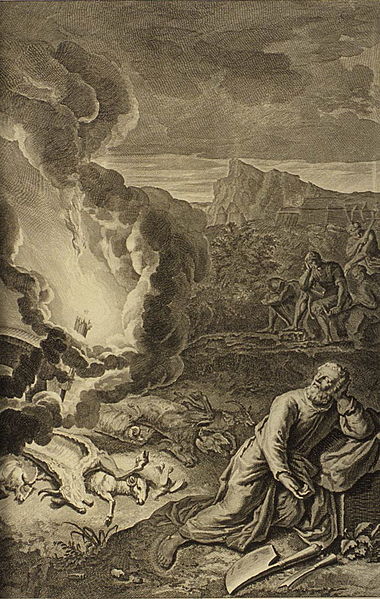
A Deep Sleep Came Upon Abraham and a Horror Siezed Him, as in Genesis 15: 12 from 1728 Figures de la Bible illustrated by Gerard Hoet (1648-1733)

A Deep Sleep Came Upon Abraham and a Horror Siezed Him, as in Genesis 15: 12 from 1728 Figures de la Bible illustrated by Gerard Hoet (1648-1733)

Jeremiah 33 Hope in the Midst of Hopelessness

candle

Jeremiah 33: 1-11: Hope in the Midst of the Hopelessness

The word of the LORD came to Jeremiah a second time, while he was still confined in the court of the guard: 2 Thus says the LORD who made the earth, the LORD who formed it to establish it– the LORD is his name: 3 Call to me and I will answer you, and will tell you great and hidden things that you have not known. 4 For thus says the LORD, the God of Israel, concerning the houses of this city and the houses of the kings of Judah that were torn down to make a defense against the siege ramps and before the sword: 5 The Chaldeans are coming in to fight and to fill them with the dead bodies of those whom I shall strike down in my anger and my wrath, for I have hidden my face from this city because of all their wickedness. 6 I am going to bring it recovery and healing; I will heal them and reveal to them abundance of prosperity and security. 7 I will restore the fortunes of Judah and the fortunes of Israel, and rebuild them as they were at first. 8 I will cleanse them from all the guilt of their sin against me, and I will forgive all the guilt of their sin and rebellion against me. 9 And this city shall be to me a name of joy, a praise and a glory before all the nations of the earth who shall hear of all the good that I do for them; they shall fear and tremble because of all the good and all the prosperity I provide for it.
10 Thus says the LORD: In this place of which you say, “It is a waste without human beings or animals,” in the towns of Judah and the streets of Jerusalem that are desolate, without inhabitants, human or animal, there shall once more be heard 11 the voice of mirth and the voice of gladness, the voice of the bridegroom and the voice of the bride, the voices of those who sing, as they bring thank offerings to the house of the LORD:
“Give thanks to the LORD of hosts, for the LORD is good,
for his steadfast love endures forever!”
For I will restore the fortunes of the land as at first, says the LORD.

             Out of the darkness and destruction comes a new beginning and a new light. Jeremiah is still in prison and the armies of Babylon surround the city. The deepest depths have not been reached yet, but in the midst of the darkness we continue to have the message of hope and reversals emerge. Finally the expected invasion from the previous 30 chapters has come, the devastation places the people into a place where they feel they have no future, no hope, no God they can turn to, and in this time life comes to a standstill. Men and women no longer marry, celebrations stop and those who remain are merely trying to survive. But the prophet now sees the long-expected judgment in the horizon of hope. That the death and destruction are not ultimate, that God’s steadfast love endures forever even as the judgment only lasts for a season. The people will be cleansed and made knew, the city becomes again a source of joy for God rather than a place that evokes God’s wrath. Where joy and mirth are absent, the time will come when they re-emerge. The land, one of the central symbols of identity for the people is again to be restored to the people as they in the future will regain their identity.


Model of the Second Temple at the time of Jesus

Model of the Second Temple at the time of Jesus

Jeremiah 33: 12-26: Restoration of Prosperity, the Line of Kings and the Priesthood

  12 Thus says the LORD of hosts: In this place that is waste, without human beings or animals, and in all its towns there shall again be pasture for shepherds resting their flocks. 13 In the towns of the hill country, of the Shephelah, and of the Negeb, in the land of Benjamin, the places around Jerusalem, and in the towns of Judah, flocks shall again pass under the hands of the one who counts them, says the LORD.
            14 The days are surely coming, says the LORD, when I will fulfill the promise I made to the house of Israel and the house of Judah.
            15 In those days and at that time I will cause a righteous Branch to spring up for David;
and he shall execute justice and righteousness in the land.
 16 In those days Judah will be saved and Jerusalem will live in safety.
And this is the name by which it will be called: “The LORD is our righteousness.”
            17 For thus says the LORD: David shall never lack a man to sit on the throne of the house of Israel, 18 and the levitical priests shall never lack a man in my presence to offer burnt offerings, to make grain offerings, and to make sacrifices for all time.
            19 The word of the LORD came to Jeremiah: 20 Thus says the LORD: If any of you could break my covenant with the day and my covenant with the night, so that day and night would not come at their appointed time, 21 only then could my covenant with my servant David be broken, so that he would not have a son to reign on his throne, and my covenant with my ministers the Levites. 22 Just as the host of heaven cannot be numbered and the sands of the sea cannot be measured, so I will increase the offspring of my servant David, and the Levites who minister to me.
 23 The word of the LORD came to Jeremiah: 24 Have you not observed how these people say, “The two families that the LORD chose have been rejected by him,” and how they hold my people in such contempt that they no longer regard them as a nation? 25 Thus says the LORD: Only if I had not established my covenant with day and night and the ordinances of heaven and earth, 26 would I reject the offspring of Jacob and of my servant David and not choose any of his descendants as rulers over the offspring of Abraham, Isaac, and Jacob. For I will restore their fortunes, and will have mercy upon them.

 The theme of reversals continues as the agricultural losses of the invasion of Babylon are regained as they see the flocks again counted. In one of the better known pieces of Jeremiah to Christians because this portion is often read as a prefiguring of the Christ, it also stands as a promise to the people of Judah that the line of Davidic kings which seems to have failed. The priesthood which now has lost its place without the temple will also be restored and the traditional places of Levi and Judah will be restored. The one guaranteeing the continued line of kings and place for the priests is the Lord who states again that only if the basic orders of creation can be reversed will his promises come to an end. The exile in Babylon is not the ultimate reality, God will not forget God’s people.

Jeremiah 32: Purchasing a Field During the Siege

Jeremiah 32: 1-15: The Purchase of the Field
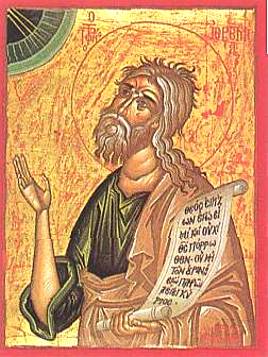
Orthodox Icon of the Prophet Jeremiah

Orthodox Icon of the Prophet Jeremiah

The word that came to Jeremiah from the LORD in the tenth year of King Zedekiah of Judah, which was the eighteenth year of Nebuchadrezzar. 2 At that time the army of the king of Babylon was besieging Jerusalem, and the prophet Jeremiah was confined in the court of the guard that was in the palace of the king of Judah, 3 where King Zedekiah of Judah had confined him. Zedekiah had said, “Why do you prophesy and say: Thus says the LORD: I am going to give this city into the hand of the king of Babylon, and he shall take it; 4 King Zedekiah of Judah shall not escape out of the hands of the Chaldeans, but shall surely be given into the hands of the king of Babylon, and shall speak with him face to face and see him eye to eye; 5 and he shall take Zedekiah to Babylon, and there he shall remain until I attend to him, says the LORD; though you fight against the Chaldeans, you shall not succeed?”
6 Jeremiah said, The word of the LORD came to me:7 Hanamel son of your uncle Shallum is going to come to you and say, “Buy my field that is at Anathoth, for the right of redemption by purchase is yours.” 8 Then my cousin Hanamel came to me in the court of the guard, in accordance with the word of the LORD, and said to me, “Buy my field that is at Anathoth in the land of Benjamin, for the right of possession and redemption is yours; buy it for yourself.” Then I knew that this was the word of the LORD.
9 And I bought the field at Anathoth from my cousin Hanamel, and weighed out the money to him, seventeen shekels of silver. 10 I signed the deed, sealed it, got witnesses, and weighed the money on scales. 11 Then I took the sealed deed of purchase, containing the terms and conditions, and the open copy; 12 and I gave the deed of purchase to Baruch son of Neriah son of Mahseiah, in the presence of my cousin Hanamel, in the presence of the witnesses who signed the deed of purchase, and in the presence of all the Judeans who were sitting in the court of the guard. 13 In their presence I charged Baruch, saying, 14 Thus says the LORD of hosts, the God of Israel: Take these deeds, both this sealed deed of purchase and this open deed, and put them in an earthenware jar, in order that they may last for a long time. 15 For thus says the LORD of hosts, the God of Israel: Houses and fields and vineyards shall again be bought in this land.

The first two verses of the chapter fix the context of when this prophetic action takes place, during the siege of Jerusalem by Nebuchadnezzar’s Babylonian forces while Jeremiah has been placed under arrest for his prophecy. Jeremiah’s words have been heard by the king enough that he can parrot them back to Jeremiah, and what I believe is the dominant question of the chapter comes out for the first time: Why? From the king’s mouth to Jeremiah: Why have you said these things. For Jeremiah his calling doesn’t give him a choice in this matter, there are many times Jeremiah would have preferred to stay silent but the words were like burning fire within him (Jeremiah 20: 9-10).
While Jeremiah is in the court of the guard the word of the Lord comes to him telling him that he is to redeem a piece of property from a relative. This concrete action of what seems like foolishness becomes an action of hope. Jeremiah publicly purchases the field of Hanamel in Anathoth, his hometown, a place where he has met opposition in the past but it is the land of his family and he redeems it. In a time of siege this would be a questionable investment, but there is the obligation to ensure the land remains in the family as well as the word of the Lord commanding Jeremiah to purchase this field. For this to happen the action must come to Jeremiah and Jeremiah is surprised when Hanamel comes. Perhaps Jeremiah has been charged with a proclamation of destruction, a proclamation that went against the cheap hope of many other prophets of his day, that this message from the Lord seems so out of step with his previous messages. Hanamel’s coming confirms the word of the Lord and Jeremiah seals the deal, weighing out the silver, signing the deed, getting witnesses to ensure it is a public and legal act. Jeremiah has the deed placed in an earthenware jug to be preserved for the end of the exile, but the action signals for Jeremiah and the people that in the midst of the death and destruction of the siege that the coming exile is not ultimate, the people will return and life will return to normal.

Jeremiah 32: 16-42: Jeremiah’s Prayer and the Lord’s Answer

Amos-Chapter-1-The-Prophet-Amos
16 After I had given the deed of purchase to Baruch son of Neriah, I prayed to the LORD, saying: 17 Ah Lord GOD! It is you who made the heavens and the earth by your great power and by your outstretched arm! Nothing is too hard for you. 18 You show steadfast love to the thousandth generation, but repay the guilt of parents into the laps of their children after them, O great and mighty God whose name is the LORD of hosts, 19 great in counsel and mighty in deed; whose eyes are open to all the ways of mortals, rewarding all according to their ways and according to the fruit of their doings. 20 You showed signs and wonders in the land of Egypt, and to this day in Israel and among all humankind, and have made yourself a name that continues to this very day. 21 You brought your people Israel out of the land of Egypt with signs and wonders, with a strong hand and outstretched arm, and with great terror; 22 and you gave them this land, which you swore to their ancestors to give them, a land flowing with milk and honey; 23 and they entered and took possession of it. But they did not obey your voice or follow your law; of all you commanded them to do, they did nothing. Therefore you have made all these disasters come upon them. 24 See, the siege ramps have been cast up against the city to take it, and the city, faced with sword, famine, and pestilence, has been given into the hands of the Chaldeans who are fighting against it. What you spoke has happened, as you yourself can see. 25 Yet you, O Lord GOD, have said to me, “Buy the field for money and get witnesses”– though the city has been given into the hands of the Chaldeans.
26 The word of the LORD came to Jeremiah: 27 See, I am the LORD, the God of all flesh; is anything too hard for me? 28 Therefore, thus says the LORD: I am going to give this city into the hands of the Chaldeans and into the hand of King Nebuchadrezzar of Babylon, and he shall take it. 29 The Chaldeans who are fighting against this city shall come, set it on fire, and burn it, with the houses on whose roofs offerings have been made to Baal and libations have been poured out to other gods, to provoke me to anger. 30 For the people of Israel and the people of Judah have done nothing but evil in my sight from their youth; the people of Israel have done nothing but provoke me to anger by the work of their hands, says the LORD. 31 This city has aroused my anger and wrath, from the day it was built until this day, so that I will remove it from my sight 32 because of all the evil of the people of Israel and the people of Judah that they did to provoke me to anger– they, their kings and their officials, their priests and their prophets, the citizens of Judah and the inhabitants of Jerusalem. 33 They have turned their backs to me, not their faces; though I have taught them persistently, they would not listen and accept correction. 34 They set up their abominations in the house that bears my name, and defiled it. 35 They built the high places of Baal in the valley of the son of Hinnom, to offer up their sons and daughters to Molech, though I did not command them, nor did it enter my mind that they should do this abomination, causing Judah to sin.
36 Now therefore thus says the LORD, the God of Israel, concerning this city of which you say, “It is being given into the hand of the king of Babylon by the sword, by famine, and by pestilence”: 37 See, I am going to gather them from all the lands to which I drove them in my anger and my wrath and in great indignation; I will bring them back to this place, and I will settle them in safety. 38 They shall be my people, and I will be their God. 39 I will give them one heart and one way, that they may fear me for all time, for their own good and the good of their children after them. 40 I will make an everlasting covenant with them, never to draw back from doing good to them; and I will put the fear of me in their hearts, so that they may not turn from me. 41 I will rejoice in doing good to them, and I will plant them in this land in faithfulness, with all my heart and all my soul.
42 For thus says the LORD: Just as I have brought all this great disaster upon this people, so I will bring upon them all the good fortune that I now promise them. 43 Fields shall be bought in this land of which you are saying, It is a desolation, without human beings or animals; it has been given into the hands of the Chaldeans. 44 Fields shall be bought for money, and deeds shall be signed and sealed and witnessed, in the land of Benjamin, in the places around Jerusalem, and in the cities of Judah, of the hill country, of the Shephelah, and of the Negeb; for I will restore their fortunes, says the LORD.

Now it is Jeremiah asking why, we hear his prayer narrated much like a Psalm or many of the other prayers in the Hebrew Scriptures where the way God has acted in the past is lifted up as a prologue, preparing the way for the question to be asked. Jeremiah in this narration reminds himself and God who God is, how God has acted and the frame in which he views God’s action (God’s actions in bringing the people of Judah under siege by Babylon are directly linked to the continuing disobedience and idolatry of the people over a span of generations). Jeremiah’s why in all of this is simple, Jeremiah wants to know why, at this very moment of judgment, has Jeremiah been commanded to buy a field, an act of hope in a time of hopelessness. The Lord’s answer does indeed confirm that the disobedience and idolatry has led to the siege and the upcoming exile, but a return is in the future. The Lord indeed will gather the people from all the places they have been scattered, the social and economic life of the nation will resume and like in chapter 32 the language of covenant returns. “I will make an everlasting covenant with them. (40) There will be another great reveral, misfortune will be transformed into fortune, in a place of death life will be reborn, disobedient hearts will have the fear of the Lord placed within them, and in Jeremiah’s actions we see the prefiguring of the return here at the beginning of the exile.

Jeremiah 31: Out of the Nightmare A Dream For A New Future

Jeremiah 31: 1-14: The Poet’s Hope

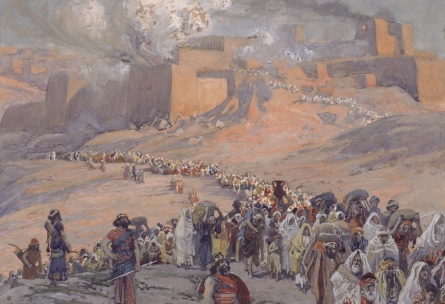
James Tissot, The Flight of the Prisoners

James Tissot, The Flight of the Prisoners

At that time, says the LORD, I will be the God of all the families of Israel, and they shall be my people.
2 Thus says the LORD:
The people who survived the sword found grace in the wilderness;
when Israel sought for rest,
3 the LORD appeared to him from far away.
I have loved you with an everlasting love;
therefore I have continued my faithfulness to you.
4 Again I will build you, and you shall be built, O virgin Israel!
Again you shall take your tambourines, and go forth in the dance of the merrymakers.
5 Again you shall plant vineyards on the mountains of Samaria;
the planters shall plant, and shall enjoy the fruit.
6 For there shall be a day when sentinels will call in the hill country of Ephraim:
“Come, let us go up to Zion, to the LORD our God.”
7 For thus says the LORD: Sing aloud with gladness for Jacob,
and raise shouts for the chief of the nations;
proclaim, give praise, and say, “Save, O LORD, your people, the remnant of Israel.”
8 See, I am going to bring them from the land of the north,
and gather them from the farthest parts of the earth,
among them the blind and the lame, those with child and those in labor, together;
a great company, they shall return here.
9 With weeping they shall come, and with consolations I will lead them back,
I will let them walk by brooks of water, in a straight path in which they shall not stumble;
for I have become a father to Israel, and Ephraim is my firstborn.
10 Hear the word of the LORD, O nations, and declare it in the coastlands far away;
say, “He who scattered Israel will gather him, and will keep him as a shepherd a flock.”
11 For the LORD has ransomed Jacob, and has redeemed him from hands too strong for him.
12 They shall come and sing aloud on the height of Zion,
and they shall be radiant over the goodness of the LORD,
over the grain, the wine, and the oil, and over the young of the flock and the herd;
their life shall become like a watered garden, and they shall never languish again.
13 Then shall the young women rejoice in the dance,
and the young men and the old shall be merry.
I will turn their mourning into joy,
I will comfort them, and give them gladness for sorrow.
14 I will give the priests their fill of fatness, and my people shall be satisfied with my bounty,
says the LORD.

Chapters 30 and 31 are together a part of the book of consolation in Jeremiah and they along with the chapters that follow are brought together by the editor of the book (remember Jeremiah is assembled in a non-linear fashion jumping throughout times of his ministry) as the heart of the prophet’s hope. Where one places these chapters in Jeremiah’s story matters greatly for how you understand the prophet. If, like Rabbi Lau, you place these chapters at the beginning of Jeremiah’s calling (Lau, 2013, pp. 22-28) you see him ending his ministry in a place of hopelessness. It may reflect a personal bias to want to see hope at the end of the story, but I tend to see this emerging, much like what is often referred to by scholars as second Isaiah (Isaiah beginning at chapter 40) in the aftermath of Jerusalem’s destruction and in the midst of exile.

These chapters are some of the more familiar chapters of Jeremiah, probably because they are the most hopeful. Although Jeremiah probably has a framework for understanding the way God is at work in the world Jeremiah does not write as a systematic theologian but more as a poet and a prophet. As Brueggemann states eloquently:

Clearly the prophet is not a systematic theologian, but a poet who lives very close to the hurts and hopes of God’s own heart. It is God’s heart made visible here which gives Israel a new chance in the future. (Brueggemann, 1998, p. 282)

And as a poet, Jeremiah lapse into the language like that of the Psalmist, recasting the events of the Exodus and pointing toward a new future on the other side of exile. God’s judgment is not to be misunderstood as an abandonment of God’s faithfulness. The current time of mourning and lamenting is not the permanent state, dancing and rejoicing will return. The experience of ending will make a place for a new beginning. The lame and the blind, those with children and those in labor, the weeping: all those who have been looked upon as weak and worthless in the eyes of the nation will be brought back to a place where they are valued by God. A new day will dawn, a new beginning and there will be an abundance where now the people know scarcity and deprivation. Even Ephraim, northern Israel gone into exile many years earlier than Judah will know the return and the Lord will reunite the long divided nation.
It is the language of poetry and utopia, projecting a future that is not there which can be dreamed and hoped for and infects the present of hopelessness with new possibilities. Does it ever occur exactly as the poet sees, if we look at second temple Israel we would have to honestly answer no, at least not in the way that many envisioned. Yet, if this is from the time of the exile, the prophet was able to emerge from the desolation of despair brought on by the destruction of the world around him into the hope of a new future under the promise of God.

Jeremiah 31: 15-22: Wiping Away Mother Rachel’s Tears

Francois-Joseph Navez, the Massacre of the Innocents 1824

Francois-Joseph Navez, the Massacre of the Innocents 1824

15 Thus says the LORD: A voice is heard in Ramah, lamentation and bitter weeping.
Rachel is weeping for her children; she refuses to be comforted for her children,
because they are no more.
16 Thus says the LORD: Keep your voice from weeping, and your eyes from tears;
for there is a reward for your work, says the LORD:
they shall come back from the land of the enemy;
17 there is hope for your future, says the LORD:
your children shall come back to their own country.
18 Indeed I heard Ephraim pleading: “You disciplined me, and I took the discipline;
I was like a calf untrained. Bring me back, let me come back, for you are the LORD my God.
19 For after I had turned away I repented; and after I was discovered, I struck my thigh;
I was ashamed, and I was dismayed because I bore the disgrace of my youth.”
20 Is Ephraim my dear son? Is he the child I delight in?
As often as I speak against him, I still remember him.
Therefore I am deeply moved for him; I will surely have mercy on him, says the LORD.
21 Set up road markers for yourself, make yourself guideposts;
consider well the highway, the road by which you went.
Return, O virgin Israel, return to these your cities.
22 How long will you waver, O faithless daughter?
For the LORD has created a new thing on the earth:
a woman encompasses a man.

Continuing on with the poetic recasting of the present in terms of the past, Jeremiah harkens back to the ancient figure of Rachel, the favored wife of Israel and the mother of Joseph and Benjamin (and because of this associated with Northern Israel or Ephraim). She takes on a representative role mourning the lost generations of the children of Israel who have seen so much war and desolation, heartbreak and homelessness. Like a mother grieving the loss of a child who is inconsolable she represents the people who have lost their identity, loved ones and many of them perhaps their children as well. Rachel’s grief also plugs in to the grief of both the prophet and God. God takes on a fatherly type identity with the people of Israel, and the people of Israel take on the role of the prodigal son who the father is waiting to welcome home. The road for Israel to return is poetically opened in the words of the prophet and yet, as will happen among the people when the opportunity comes to return under the Persian empire, the is a reluctance. God shows an openness to do something new out of the desolation of the past and the present and to create hope in a time of hopelessness.
For Christians this passage of Jeremiah has a second recasting when it is placed by Matthew into the story of King Herod the Great’s slaughter of the innocents in Bethlehem.

16 When Herod saw that he had been tricked by the wise men, he was infuriated, and he sent and killed all the children in and around Bethlehem who were two years old or under, according to the time that he had learned from the wise men. 17 Then was fulfilled what had been spoken through the prophet Jeremiah:
18 “A voice was heard in Ramah, wailing and loud lamentation,
Rachel weeping for her children; she refused to be consoled,
because they are no more.”
19 When Herod died, an angel of the Lord suddenly appeared in a dream to Joseph in Egypt and said,
Matthew 2: 16-19

The evangelist Matthew, like Jeremiah and many other faithful Jewish people before him goes back into the language of the story of God’s interaction with Israel to make sense of events in his own time. Here, appropriately, Matthew is able to find hope in the senseless violence of a king. Matthew is also very keen to tell the story of Jesus intentionally as the story of the people of Israel and finding points of resonance between the scripture and the story of Jesus. In neither case does the hope for the future erase the disaster of the past or the present of the stories, but rather it points to a reality that the disaster is not the final answer.

Jeremiah 31: 23-30: From Blessing to Curse

rootofjessebranch
23 Thus says the LORD of hosts, the God of Israel: Once more they shall use these words in the land of Judah and in its towns when I restore their fortunes:
“The LORD bless you, O abode of righteousness, O holy hill!”
24 And Judah and all its towns shall live there together, and the farmers and those who wander with their flocks.
25 I will satisfy the weary, and all who are faint I will replenish.
26 Thereupon I awoke and looked, and my sleep was pleasant to me.
27 The days are surely coming, says the LORD, when I will sow the house of Israel and the house of Judah with the seed of humans and the seed of animals. 28 And just as I have watched over them to pluck up and break down, to overthrow, destroy, and bring evil, so I will watch over them to build and to plant, says the LORD. 29 In those days they shall no longer say:
“The parents have eaten sour grapes, and the children’s teeth are set on edge.”
30 But all shall die for their own sins; the teeth of everyone who eats sour grapes shall be set on edge.

The poetic language of reversals continues in this vision of return where the God of Israel restores the fortunes of the people who seem to have lost everything. The city of Jerusalem and specifically the temple are blessed again. Judah is now safe and secure, farmers return to their fields to bring in the harvest, shepherds have returned to the pastureland. Israel and Judah are replanted and growing healthily and God is watching over the growth. For it seems, perhaps the nightmare the prophet has lived has come to an end and the prophet can finally rest peacefully. No longer will the current generation bear the weight of the unfaithfulness of the previous generations, but now there is the chance for a new beginning where they will have a new chance at a new beginning in their covenant with God. It is the language of new beginnings, but it is always a beginning in a relationship, in a covenant with the God who desires nothing more than to be their God and for them to be God’s people.

Jeremiah 31: 31-34: The Torah Written on their Heart

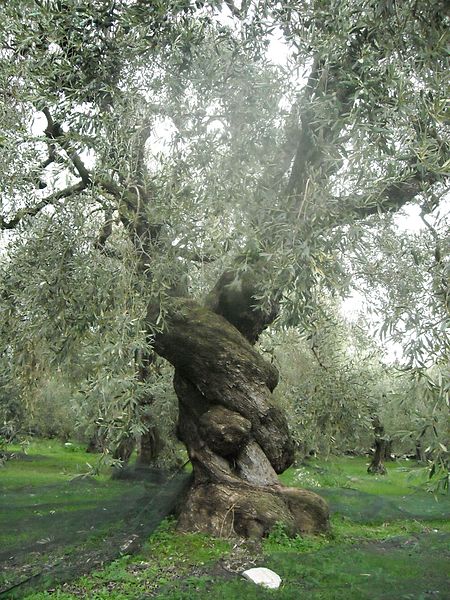
Ancient Olive Tree in Pelion, Greece

Ancient Olive Tree in Pelion, Greece

31 The days are surely coming, says the LORD, when I will make a new covenant with the house of Israel and the house of Judah. 32 It will not be like the covenant that I made with their ancestors when I took them by the hand to bring them out of the land of Egypt– a covenant that they broke, though I was their husband, says the LORD. 33 But this is the covenant that I will make with the house of Israel after those days, says the LORD: I will put my law within them, and I will write it on their hearts; and I will be their God, and they shall be my people. 34 No longer shall they teach one another, or say to each other, “Know the LORD,” for they shall all know me, from the least of them to the greatest, says the LORD; for I will forgive their iniquity, and remember their sin no more.

For Christians, this is the most commonly heard piece of Jeremiah with its image of the law written on the heart and new covenant. Because it is so familiar and so often heard extracted from the wider context of Jeremiah it is often easily applied to either a supercessionist (Christians as the new covenant, the Jewish people as the old covenant-highlighted by the use of Old Testament, New Testament) or particularly for American Christians steeped in individuality, a very individualistic and judgmental reading. Jeremiah is writing this to the Hebrew people in exile about the opening and hope that God has granted them for a new beginning, a new start in their covenant relationship. It is a new start where the past is forgiven, the law is known by all and written on their heart rather than being the prerogative of the elite (kings and priests) to verbalize. Knowledge and access to God is also no longer restricted to the priests but now all are enabled to know the Lord.
That doesn’t mean that these words are meaningless for Christians, as those grafted onto the olive tree, to use the Apostle Paul’s evocative image in Romans 12, we too are brought into this covenant relationship in a new way. Our being grafted in does not eliminate the natural branches, but just as Jeremiah’s language talks about is entirely the prerogative of the God who cares for God’s covenant peoples. Just as Matthew was able to interpret the words of Jeremiah 31: 15 to reflect the needs of his time we also are able to hear Jeremiah’s words and the similar images in Ezekiel as opportunities where God’s covenant can become as natural as the heartbeat that makes our lives possible and we can all have access to the God who makes new beginnings possible, from the greatest to the least.

Jeremiah 31: 35-40: The Expansion of the City

James Tissot, Reconstruction of Jerusalem and the Temple of Herod, painted between 1886 and 1894

James Tissot, Reconstruction of Jerusalem and the Temple of Herod, painted between 1886 and 1894

35 Thus says the LORD,
who gives the sun for light by day and the fixed order of the moon and the stars for light by night,
who stirs up the sea so that its waves roar– the LORD of hosts is his name:
36 If this fixed order were ever to cease from my presence, says the LORD,
then also the offspring of Israel would cease to be a nation before me forever.
37 Thus says the LORD: If the heavens above can be measured,
and the foundations of the earth below can be explored,
then I will reject all the offspring of Israel because of all they have done, says the LORD.
38 The days are surely coming, says the LORD, when the city shall be rebuilt for the LORD from the tower of Hananel to the Corner Gate. 39 And the measuring line shall go out farther, straight to the hill Gareb, and shall then turn to Goah. 40 The whole valley of the dead bodies and the ashes, and all the fields as far as the Wadi Kidron, to the corner of the Horse Gate toward the east, shall be sacred to the LORD. It shall never again be uprooted or overthrown.

The hope for home is a powerful hope. Jeremiah’s images of hope are grounded in a physical place, the city of Jerusalem and the territory of Judah and here the concrete image of the city being rebuilt and God now dwelling in the midst of the city again. In the midst of this image of the city which is rebuilt bigger and better than before is the promise of God’s unfaithfulness. Finally God’s wrath has passed and is overtaken by God’s love which is greater. God has never stopped loving the people, never abandoned them and it is only in the unmeasurable could be measured, the unending would end that God would abandon the covenant people. The poetry brings together the past and the future longing for the dreams of what will be emerging out of the ashes of the nightmare of the recent past. The God of new creation is opening the eyes of the prophet to see something new and finally the long years of despair give birth to hope and promise.


Jeremiah 30: Hope in the Midst of Hopelessness

Jeremiah 30: 1-11: Judgment Will Not Last Forever

candle
1 The word that came to Jeremiah from the LORD: 2 Thus says the LORD, the God of Israel: Write in a book all the words that I have spoken to you. 3 For the days are surely coming, says the LORD, when I will restore the fortunes of my people, Israel and Judah, says the LORD, and I will bring them back to the land that I gave to their ancestors and they shall take possession of it.
4 These are the words that the LORD spoke concerning Israel and Judah:
5 Thus says the LORD:
We have heard a cry of panic,
of terror, and no peace.
6 Ask now, and see, can a man bear a child?
Why then do I see every man with his hands on his loins like a woman in labor?
Why has every face turned pale?
7 Alas! that day is so great there is none like it;
it is a time of distress for Jacob; yet he shall be rescued from it.
8 On that day, says the LORD of hosts, I will break the yoke from off his neck, and I will burst his bonds, and strangers shall no more make a servant of him. 9 But they shall serve the LORD their God and David their king, whom I will raise up for them.
10 But as for you, have no fear, my servant Jacob, says the LORD,
and do not be dismayed, O Israel; for I am going to save you from far away,
and your offspring from the land of their captivity.
Jacob shall return and have quiet and ease, and no one shall make him afraid.
11 For I am with you, says the LORD, to save you;
I will make an end of all the nations among which I scattered you,
but of you I will not make an end.
I will chastise you in just measure,
and I will by no means leave you unpunished.

Chapters 30-33 of the book of Jeremiah are chapters of hope, it is not the easy pie in the sky, everything is going to turn out all right kind of hope, but it is a hard won hope born out of the disappointment and heartbreak of the exile and the ending of the misconceptions of privilege that come with the collapse of Jerusalem, the Temple, and the Davidic Monarchy. The events that have occurred in the Near East, with the rise of Babylon, the conquering of Judea and Jerusalem, the destruction of the Temple: all of this is interpreted theologically by Jeremiah. As the people find themselves in exile, beyond the ends of their strength where the military leaders find themselves powerless, compared to women in labor, in the double play of this metaphor that precisely in their powerlessness and their inability to bring something new to birth, the God of Israel is working to do just that. This is not the far too hasty breaking of the yoke of Babylon we saw attempted by Hananiah in chapter 28, but the breaking of the bonds at the time God has appointed. God’s judgment for the people in Jeremiah is not easy, it is not cheap, but it is also not without end. God will again show compassion and mercy to God’s people. God will not let what appears to be the end of the Davidic line or the destruction of the temple be the end of the Jewish people’s identity as the people of God.

Jeremiah 30: 12-24: The Turning in God

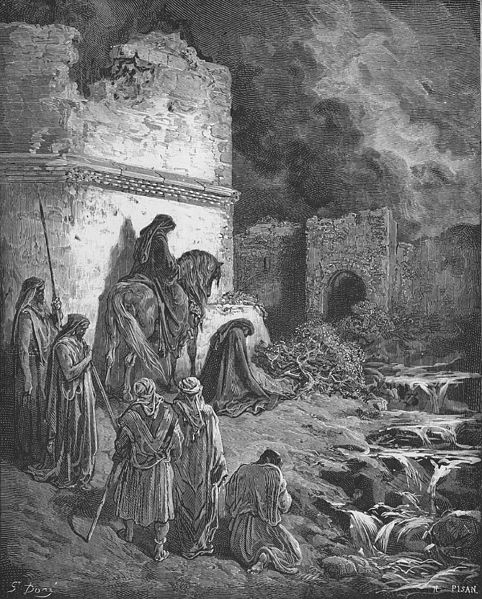
Nehemiah View the Ruins of jerusalem's Walls, Gustav Dore 1866

Nehemiah View the Ruins of jerusalem’s Walls, Gustav Dore 1866

12 For thus says the LORD:
Your hurt is incurable, your wound is grievous.
13 There is no one to uphold your cause,
no medicine for your wound, no healing for you.
14 All your lovers have forgotten you; they care nothing for you;
for I have dealt you the blow of an enemy, the punishment of a merciless foe,
because your guilt is great, because your sins are so numerous.
15 Why do you cry out over your hurt? Your pain is incurable.
Because your guilt is great, because your sins are so numerous,
I have done these things to you.
16 Therefore all who devour you shall be devoured,
and all your foes, everyone of them, shall go into captivity;
those who plunder you shall be plundered,
and all who prey on you I will make a prey.
17 For I will restore health to you, and your wounds I will heal, says the LORD,
because they have called you an outcast: “It is Zion; no one cares for her!”
18 Thus says the LORD: I am going to restore the fortunes of the tents of Jacob,
and have compassion on his dwellings;
the city shall be rebuilt upon its mound, and the citadel set on its rightful site.
19 Out of them shall come thanksgiving, and the sound of merrymakers.
I will make them many, and they shall not be few;
I will make them honored, and they shall not be disdained.
20 Their children shall be as of old, their congregation shall be established before me;
and I will punish all who oppress them.
21 Their prince shall be one of their own, their ruler shall come from their midst;
I will bring him near, and he shall approach me,
for who would otherwise dare to approach me? says the LORD.
22 And you shall be my people, and I will be your God.
23 Look, the storm of the LORD! Wrath has gone forth, a whirling tempest;
it will burst upon the head of the wicked.
24 The fierce anger of the LORD will not turn back
until he has executed and accomplished the intents of his mind.
In the latter days you will understand this.

There is a sense of justice that undergirds the book of Jeremiah that the guilty will be punished, that goes back to the Mosaic memory and covenantal understanding that Jeremiah understands the world through. The punishment had come, but it is not final or ultimate. There is an ending, a rescue. This is by no means cheap, it takes a generation in exile, a complete reconfiguration of the people’s identity of what it means to be the covenant people of God without the land, temple, king. In this time of exile they return to the promise and calling of their identity, they become truly a people of the book as they record their stories and the promises and covenant of God into many of the books that will make up the Hebrew Bible. On their own they are in an incurable state, there is no balm in Gilead that will heal their sin sick souls, yet they now rely upon the turning of God’s compassion to them. Like when their ancestors remembered the captivity in Egypt and God’s hearing of their cry, now the people of God in exile in Babylon rely upon their Lord hearing their cries in their displacement and oppression. As Walter Brueggemann says very well:

 Nothing has changed about the propensity of Israel. Israel is still guilty, is still sick, still under threat. Everything however has changed about God….The Indignant One has become the compassionate One. God who would abandon Judah is now prepared to intervene to save Judah. The poem traced in dramatic fashion, albeit with elliptical articulation, the transformation of God from enemy to advocate. (Brueggemann, 1998, p. 277)

God’s wrath has now turned from the people of Israel’s to the oppressors of Israel, and in the compassion of God there is the hope for the return home, for a new identity as the people of God and for a future beyond the crisis of the exile.

Jeremiah 29: A Letter to the Exiles and the Recurring False Prophets

Letter to the Exiles

Psalm137-794316

Jeremiah 29
These are the words of the letter that the prophet Jeremiah sent from Jerusalem to the remaining elders among the exiles, and to the priests, the prophets, and all the people, whom Nebuchadnezzar had taken into exile from Jerusalem to Babylon. 2 This was after King Jeconiah, and the queen mother, the court officials, the leaders of Judah and Jerusalem, the artisans, and the smiths had departed from Jerusalem. 3 The letter was sent by the hand of Elasah son of Shaphan and Gemariah son of Hilkiah, whom King Zedekiah of Judah sent to Babylon to King Nebuchadnezzar of Babylon. It said: 4 Thus says the LORD of hosts, the God of Israel, to all the exiles whom I have sent into exile from Jerusalem to Babylon: 5 Build houses and live in them; plant gardens and eat what they produce. 6 Take wives and have sons and daughters; take wives for your sons, and give your daughters in marriage, that they may bear sons and daughters; multiply there, and do not decrease. 7 But seek the welfare of the city where I have sent you into exile, and pray to the LORD on its behalf, for in its welfare you will find your welfare.
8 For thus says the LORD of hosts, the God of Israel: Do not let the prophets and the diviners who are among you deceive you, and do not listen to the dreams that they dream, 9 for it is a lie that they are prophesying to you in my name; I did not send them, says the LORD.
10 For thus says the LORD: Only when Babylon’s seventy years are completed will I visit you, and I will fulfill to you my promise and bring you back to this place. 11 For surely I know the plans I have for you, says the LORD, plans for your welfare and not for harm, to give you a future with hope. 12 Then when you call upon me and come and pray to me, I will hear you. 13 When you search for me, you will find me; if you seek me with all your heart, 14 I will let you find me, says the LORD, and I will restore your fortunes and gather you from all the nations and all the places where I have driven you, says the LORD, and I will bring you back to the place from which I sent you into exile.
15 Because you have said, “The LORD has raised up prophets for us in Babylon,”– 16 Thus says the LORD concerning the king who sits on the throne of David, and concerning all the people who live in this city, your kinsfolk who did not go out with you into exile: 17 Thus says the LORD of hosts, I am going to let loose on them sword, famine, and pestilence, and I will make them like rotten figs that are so bad they cannot be eaten. 18 I will pursue them with the sword, with famine, and with pestilence, and will make them a horror to all the kingdoms of the earth, to be an object of cursing, and horror, and hissing, and a derision among all the nations where I have driven them, 19 because they did not heed my words, says the LORD, when I persistently sent to you my servants the prophets, but they would not listen, says the LORD. 20 But now, all you exiles whom I sent away from Jerusalem to Babylon, hear the word of the LORD:

The beginning of this chapter spends a long time situating when this letter is sent by royal courier to the people (predominantly the elites of Judean society) already in exile in Babylon after the first deportation in 597 BCE and the second invasion and massive deportation in 586 BCE. Here in the beginning of chapter 29 we can see some glimmers of hope for those already in Babylon. The Jewish people in Babylon now are charged with constructing their identity in the midst of exile, of getting on with their lives: planting gardens, building homes, getting married and having children for this will not be a short exile. They are to learn how to be the people of God as a minority culture in a very different culture. In their time they are to learn to embrace the exile as the place where God has placed them, that this is indeed from God and to oppose the exile is to oppose God. Also there is a hope in the long term for a restoration to their homeland, but the time is not near and certainly not now. For those already in exile Jeremiah writes a letter intending to bring comfort.
The Babylonian exile is a very productive time for the exiles, most scholars agree that this is when much of the Hebrew Bible reaches its final form. There are still books written after the exile, but being a conquered people in a foreign land caused the people to bring the traditions together to pass on their identity to their children and their children’s children. They became for the first time people of the book, rather than people of the land or oriented around the temple or the city of the Davidic dynasty. In particular these elites who are taken away in the first exile are the bearers of the hope for the future and, despite appearance to the contrary, are objects of God’s affection. Even in exile they are still the chosen people and they have a calling in the exile.
Even in exile they are to be a blessing to the nation they are exiled to. They have to learn how to be faithful to their identity as people of God, and that involves also seeking the well-being (shalom) of the city they are sent to. In contrast to the message they may be hearing from their own kin still in Jerusalem and Judah, they are bearers of God’s blessing. Those still in Judah and Jerusalem still have very dark days ahead, there is still more judgment before they can receive the consolation in the exile, but for those already in the exile they can begin the process of settling into their identity in the midst of the empire. Moving on with their lives in a new place, finding their new identity and holding fast to the covenant and promise that God intends for them.

More False Prophets

21 Thus says the LORD of hosts, the God of Israel, concerning Ahab son of Kolaiah and Zedekiah son of Maaseiah, who are prophesying a lie to you in my name: I am going to deliver them into the hand of King Nebuchadrezzar of Babylon, and he shall kill them before your eyes. 22 And on account of them this curse shall be used by all the exiles from Judah in Babylon: “The LORD make you like Zedekiah and Ahab, whom the king of Babylon roasted in the fire,” 23 because they have perpetrated outrage in Israel and have committed adultery with their neighbors’ wives, and have spoken in my name lying words that I did not command them; I am the one who knows and bears witness, says the LORD.
24 To Shemaiah of Nehelam you shall say: 25 Thus says the LORD of hosts, the God of Israel: In your own name you sent a letter to all the people who are in Jerusalem, and to the priest Zephaniah son of Maaseiah, and to all the priests, saying, 26 The LORD himself has made you priest instead of the priest Jehoiada, so that there may be officers in the house of the LORD to control any madman who plays the prophet, to put him in the stocks and the collar. 27 So now why have you not rebuked Jeremiah of Anathoth who plays the prophet for you? 28 For he has actually sent to us in Babylon, saying, “It will be a long time; build houses and live in them, and plant gardens and eat what they produce.”
29 The priest Zephaniah read this letter in the hearing of the prophet Jeremiah. 30 Then the word of the LORD came to Jeremiah: 31 Send to all the exiles, saying, Thus says the LORD concerning Shemaiah of Nehelam: Because Shemaiah has prophesied to you, though I did not send him, and has led you to trust in a lie, 32 therefore thus says the LORD: I am going to punish Shemaiah of Nehelam and his descendants; he shall not have anyone living among this people to see the good that I am going to do to my people, says the LORD, for he has spoken rebellion against the LORD.

Even in the midst of this time between the exile we continue to see false prophets who will continue to encourage a false version of hope. Ahab, Zedekiah, and Shemaiah are the latest examples mentioned. Ahab and Zedekiah are mentioned at the end of the letter that begins the chapter while Shemaiah is mentioned in a second letter included in the chapter. The accusations against Zedekiah and Ahab also include personal accusations of morality as well (committing adultery with their neighbors’ wives) and while we will never know about what actually happened to these false prophets spoken of only here their punishment is one of particular horror (being roasted on the fire). Shemaiah once again tries to get Jeremiah punished for speaking words that would have been considered treasonous by many of his contemporaries. Jeremiah we see again at least has some who listen to him or respect him. Zephaniah reads to Jeremiah the letter and Jeremiah is captured again by the word of the Lord and utters condemnation against Shemaiah. These false messengers continue to confuse the people and allow them to hear the words that are more palatable and trust in them even when they are not true. In our own context there are many times I could point to where pundits or politicians or even religious leaders have obscured or overstated ideas that fit their view of the way things were or told people what they wanted to hear. But for those who claim the role of prophets their words are to come from God even when the message God has is one nobody seems to want to hear.

Jeremiah 28: The True and the False Prophet

The Breaking of Jeremiah's Yoke by Hananiah

The Breaking of Jeremiah’s Yoke by Hananiah

Jeremiah 28

In that same year, at the beginning of the reign of King Zedekiah of Judah, in the fifth month of the fourth year, the prophet Hananiah son of Azzur, from Gibeon, spoke to me in the house of the LORD, in the presence of the priests and all the people, saying, 2 “Thus says the LORD of hosts, the God of Israel: I have broken the yoke of the king of Babylon. 3 Within two years I will bring back to this place all the vessels of the LORD’s house, which King Nebuchadnezzar of Babylon took away from this place and carried to Babylon. 4 I will also bring back to this place King Jeconiah son of Jehoiakim of Judah, and all the exiles from Judah who went to Babylon, says the LORD, for I will break the yoke of the king of Babylon.”
5 Then the prophet Jeremiah spoke to the prophet Hananiah in the presence of the priests and all the people who were standing in the house of the LORD; 6 and the prophet Jeremiah said, “Amen! May the LORD do so; may the LORD fulfill the words that you have prophesied, and bring back to this place from Babylon the vessels of the house of the LORD, and all the exiles. 7 But listen now to this word that I speak in your hearing and in the hearing of all the people. 8 The prophets who preceded you and me from ancient times prophesied war, famine, and pestilence against many countries and great kingdoms. 9 As for the prophet who prophesies peace, when the word of that prophet comes true, then it will be known that the LORD has truly sent the prophet.”
10 Then the prophet Hananiah took the yoke from the neck of the prophet Jeremiah, and broke it.
11 And Hananiah spoke in the presence of all the people, saying, “Thus says the LORD: This is how I will break the yoke of King Nebuchadnezzar of Babylon from the neck of all the nations within two years.” At this, the prophet Jeremiah went his way.
12 Sometime after the prophet Hananiah had broken the yoke from the neck of the prophet Jeremiah, the word of the LORD came to Jeremiah: 13 Go, tell Hananiah, Thus says the LORD: You have broken wooden bars only to forge iron bars in place of them! 14 For thus says the LORD of hosts, the God of Israel: I have put an iron yoke on the neck of all these nations so that they may serve King Nebuchadnezzar of Babylon, and they shall indeed serve him; I have even given him the wild animals. 15 And the prophet Jeremiah said to the prophet Hananiah, “Listen, Hananiah, the LORD has not sent you, and you made this people trust in a lie. 16 Therefore thus says the LORD: I am going to send you off the face of the earth. Within this year you will be dead, because you have spoken rebellion against the LORD.”
17 In that same year, in the seventh month, the prophet Hananiah died.
Like the previous chapter this occurs in the time of King Zedekiah, the king appointed by King Nebuchadnezzar after the initial exile of the nobles and elites in 596 BCE. It is a time where the Kingdom of Judah has already suffered one defeat at the hands of the Babylonians and Jeremiah’s words have been shown to be a more accurate reading of the times than the many other prophets around him, yet even in a time of defeat the withdrawing of Babylonian forces and the rise of a new Egyptian dynasty leads to a political and religious resurgence of the ideology that the Kingdom of Judah, the temple and Jerusalem are the chosen people because of the Davidic king, the temple and the city of David not because of the covenant they are called to live out of. It is a time where there remain powerful competing visions of what it means to be the people of God, and where prophets have very different messages.
Hananiah son of Azzur proclaims a message that people want to hear, that their time of punishment is over, that the vessels of the temple taken away from Jerusalem will soon be returned along with the King Jeconiah and the other leaders taken into exile. It is a message of hope in a time of confusion and chaos and it is a message that even Jeremiah would rather hear, but Jeremiah also knows it runs counter to his experience of God’s message. The prophet Hananiah acts in visual ways similar to Jeremiah. Jeremiah wears the yoke symbolizing the domination of King Nebuchadnezzar being a divinely allowed reign. Hananiah shatters that yoke as a symbol of the ending of that reign.
For the people how do they tell a false from a true prophet? Ultimately it is only once their words become reality, especially for the prophet of hope and peace. For the prophets who prophesy destruction that never comes there is the reality expressed by the prophet Joel:
Return to the Lord, your God, for he is gracious and merciful, slow to anger and abounding in steadfast love, and relents from punishing. Who know whether he will not turn and relent, and leave a blessing behind. Joel 2: 13b-14a
We have seen throughout Jeremiah that God’s desire is to turn, but at this point the people have crossed a threshold where there is no immediate return. Jeremiah’s words, although unheard, are meant to bring about repentance in the hope of averting an even greater disaster. Hananiah’s words bring a comfortable lie which allows people to trust in a false promise and ideology which leads them once more into conflict with Babylon and into the greater exile of 586 BCE.
Jeremiah’s words and prophecy would have been unsettling and unpopular and treasonous, but that doesn’t mean they were untrue. In many times, including our own, it is often easier to speak the easy lie that doesn’t challenge anyone’s preconceptions than the hard truth. We have seen in previous chapters that speaking as a prophet has a high price for those prophets who come in conflict with the royal and priestly authorities of Jeremiah’s time. Yet for Jeremiah his calling places him between the God who will not be taken for granted and the shepherds who have led the flock astray. Yet Jeremiah continues his impassioned plea to attempt to prevent the destruction of the city, temple and people he loves. Yet, the people to use the poetic language of the gospel of John’s prologue:
He came to what was his own, and his own people did not accept him John 1:11
Yet the easy truth covered the harsh reality, the promised return to independence combined with political allegiances to Egypt and other regional kingdoms would only exchange the wooden yoke for an iron yoke, allegiance to Babylon while remaining in the land to the harsh reality of exile in a foreign land.

Review of 1 Kings: Torn in Two by Alex Israel

kings for web1 (1)

1 Kings: Torn in Two, by Alex Israel. Jerusalem: Maggid Books, 2013. Pp 350. $29.95 (Hardcover)

1 Kings is the second volume in the Maggid Studies in Tanakh series, and both works have proven to be clear written and insightful approaches to the portions of the Hebrew Scriptures that they address. Rabbi Alex Israel’s skillful opening of the book of 1 Kings provides the reader multiple frames to view the characters, events and historical context of this narrative which moves from the end of the reign of King David through the splitting of the nation of Israel in two and to the end of 1 Kings at the reigns of Jehoshaphat in Judah and Ahaziah in Israel. In a very easy to read style, Rabbi Israel narrates the struggle between kings and prophets, the uneasy relationship between the tribe of Judah and the tribes of Joseph, and with a sympathetic eye paints each of the kings and prophets as people caught within conflicting allegiances. 1 Kings: Torn in Two takes the theological narrative of the history of Israel in 1 Kings and tells it as a compelling story full of struggles and questions and invites the reader into a deeper engagement of the complicated story of the people of God.

1 Kings is roughly half of the original book of Kings, which we now have divided into both 1 and 2 Kings. The book of Kings looks back on the period of the First Temple and attempts to answer the question of what went wrong during this period that eventually led to the destruction of the temple and the people of both the northern Kingdom of Israel and the southern Kingdom of Judah being conquered by the Assyrians and Babylonians respectively. It is a spiritual evaluation of the era rather than a history book and it evaluates each ruler on how they either accelerated the nation of Israel’s path to destruction or reversed the tide by returning to God. The core problem that underlies the evaluation of the leaders in the Book of Kings is the spiritual issue of idolatry. (2)

1 Kings begin with the political intrigue caused by the approaching death of King David and the struggle for power between two of his sons, Adonijah and Solomon. Rabbi Israel skillfully narrates both a political and theological reading of this story of political intrigue. Through his close reading of the movements and alliances of each son of King David we see how both attempt to grasp for power at the end of David’s reign. In a time of uncertainty both groups attempt to consolidate their grasp on their reign through various methods, and ultimately when Solomon emerges the anointed king and consolidates his power it begins a new period of the time of Israel. A time of peace and prosperity begins the age of the first temple.

King Solomon’s reign will demonstrate a pattern of competing allegiances that will continue with all the kings that will follow him. Solomon’s reign and projects will demonstrate an openness to the world beyond the borders of the nation of Israel, even the construction of the temple is designed to spread the name of God beyond the Jewish people. (86) Yet, with this outward looking policy are sown the seeds of future conflicts. From Solomon’s marriage to the daughter of Pharaoh, as well as his other wives and concubines, to a policy of taxation to fund the building of the temple and many other houses which are all done in a time of peace and agricultural prosperity. It is a time of tension, as Rabbi Israel states it, “a tale of Solomon’s two conflicting loves—that of the Temple and that of Pharaoh’s daughter” It is an era that begins with the hope and promise of Solomon asking for wisdom to judge the people that transitions to that same wisdom being turned to become a source of revenue. The affluence of Solomon’s reign also begins to point to a spiritual decline as the accumulation of spices, wealth and building materials become more central to the narrative than the king’s ability to bring justice to the nation. Solomon’s reign of peace ends with his policies of taxation placing a huge internal strain on the already fragile bond between the tribes of Judah and the tribes of the rest of the nation and Solomon establishing a pattern of divided loyalties between the God of Israel and the Temple in Jerusalem and the his building worship sites for his foreign wives and his devotion to them. The end of Solomon’s reign sets the stage for a nation torn in two in his son’s reign.

When Rehoboam ascends to the throne the seam between Judah and the other tribes unravels. By the end of Solomon’s reign the resistance to the taxation policies of the king are already beginning to meet resistance and Jeroboam emerges as one of the challengers of Solomon and later to his heir Rehoboam. Rabbi Israel paints a nuanced portrait of both Jeroboam and Rehoboam where they are both faithful and unfaithful. Jeroboam’s revolt is portrayed as an anti-elitist, people-based movement where priestly service in the two new worship sites (Dan and Bethel) is opened up to all the people. While Jeroboam’s revolt receives divine sanction his institution of new worship sites and the use of images to mediate the people’s worship comes under condemnation of the book of Kings. In Judah, Rehoboam is willing to listen to the prophets that tell him not to go to war with the rest of Israel, however he too continues in the sin of idolatry of his father Solomon. The sin of idolatry is the one defining action that drives the evaluation of each king’s reign according to the book of Kings.

The time after the kingdom unravels is a time of numerous conflicts between Judah and Israel as well as turbulence as leadership as one dynasty is replaced by another. 1 Kings: Torn in Two narrates this complex time of interlocking reigns and conflict from both a northern and southern perspective and is able to highlight both the perspective of the author of 1 Kings on this time period but also brings in a historical and inter textual perspective, utilizing in particular the book of Chronicles to provide an additional voice on this time. Particularly in the North it is a time where different royal dynasties reign for a couple generations only to be replace by another dynasty when they are overthrown.

1 Kings conclude in the time of the Omri dynasty, Kings Omri and Ahab in the north. The reign of Kings Omri and Ahab in the north is one of economic prosperity but spiritual decline. King Omri and later his son Ahab base their foreign policy on an alliance with Phoenicia. This economic and political alliance with Phoenicia also bring Ball worship deep into the life of the Northern Kingdom. Particularly when King Ahab is married to Jezebel who become an ardent missionary of the religion of Phoenicia. (221) In a time where Ahab abandons God and his kingdom flourishes there seems to be no contradiction between his personal and national fortune and his religious orientation.

It is into this time of King Ahab and Jezebel and the continued influence of the religion and policies of Phoenicia that the prophet Elijah enters the story and the conflict begins for the spiritual identity of the Northern Kingdom. Rabbi Israel highlights several important readings of this story and how it reflects on both Elijah and God. In a more traditional reading Elijah is acting as God’s agent and God seems indifferent to the epidemic and famine caused by the three years of drought, but he also lifts up the position of Rabbi Samet in which God attempts to dislodge Elijah from his refusal to end the drought, and so finally in chapter 18 God orders Elijah to explicitly end the famine. (237) Ahab is also presented in a compassionate way as drawn between competing allegiances: after the events on Mt. Carmel where Elijah challenges the prophets of Baal and Ahab appears to return, briefly, to trusting the God of Israel, yet Jezebel continues to hold a strong sway over his policies and is able to threaten Elijah’s life immediately afterwards. The conflict between Elijah and Jezebel also demonstrates a conflict between two value systems: the democratic land culture of Torah and ancient Israel (where land remains in a family) and the monarchical Phoenician system where the king has the ability to take whatever the king wants. Yet even King Ahab, who has done more evil than any of the kings before him according to 1 Kings makes a sudden repentance at the end of the story and God enthusiastically accepts his repentance delaying any condemnation during his lifetime.

Rabbi Israel’s reading of the narrative of 1 Kings highlights the continuing pattern of competing allegiances that the leaders and people of Israel and Judah struggled with. His ability to tell the story in a compelling way allows the tensions of the time and the personalities of the leaders to come forward. The story points to the struggle that people live out our society between competing allegiances based on economic, political, relational and religious authorities. This is an illuminating journey into the time of the kings of Israel and Judah and resonates with themes and struggles found throughout the Hebrew Scriptures and in the relationship between God and God’s people.

Jeremiah 27: The Yoke of Babylon

Weigel Engraving, Hananiah and Jeremiah

Weigel Engraving, Hananiah and Jeremiah

In the beginning of the reign of King Zedekiah son of Josiah of Judah, this word came to Jeremiah from the LORD. 2 Thus the LORD said to me: Make yourself a yoke of straps and bars, and put them on your neck. 3 Send word to the king of Edom, the king of Moab, the king of the Ammonites, the king of Tyre, and the king of Sidon by the hand of the envoys who have come to Jerusalem to King Zedekiah of Judah. 4 Give them this charge for their masters: Thus says the LORD of hosts, the God of Israel: This is what you shall say to your masters: 5 It is I who by my great power and my outstretched arm have made the earth, with the people and animals that are on the earth, and I give it to whomever I please. 6 Now I have given all these lands into the hand of King Nebuchadnezzar of Babylon, my servant, and I have given him even the wild animals of the field to serve him. 7 All the nations shall serve him and his son and his grandson, until the time of his own land comes; then many nations and great kings shall make him their slave.

 8 But if any nation or kingdom will not serve this king, Nebuchadnezzar of Babylon, and put its neck under the yoke of the king of Babylon, then I will punish that nation with the sword, with famine, and with pestilence, says the LORD, until I have completed its destruction by his hand. 9 You, therefore, must not listen to your prophets, your diviners, your dreamers, your soothsayers, or your sorcerers, who are saying to you, ‘You shall not serve the king of Babylon.’ 10 For they are prophesying a lie to you, with the result that you will be removed far from your land; I will drive you out, and you will perish. 11 But any nation that will bring its neck under the yoke of the king of Babylon and serve him, I will leave on its own land, says the LORD, to till it and live there.

 12 I spoke to King Zedekiah of Judah in the same way: Bring your necks under the yoke of the king of Babylon, and serve him and his people, and live. 13 Why should you and your people die by the sword, by famine, and by pestilence, as the LORD has spoken concerning any nation that will not serve the king of Babylon? 14 Do not listen to the words of the prophets who are telling you not to serve the king of Babylon, for they are prophesying a lie to you. 15 I have not sent them, says the LORD, but they are prophesying falsely in my name, with the result that I will drive you out and you will perish, you and the prophets who are prophesying to you.

 16 Then I spoke to the priests and to all this people, saying, Thus says the LORD: Do not listen to the words of your prophets who are prophesying to you, saying, “The vessels of the LORD’s house will soon be brought back from Babylon,” for they are prophesying a lie to you. 17 Do not listen to them; serve the king of Babylon and live. Why should this city become a desolation? 18 If indeed they are prophets, and if the word of the LORD is with them, then let them intercede with the LORD of hosts, that the vessels left in the house of the LORD, in the house of the king of Judah, and in Jerusalem may not go to Babylon. 19 For thus says the LORD of hosts concerning the pillars, the sea, the stands, and the rest of the vessels that are left in this city, 20 which King Nebuchadnezzar of Babylon did not take away when he took into exile from Jerusalem to Babylon King Jeconiah son of Jehoiakim of Judah, and all the nobles of Judah and Jerusalem– 21 thus says the LORD of hosts, the God of Israel, concerning the vessels left in the house of the LORD, in the house of the king of Judah, and in Jerusalem: 22 They shall be carried to Babylon, and there they shall stay, until the day when I give attention to them, says the LORD. Then I will bring them up and restore them to this place.


The NRSV corrects the text since the context set for Jeremiah’s actions are almost universally accepted to be during the reign of King Zedekiah after the exile of Jeconiah and many of the elites in the land. In this context where Zedekiah is ruling over the remnant in the time before the much larger Babylonian exile of 586 BCE, so the prophets actions are in the time of Zedekiah rather than Jeconiah. At some time during this ten year span there is some type of regional meeting of the envoys of the nations of Edom, Moab, the Ammonites,Tyre and Sidon with the king of Judah, most likely to discuss how they are going to respond to the continued domination of the Babylonian empire. Would the regional kings perhaps ally themselves with a resurgent Egypt, would they rebel against Babylon or would they submit to the reign of King Nebuchadnezzar? We know from a viewpoint removed from history that Judah would set a policy that would rely on Egypt and eventually provoke the wrath of Babylon leading to the destruction of Jerusalem and the exile of the nation.

In a symbolic act Jeremiah wears a yoke around his neck commanding not only Judah, but the other representatives at the regional summit to submit to Babylon’s rule. The message goes to the nation, to the king of Judah and then to the priests and all the people. The strong claim that God is behind the power of the empire of Babylon and that at least for this time to oppose Nebuchadnezzar is to oppose God’s will and to invite disaster.  Nebuchadnezzar is given control of not only the nations but even the wild animals of the field as for the time being all creation seems to have a pro-Babylonian tilt. Yet, this is not an unqualified endorsement of the Babylonian or any other empire since God’s favor is only for a time, yet to the generation in this time prior to the final exile it must have seemed like an eternity. Apparently, as we have seen elsewhere in Jeremiah, there are other prophets declaring that even after this first defeat the time is rapidly approaching where the furnishings of the house of God will represent a return to power for the people of Judah. These other prophets are saying hope is on the horizon, but for Jeremiah even now hope is a long way off. The hope of these false prophets is a false hope, that rather than things getting better Jeremiah is trying to prevent what remains of the temple from being taken as the spoils of yet another Babylonian invasion. Jeremiah’s voice goes unheard, the temple and the city a sacked, and the people like the remaining treasures of the Lord’s house are taken to Babylon where they stay until the end of the exile as appointed by the Lord.