Tag Archives: Steadfast love

Psalm 118 A Reflection on the Steadfast Love of God

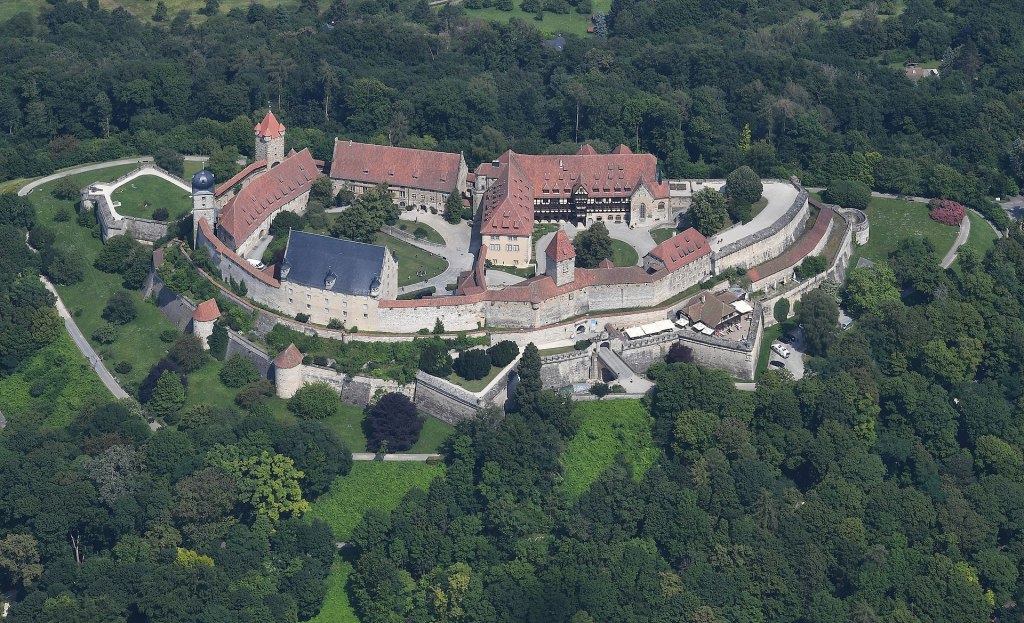
Aerial image of the Coburg Fortress By Carsten Steger – Own work, CC BY-SA 4.0, https://commons.wikimedia.org/w/index.php?curid=108179310

Psalm 118

1 O give thanks to the LORD, for he is good; his steadfast love endures forever!

2 Let Israel say, “His steadfast love endures forever.”

3 Let the house of Aaron say, “His steadfast love endures forever.”

4 Let those who fear the LORD say, “His steadfast love endures forever.”

5 Out of my distress I called on the LORD; the LORD answered me and set me in a broad place.

6 With the LORD on my side I do not fear. What can mortals do to me?

7 The LORD is on my side to help me; I shall look in triumph on those who hate me.

8 It is better to take refuge in the LORD than to put confidence in mortals.

9 It is better to take refuge in the LORD than to put confidence in princes.

10 All nations surrounded me; in the name of the LORD I cut them off!

11 They surrounded me, surrounded me on every side; in the name of the LORD I cut them off!

12 They surrounded me like bees; they blazed like a fire of thorns; in the name of the LORD I cut them off!

13 I was pushed hard, so that I was falling, but the LORD helped me.

14 The LORD is my strength and my might; he has become my salvation.

15 There are glad songs of victory in the tents of the righteous: “The right hand of the LORD does valiantly;

16 the right hand of the LORD is exalted; the right hand of the LORD does valiantly.”

17 I shall not die, but I shall live, and recount the deeds of the LORD.

18 The LORD has punished me severely, but he did not give me over to death.

19 Open to me the gates of righteousness, that I may enter through them and give thanks to the LORD.

20 This is the gate of the LORD; the righteous shall enter through it.

21 I thank you that you have answered me and have become my salvation.

22 The stone that the builders rejected has become the chief cornerstone.

23 This is the LORD’s doing; it is marvelous in our eyes.

24 This is the day that the LORD has made; let us rejoice and be glad in it.

25 Save us, we beseech you, O LORD! O LORD, we beseech you, give us success!

26 Blessed is the one who comes in the name of the LORD. We bless you from the house of the LORD.

27 The LORD is God, and he has given us light. Bind the festal procession with branches, up to the horns of the altar.

28 You are my God, and I will give thanks to you; you are my God, I will extol you.

29 O give thanks to the LORD, for he is good, for his steadfast love endures forever.

Psalm 118 has the flow of a moment of worship with a repetition which easily leads to a responsive feel between the primary speaker and the congregation gathered. This psalm closes the Egyptian hallel psalms used during the Passover meal in the Jewish tradition and is the psalm for both Palm Sunday and Easter in the lectionary for Christians. Although we cannot know how this psalm was used in the time after its composition it does echo in all four gospels as they tell of the entry of Jesus into Jerusalem before the crucifixion as well as numerous other echoes throughout the New Testament. Martin Luther, while he was hiding at Coburg Castle during the Diet of Augsburg inscribed the words of verse seventeen on the wall as a message of confidence and reassurance. (Nancy deClaisse-Walford, 2014, p. 868) This worship like song of praise has shaped the practice and faith of countless generations of both Jewish and Christian faithful.

The opening words of Psalm 118 are words frequently used in gathering people for worship or concluding a prayer in worship in the Hebrew Scriptures. Chronicles uses nearly identical wording to close for David’s first psalm of thanksgiving when the ark of the covenant is brought into the tent of God, Solomon uses it while dedicating the temple, and Jehoshaphat uses these words in his reformation.[1] Both Psalm 106 and 107 have the same words in their opening verse. Particularly with the opening of Psalm 107 which begins book five of the psalter and Psalm 118 beginning and ending with this statement about the goodness of the LORD and the hesed (steadfast love NRSV) of God enduring forever may form both a bookend for the psalm but also for this portion of the psalter. Psalm 118 on its own and this group of psalms (107-118) can be grouped together as a reflection on the goodness and the hesed of God.

Israel, the house of Aaron, and those who fear the LORD are all to declare that the LORD’s hesed endures forever. These are the same trio of groups called upon to trust the LORD in Psalm 115: 9-11 and to the initial readers it was likely an emphatic way of referring to all of Israel, although most modern readers hear the final verse as expanding this trust and proclamation beyond Israel to ‘those who fear the LORD’ throughout the nations. For Psalm 118 the focus in the first four and final verse on the hesed of the LORD prepares the hearer of the psalm to reflect on the verses in between as demonstrating and explaining the unending hesed of the LORD.

The speaker speaks of the LORD’s rescue of them from a tight space. The Hebrew word for distress (mesar) in verse five has the sense of “narrow,” “restricted,” or “tight.” (NIB IV:1154) Knowing this fuller meaning gives a more poetic flow to the verse as the speaker is taken from a tight or narrow space into a broad place. This rescue leads the psalmist to speak in trust in confidence in the LORD’s ability to deliver from anything that mortals and rulers (princes) may array against them. As the apostle Paul will later state to the church in Rome in an echo of this psalm, “If God is for us, who is against us.” (Romans 8:31b) The psalm echoes the common image of God as a refuge against these mortals and princes arrayed against them.

These enemies poetically swarm like bees, blaze like fire among thorns and push hard against the psalmist but the LORD cuts them off and helps the faithful one in distress. The words of verse fourteen through sixteen pulls on the words of the song of Moses in Exodus 15:1-18, ancient songs of faith whose words that become relevant to the psalmist’s experience of delivery. After the ordeal which pushed the psalmist hard but the LORD delivered, they can exclaim that “I shall not die, but I shall live, and recount the deeds of the LORD.”

Throughout the Hebrew scriptures there is a primary testimony that punishment and testing all come from God. Yet, even in that testing and punishment there is mercy where God does not abandon the psalmist and allows them to both endure the moment and enter into this time of praise and triumph. There is the movement through the gates of the righteous into the worship space where the psalmist can lift up his triumphal praise with the congregation of the faithful. Verse twenty-two which speaks of the stone the builders rejected probably referred to the psalmist originally (Nancy deClaisse-Walford, 2014, p. 868) but this psalm is used multiple times in the New Testament as a way of reflecting on the rejection and exaltation of Jesus.[2] This marvelous deliverance from the tight space to the broad place allows the psalmist and those gathered with him to realize that “this is a day that the LORD has made; let us rejoice and be glad in it.”

The psalm closes with what continues to feel like a triumphal procession which continues to seek the favor of the LORD as they celebrate the moment of triumph. As mentioned above, verse twenty-six echoes in the gospel narration of Jesus’ entry into Jerusalem before his crucifixion. Even if we may not fully grasp the specifics of the worship event in the psalm where the festal procession is bound with branches, the movement towards the altar and the temple is clear. The people and the psalmist process in thanksgiving and praise to celebrate the experience of deliverance because of the hesed of God. They continue to worship the God they experience as a good God of unending steadfast love (hesed).


[1] 1 Chronicles 16:34; 2 Chronicles 5:13; 7:2; 20:21.

[2] Mark 12: 10-11; Acts 4: 11; Ephesians 2: 20-21; 1 Peter 2: 4-8.

Psalm 107 The God of Steadfast Love Who Rescues

Rembrandt, Christ in the Storm (1633)

Psalm 107

 1O give thanks to the LORD, for he is good; for his steadfast love endures forever.
 2Let the redeemed of the LORD say so, those he redeemed from trouble
 3and gathered in from the lands, from the east and from the west, from the north and from the south.
 4Some wandered in desert wastes, finding no way to an inhabited town;
 5hungry and thirsty, their soul fainted within them.
 6Then they cried to the LORD in their trouble, and he delivered them from their distress;
 7he led them by a straight way, until they reached an inhabited town.
 8Let them thank the LORD for his steadfast love, for his wonderful works to humankind.
 9For he satisfies the thirsty, and the hungry he fills with good things.
 10Some sat in darkness and in gloom, prisoners in misery and in irons,
 11for they had rebelled against the words of God, and spurned the counsel of the Most High.
 12Their hearts were bowed down with hard labor; they fell down, with no one to help.
 13Then they cried to the LORD in their trouble, and he saved them from their distress;
 14he brought them out of darkness and gloom, and broke their bonds asunder.
 15Let them thank the LORD for his steadfast love, for his wonderful works to humankind.
 16For he shatters the doors of bronze, and cuts in two the bars of iron.
 17Some were sick through their sinful ways, and because of their iniquities endured affliction;
 18they loathed any kind of food, and they drew near to the gates of death.
 19Then they cried to the LORD in their trouble, and he saved them from their distress;
 20he sent out his word and healed them, and delivered them from destruction.
 21Let them thank the LORD for his steadfast love, for his wonderful works to humankind.
 22And let them offer thanksgiving sacrifices, and tell of his deeds with songs of joy.
 23Some went down to the sea in ships, doing business on the mighty waters;
 24they saw the deeds of the LORD, his wondrous works in the deep.
 25For he commanded and raised the stormy wind, which lifted up the waves of the sea.
 26They mounted up to heaven, they went down to the depths; their courage melted away in their calamity;
 27they reeled and staggered like drunkards, and were at their wits’ end.
 28Then they cried to the LORD in their trouble, and he brought them out from their distress;
 29he made the storm be still, and the waves of the sea were hushed.
 30Then they were glad because they had quiet, and he brought them to their desired haven.
 31Let them thank the LORD for his steadfast love, for his wonderful works to humankind.
 32Let them extol him in the congregation of the people, and praise him in the assembly of the elders.
 33He turns rivers into a desert, springs of water into thirsty ground,
 34a fruitful land into a salty waste, because of the wickedness of its inhabitants.
 35He turns a desert into pools of water, a parched land into springs of water.
 36And there he lets the hungry live, and they establish a town to live in;
 37they sow fields, and plant vineyards, and get a fruitful yield.
 38By his blessing they multiply greatly, and he does not let their cattle decrease.
 39When they are diminished and brought low through oppression, trouble, and sorrow,
 40he pours contempt on princes and makes them wander in trackless wastes;
 41but he raises up the needy out of distress, and makes their families like flocks.
 42The upright see it and are glad; and all wickedness stops its mouth.
 43Let those who are wise give heed to these things, and consider the steadfast love of the LORD.

This psalm of thanksgiving divides into four representative manners by which the faithful have been saved by their God: hunger and thirst, imprisonment and oppression, sickness and nearing death, and bombarded by wind and waves upon the sea. These four life threatening events are matched to the four cardinal directions of the compass in most English translations.[1] The LORD, the God of Israel, is the one who rescues from the wilderness of the desert and the dangers of the sea, from the bondage and oppression as well as sickness because of sinful ways. God responds to the cries of a lost and scattered people and provides them food and drink, recovery and rescue.

Like many psalms, this psalm focuses on the steadfast love (hesed) of God. God’s unending steadfast love is the reason for the song, but the steadfast love is recognized through the redemption that has been received. The desert wastes were a theme of both the people’s original journey from Egypt to the promised land, and an exilic theme as God promises the people a new exodus leading them from exile to their home. The land of Israel is bordered by the Syrian and Arabian deserts to the east as well as the Saharan desert to the south. Although there are fertile places in the Middle East, and much of Israel is a productive land, any extended travel over land involves traversing the desert. Within the desert waste it is very easy to become lost, and both food and water are precious commodities away from one’s home. Yet in the song they cry to the LORD and there is an immediate (in the progression of the text) reply to the cry of distress. The LORD hears the hungry and thirsty and satisfies them with good things. The LORD hears the lost and leads them on a straight path to a town where they can receive shelter and nourishment. Although hunger and thirst play a significant role in the narrative of the exodus and the words of the prophets pointing to a return to the promised land it is only mentioned here in the psalms, with the exception for hungering and thirsting for God (Psalm 42,43). (Mays, 1994, p. 345)

The second tribulation that the people cry out from is imprisonment and oppression. This also echoes the original situation of the people at the beginning of the exodus as well as the exile, yet the only other psalm that mentions imprisonment is Psalm 142. Here the imprisonment is because they rebelled and spurned the words of God and likely reflects the experience of the community in exile rather than one individual imprisoned, yet even this experience of imprisonment and oppression the people call, and God responds. No bronze doors or iron bars can prevent the LORD from rescuing the people of God when they cry out for deliverance.

The sickness experienced, like the imprisonment in the previous section, is a result of sin and iniquity. The Hebrew term translated sickness (‘awal) means ‘foolish ones.’ (Nancy deClaisse-Walford, 2014, p. 818) The petitioner is suffering as a result of their own actions, and they are at the point where they can no longer eat and stand at the gate of death. Yet even the gate of death is not too far for the LORD to hear their call and respond in steadfast love. Sickness and imprisonment, hunger and thirst, being lost in the desert and even lost at sea the people of God remainonly a cry away from the experience of the steadfast love of God.

Finally, the faithful are rescued from calamity on the sea. Seafaring was not a large part of Hebrew culture and the only other psalm speaking about the sea is Jonah’s prayer in Jonah 2. Yet, like the wanderers lost in the desert these seafarers are lost in the wind and waves of the sea. Once again, the mighty wonders of the LORD on the sea may terrify, but the LORD’s mighty deliverance is reason for praise. Sailors are reduced to reeling like drunkards until the LORD delivers them from the wind and waves which threaten their ship and their lives. The action of Jesus to still the wind and the waves with a word[2] echoes the obedience of the waves and wind to the LORD in verse twenty-nine. The LORD brings those lost at sea back to a haven.

Martin Luther captures the essence of this psalm which responds to all the LORD has done when he states, “For all of this I owe it to God to thank and praise, serve and obey him.” (Luther, 1978, p. 25) Later hymnwriters would try to lift up their thanks in songs like William Whitings “Eternal Father, Strong to Save” and Martin Rinkhart’s “Now Thank We All Our God.” For God has led God’s people through desert and sea, sickness and suffering. Yet, God can also turn the fertile places to infertile. The princes who wield power are humbled before the power of the LORD, but the humble crying out for deliverance are saved. The God of the psalms is the God who created and sustains the heavens and the earth. This God can turn the current reality in creation upside down: deserts can become fertile, while rivers can run dry, storms can be stilled, and even the chaotic sea tamed. The Weak can turn to their God of steadfast love for deliverance but the proud and foolish princes may find their way frustrated by the same God. Wisdom to the psalmist is considering the steadfast love of God which does amazing things for the faithful ones who cry out for deliverance.


[1] No Hebrew Manuscript has ‘south’ in verse three. Instead in Hebrew the word is sea, and several other translations also have sea (including the Septuagint and the Vulgate). 

[2] Matthew 8: 23-27, Mark 4: 35-41, Luke 8: 22-25.

Psalm 103 A Meditation on the Steadfast Love of God

A Frosty Morning By USFWS Mountain-Prairie – A Frosty Morning, Public Domain, https://commons.wikimedia.org/w/index.php?curid=110781726

Psalm 103

Of David.
 1Bless the LORD, O my soul, and all that is within me, bless his holy name.
 2Bless the LORD, O my soul, and do not forget all his benefits —
 3who forgives all your iniquity, who heals all your diseases,
 4who redeems your life from the Pit, who crowns you with steadfast love and mercy,
 5who satisfies you with good as long as you live so that your youth is renewed like the eagle’s.
 6The LORD works vindication and justice for all who are oppressed.
 7He made known his ways to Moses, his acts to the people of Israel.
 8The LORD is merciful and gracious, slow to anger and abounding in steadfast love.
 9He will not always accuse, nor will he keep his anger forever.
 10He does not deal with us according to our sins, nor repay us according to our iniquities.
 11For as the heavens are high above the earth, so great is his steadfast love toward those who fear him;
 12as far as the east is from the west, so far he removes our transgressions from us.
 13As a father has compassion for his children, so the LORD has compassion for those who fear him.
 14For he knows how we were made; he remembers that we are dust.
 15As for mortals, their days are like grass; they flourish like a flower of the field;
 16for the wind passes over it, and it is gone, and its place knows it no more.
 17But the steadfast love of the LORD is from everlasting to everlasting on those who fear him, and his righteousness to children’s children,
 18to those who keep his covenant and remember to do his commandments.
 19The LORD has established his throne in the heavens, and his kingdom rules over all.
 20Bless the LORD, O you his angels, you mighty ones who do his bidding, obedient to his spoken word.
 21Bless the LORD, all his hosts, his ministers that do his will.
 22Bless the LORD, all his works, in all places of his dominion. Bless the LORD, O my soul.

This poem of blessing and praise attempts to capture the fulness of God’s steadfast love and compassion from the experience of the individual, the community of the faithful, and all of creation. This psalm is not an acrostic[1] but like an acrostic poem it is twenty-two lines long and it is likely that the author is using form to denote a whole or complete treatment of the steadfast love and compassion of God. In twenty-two lines the poet covers a remarkable breath of issues. Rolf A. Jacobson can state,

Psalm 103 is a wide-reaching hymn of praise that reaches out and touches most of the great theological issues of life and faith—sin and forgiveness, sickness and health, oppression and vindication, God’s election of Israel and the gift of the law, God’s transcendence and God’s mercy, human mortality and divine immortality, and the reign of God. (Nancy deClaisse-Walford, 2014, p. 759)

This psalmist joins its voice with the hosts of heaven and the works of God’s creation in lifting their humble blessing on the God of steadfast love and compassion.

This is a psalm where a little knowledge of Hebrew can bring a lot of richness to one’s reading because translations restrict the meaning of some key Hebrew ideas. “Bless,” Hebrew barak, originally meant to bow in homage to one’s king or lord and it does not have the connotation of providing a gift or benefit that the English bless/blessing has. This poem or praise or worship is framed by “bless” and the imperative to “bless” begins with the psalmist and then extends to the heavens and earth joined by the psalmist’s “soul.” “Soul” in Hebrew thought, Hebrew nephesh, is not the Greek idea of a soul which is different from the body but instead is the essence of life and the totality of oneself. It is not only the spiritual Greek “soul” which is to praise God but the center of one’s life and everything else that is a part of the psalmist joined in the action of praising God’s name.

Martin Luther’s contemporary Philip Melanchthon once stated memorably in his Loci Communes, “that to know Christ is to know his benefits.” (Melanchthon, 2014, p. 24) Now this psalm attributed to David[2] reflects on several of the primary characteristics of God and their benefits for the psalmist and all of creation. The thirteen attributes articulated in Exodus 34: 6-7 provide the language for much of reflection on God’s characteristics throughout the scriptures. In the aftermath of the golden calf, God has chosen not to destroy the people of Israel and declares to Moses:

The LORD passed before him, and proclaimed,

“The LORD, the LORD,

a God merciful and gracious,

slow to anger,

and abounding in steadfast love and faithfulness,

7 keeping steadfast love for the thousandth generation,

 forgiving iniquity and transgression and sin,

yet by no means clearing the guilty,

but visiting the iniquity of the parents upon the children

and the children’s children,

to the third and the fourth generation.”

The psalmist begins with the LORD’s action of forgiving iniquity which is linked to the healing of diseases. The word for diseases can refer to illness, weakness, or pains that come from hunger, famine, disease, or old age (Nancy deClaisse-Walford, 2014, p. 763) and the cause of  ‘disease’ is often a punishment for iniquity in Hebrew thought.[3] Yet, it is the forgiveness of the LORD which brings about the rescue from death for this poet. The rescue from the Pit may be a time when their life was at death’s door or it may be a metaphor for God’s rescue from a time of urgency, but regardless the psalmist has benefited from the forgiving nature of the LORD for the LORD’s servant and the poet understands the benefits they have received from their God.

Instead of crowning the psalmist with gold or silver they are crowned with steadfast love and mercy. Steadfast love and mercy are traits associated with God and God has reached into the divine character to place these traits upon the servant of the LORD. Steadfast love, Hebrew hesed, is the central feature attributed to God and hesed is the root of the New Testament concept of the grace of God. Hesed is a relational love and within this psalm God’s hesed is for those who fear him. Hebrew thought is covenantal in nature and the steadfast love of God is tied to the fear, honor, and respect of God’s people. Transgressions can be removed but the mercy of God is only known in relationship with the LORD. Frequently in the psalms hesed is paired with faithfulness, but in this psalm and other psalms relating to human sin and divine anger resolved by faithfulness it may instead be paired with compassion/mercy. [4](Mays, 1994, p. 328) The psalmist trusts that God’s hesed and mercy/compassion will prevail over any anger at the transgressions of either the psalmist or the people.

The dimensions of the “steadfast love”/hesed of God and the forgiveness of God are measured by the vastness of the heavens. The vertical distance between the heavens and the earth are used metaphorically to speak of the unmeasurable hesed of God. Yet, although English translations obscure this, the length of the heavens is used to envision God’s forgiveness of transgressions. The Hebrew behind “as far as the east is from the west,” is literally rendered as distant as the sunrise (rising) is from the sunset (setting). The compassion/mercy of the LORD is compared to the compassion of a father for their child. God’s steadfast love and forgiveness are as vast as can be comprehended and yet God’s compassion is as tender and intimate as what one hopes to experience within the family.

The immeasurability of the steadfast love of God and the forgiveness of God is contrasted by the impermanence of God’s human servants. The psalm picks up the play on words of Genesis 3:18 “you are dust, and to dust you shall return.”[5] The impermanence of humanity is poetically rendered by the metaphors of dust and grass, flowers and wind. In contrast to the impermanence of humanity is the permanence of the hesed of God which lasts from everlasting to everlasting to those who live in faithfulness to the covenant and obedience to the commandments. The steadfast love of God in Hebrew is a relational concept and the gracious, eternal, and forgiving love of God is tied to the fear, respect, obedience, and faithfulness of the servant.

The psalm ends where it begins, in ‘blessing’ the LORD. The blessings begin with the angels and the hosts and ministers of the LORD and then extends to all the works of God’s hands (the creation of God) and finally resides in the voice of this poet praising God in harmony with all creation. The psalmist has seen the way God has crowned their life with the attributes of God, and they have come to celebrate the benefits of living in a relational covenant of steadfast love and compassion/mercy with their God. Martin Luther would later echo the sentiment of the psalmist in reflecting on God’s act of creation when he stated, “For all this I owe it to God to thank and praise, serve and obey him. This is most certainly true.” (Luther, 1978, p. 25) Like the psalmist we can reflect upon the benefits of this life lived in blessing and praise of God, we can marvel at the immeasurable depth of God’s steadfast love and forgiveness, and we can strive to live in faithful obedience to the God whose love and compassion shape our lives.


[1] In an acrostic poem each line begins with a successive letter in the alphabet. In Hebrew there are twenty-two letters and a multiple of twenty-two is often a clue that a psalm or other Hebrew poetry is acrostic. Acrostic poetry tends to denote dealing with a topic in a complete manner.

[2] Some scholars attribute this psalm to a post-monarchical period and point to the reference to Moses instead of a king as evidence of this reaching back to a pre-Davidic period for a foundation for their faith. Although this historical reconstruction is possible, it is also possible that a psalm written by David, particularly before he is king, would refer back to the last common leader of the people of Israel and the creator of the law.

[3] Although this is not absolute. Within Deuteronomic thought suffering and illness is linked to iniquity, but there are significant counter voices like Job which challenge this linkage.

[4] Psalm 51:1; 77: 7-10.

[5] The name Adam in Genesis 3 is taken from the Hebrew word for soil/ground adamah. In both the psalm and Genesis 3 the word for dust is aphar, but even though the Hebrew utilizes two words in the wordplay the connection between the two words is clear in Genesis 3.

Psalm 62 Truly Faith Surrounds My Troubles

Wartburg Castle, Eisenach, Germany. Photo by Robert Scarth shared under creative commons 2.0

Psalm 62 Truly Faith Surrounds My Troubles

<To the leader: according to Jeduthun. A Psalm of David.>

1 For God alone my soul[1] waits in silence; from him comes my salvation.
2 He alone is my rock and my salvation, my fortress; I shall never be shaken.
3 How long will you assail a person, will you batter[2] your victim, all of you, as you would a leaning wall, a tottering fence?
4 Their only plan is to bring down a person of prominence. They take pleasure in falsehood; they bless with their mouths, but inwardly they curse. Selah
5 For God alone my soul waits in silence, for my hope is from him.
6 He alone is my rock and my salvation, my fortress; I shall not be shaken.
7 On God rests my deliverance and my honor; my mighty rock, my refuge is in God.
8 Trust in him at all times, O people; pour out your heart before him; God is a refuge for us. Selah
9 Those of low estate are but a breath, those of high estate are a delusion; in the balances they go up; they are together lighter than a breath.
10 Put no confidence in extortion, and set no vain hopes on robbery; if riches increase, do not set your heart on them.
11 Once God has spoken; twice have I heard this: that power belongs to God,
12 and steadfast love belongs to you, O Lord. For you repay to all according to their work.

In poetry structure can frequently be used to help those familiar with the medium understand the words at a deeper level. In this psalm there are a number of structural elements that are often missed in the English translations that help provide emphasis in the psalm of trust amidst trouble. The placement of this psalm between Psalm 61 and Psalm 63 (also psalms which declare the psalmist’s trust in God above all other things) also emphasizes this common theme. The “trilogy of trust” within the psalms, as J. Clinton McCann labels Psalm 61-63, (NIB IV:922) stand near the end of the petitions for help in this portion of the book of psalms. Even though the psalmist’s world is full of people who murder reputations with their duplicitous ways, the way of faith knows that God’s steadfast love will outlast the scheming of mortals.

Invisible to most English translations of this psalm is the repetition of the Hebrew ‘ak which begins verses 1,2,4,5,6 and 9. This word, translated ‘alone’ and ‘only’ in the NRSV, is used four times in relation to God and twice in relation to the working of humans. There is a strong emphasis on God ‘alone’ providing strength which thwarts the ‘only’ plans of those who are but a breath. In addition to this structural repetition is the nearly identical wording of verses 1-2 and 5-6. The complaints about the enemies who are assailing the psalmist and attempting to bring them down from prominence are structurally surrounded by God alone, who they wait for in silence. The psalmist may appear like a leaning wall or a tottering fence, but they are surrounded by their rock, salvation, and fortress. The faithful one can remain in silence while the wicked ones utter falsehoods for they know that this struggle takes place within the sheltering space of their God who will not allow them to be shaken. Even trouble is surrounded by faith and the deliverance from the ephemeral evils produced by the wicked rests in the hands of God who rescues not only life but also honor and reputation.

In verse eight the psalm transforms from personal trust to testimony. Now the psalmist takes on the role of the instructor to the people handing on the trust they have learned. What humans can do alone without God (in verse 9 this is the final time the Hebrew ‘ak occurs) is to be a breath or a puff of air. God alone can be salvation, rock, fortress, deliverance, and honor. Placing trust in human scheming, extortion, robbery, and even riches is foolishness. It is in God, not humans and their schemes, where power rests. It is God’s hesed (steadfast love) that is the guarantee of the future for the faithful. The actions of the faithful and the foolish are seen by God and the psalmist trusts that ultimately God’s steadfast love and power will lift up the righteous and bring down those who are working in falsehood to destroy the honor and perhaps even the life of the faithful ones.


[1] Although the Hebrew nephesh is often translated ‘soul,’ the Hebrew understanding of ‘soul’ is closer to ‘life’ than the Greek conception of soul most English speakers assume. The Hebrew idea is inseparable from the life of the individual.

[2] A more literal translation of the Hebrew rasah here would be ‘kill’ or ‘murder’ (NIB IV:923)

Psalm 59 God’s Steadfast Love as an Alternative to the Dog-Eat-Dog Worldview

Battle between Cimmerian cavalry, their war dogs, and Greek hoplites, depicted on a Pontic plate

Psalm 59 God’s Steadfast Love as an Alternative to the Dog-Eat-Dog World

<To the leader: Do Not Destroy. Of David. A Miktam, when Saul ordered his house to be watched in order to kill him.>

1 Deliver me from my enemies, O my God; protect me from those who rise up against me.
2 Deliver me from those who work evil; from the bloodthirsty save me.
3 Even now they lie in wait for my life; the mighty stir up strife against me. For no transgression or sin of mine, O LORD,
4 for no fault of mine, they run and make ready. Rouse yourself, come to my help and see!
5 You, LORD God of hosts, are God of Israel. Awake to punish all the nations; spare none of those who treacherously plot evil. Selah
6 Each evening they come back, howling like dogs and prowling about the city.
7 There they are, bellowing with their mouths, with sharp words on their lips — for “Who,” they think, “will hear us?”
8 But you laugh at them, O LORD; you hold all the nations in derision.
9 O my strength, I will watch for you; for you, O God, are my fortress.
10 My God in his steadfast love will meet me; my God will let me look in triumph on my enemies.
11 Do not kill them, or my people may forget; make them totter by your power, and bring them down, O Lord, our shield.
12 For the sin of their mouths, the words of their lips, let them be trapped in their pride. For the cursing and lies that they utter,
13 consume them in wrath; consume them until they are no more. Then it will be known to the ends of the earth that God rules over Jacob. Selah
14 Each evening they come back, howling like dogs and prowling about the city.
15 They roam about for food, and growl if they do not get their fill.
16 But I will sing of your might; I will sing aloud of your steadfast love in the morning. For you have been a fortress for me and a refuge in the day of my distress.
17 O my strength, I will sing praises to you, for you, O God, are my fortress, the God who shows me steadfast love.

Many of the Psalms in this section of the psalter are attributed to the time when David’s life is continuously under threat from his king and father-in-law Saul.[1] These desperate pleas to God, which can fit a number of circumstances that people encounter in a world, are an underutilized portion of Psalms. They are perhaps overlooked because they may appear too vengeful for some Christians, but they point to a resilient faith in the reality of God’s steadfast love in the midst of a world of dogged opposition. The psalmist trusts that God’s protection will allow them to see their opponents punished for their unjust violence they have done and will vindicate their continued trust in their God which allows them to opt out of the dog-eat-dog mindset of competitive violence.

God is the one who must deliver the psalmist from their situation. The psalm is a series of imperatives directed at God: deliver, protect, deliver, save, (1-2) rouse, come, see, awake, spare none, (4-5) make them totter, (11) and consume (twice in verse 13). Immediately the psalmist begins with an impassioned appeal for God to save them from dire circumstances that are created by enemies who are conspiring against them. These evil working and bloodthirsty ones continually create a world of conflict and violence for the poet despite their innocence. The psalmist emphasizes their innocence by utilizing the three major Hebrew words for ‘sin’[2] and declaring they are without fault, transgression, or sin. This three-fold appeal to the psalmist innocence is followed by a three-fold titling of God: LORD (the divine name of God) God of hosts (a militaristic image of God as the leader of armies) and God of Israel (the God of the chosen people). God is one who can be called upon by name, and yet has the power to aid in conflicted situation, and is also the God who stands with the chosen people in the midst of the nations. The psalmist trusts that the God that they call upon is able to save and deliver them from this world of trouble created by their persistent and unjust enemies.

The metaphor used in this psalm for the enemies is dogs. They prowl like a pack, and they wound with their words. They continue to prowl the city and utter their threatening howls which inform the poet that there is no time when they are free of their presence. These enemies consider themselves strong but all their growling, prowling, and howling ultimately evoke laughter from God. In Psalm 52:6 the righteous laughed at the foolish and violent enemies, but here it is God who laughs at these violent ones who take themselves and their power so seriously. Their strength when compared to the protective and sheltering strength of the God of Israel or the liberating strength of the God of Hosts is laughable, and their boasts are hollow. The faithful and innocent one trusts that God’s steadfast love (hesed) will ultimately be the final word and will put these dogged opponents in their place.

This prayer comes from the perspective of one who is struggling in an unjust world and is calling upon God to act decisively against their oppressors. Perhaps one of the reasons this Psalm is seldom used is the desire for vengeance against one’s enemies and there is some danger when those in a privileged position view themselves as oppressed and use that narrative to justify their own actions of oppression. Yet, in the Psalms the actor who restores the oppressed one to justice is always God. Here the psalmist wishes not for a quick removal of the enemy, but a staggering but not fatal blow where the enemy becomes the unwitting example of God’s justice that is not quickly forgotten. As Bellinger and Brueggemann can say appropriately, “even in its most confident faith Israel can be honest about its resentments and its hope for vengeance and retaliation.” (Brueggemann 2014, 266) The psalmist is maintaining their innocence and committing themselves to God’s steadfast love and justice.

This psalm again confronts us with the distance between the world as it is experienced by the psalmist in this moment of their life and the world as it should be under the steadfast love of God. As J. Clinton McCann can aptly summarize the world the psalmist experiences, “What we end up with is a dog-eat-dog world, a culture of cut-throat competition in which we’re convinced that no one will look out for us if we don’t look out for ourselves.” But the psalm points to “a deeper reality, an alternative world, which is drive not by the lust for power but by the power of love.” (NIB IV:914) In the belief of the psalmist, we may begin with the need for deliverance from the dog-eat-dog mindset of competitive violence. The final words in this psalm and in worldview of the psalmist is God’s steadfast love (hesed). The wise live their lives oriented towards this deeper reality where the lust for power will be proven foolish and the power of God’s steadfastlove will endure.

[1] The superscription refers 1 Samuel 19: 8-17 when Saul has David’s home watched and Michal (David’s wife and Saul’s daughter) helps David escape and deceives her father.

[2] NRSV translates these words as ‘transgressions,’ ‘sin,’ and ‘fault’ in verses three and four.

Psalm 57 Fleeing to the Steadfast Love and Faithfulness of God

James Tissot, Moses and Joshua in the Tabernacle (1896-1902)

Psalm 57

<To the leader: Do Not Destroy. Of David. A Miktam, when he fled from Saul, in the cave.>
1 Be merciful to me, O God, be merciful to me, for in you my soul[1] takes refuge; in the shadow of your wings I will take refuge, until the destroying storms pass by.
2 I cry to God Most High, to God who fulfills his purpose for me.
3 He will send from heaven and save me, he will put to shame those who trample on me. Selah God will send forth his steadfast love and his faithfulness.
4 I lie down among lions that greedily devour human prey; their teeth are spears and arrows, their tongues sharp swords.
5 Be exalted, O God, above the heavens. Let your glory be over all the earth.
6 They set a net for my steps; my soul was bowed down. They dug a pit in my path, but they have fallen into it themselves. Selah
7 My heart is steadfast, O God, my heart is steadfast. I will sing and make melody.
8 Awake, my soul![2] Awake, O harp and lyre! I will awake the dawn.
9 I will give thanks to you, O Lord, among the peoples; I will sing praises to you among the nations.
10 For your steadfast love is as high as the heavens; your faithfulness extends to the clouds.
11 Be exalted, O God, above the heavens. Let your glory be over all the earth.

Many of the psalms deal with common themes and use common language. Already in the psalter we have seen psalms repeated[3] and verses 7-11 of Psalm 57 are identical with the beginning of Psalm 108. Well chosen words can make sense within multiple contexts, and the ending of a psalm spoken from the place of trouble (Psalm 57) can be the beginning of a prayer for victory (Psalm 108). For the psalmist, the steadfast love (Hebrew hesed) and faithfulness of God are “the pervasive, fundamental realities of the universe.” (NIB IV, p. 906) The present experience of trouble does not prevent the faithful poet from relying on these realities to provide hope beyond the present moment and meaning in the storms of life they are currently experiencing. With the fundamental realities of the universe being the steadfast love God and the faithfulness of God, the wicked ones which inflict harm and threaten death will find themselves unable to destroy the one finding shelter in the shadow of the wings of God.

The faithful one flees to the presence of God who is their refuge. The powerful image of being sheltered under the wings of God appears for a second time[4] in the psalter and now these wings provide shelter in the midst of the destructive storms (physical or metaphorical) occurring in the psalmist’s life. God provides a safe place in the midst of the troubles, God still has a purpose for the psalmist to fulfill, God will intervene between the faithful one and those who are currently oppressing them. God will send forth the restorative powers of steadfast love and faithfulness which will transform the reality the poet is experiencing and bring an end to the destructive storms.

The opponents here are portrayed metaphorically as lions who devour prey with their sharp teeth and sword like tongues. Perhaps what the psalmist is experiencing is a world where malicious gossip is destroying their name and bringing them shame. If this is the case, those who wound with tongue and tooth and trample with feet to bring shame will be put to shame themselves. Those who set (verbal or physical) snares will find themselves caught within their own snare. The harm the words and actions of these enemies portrayed as lions and hunters are real, and while the poem may speak in metaphors they are not talking about abstract concepts, but the experience of living in a world where individuals wound with words, set traps for the righteous, and use shame to attempt to bring down the faithful.

The psalmist who flees to God’s protective presence, who rests under God’s sheltering wings, and who longs for the expected steadfast love and faithfulness of God knows that their future depends upon God answering their cry. They call upon God to be the God who sees the trampled one and to deliver them. God’s faithful action on their behalf is a demonstration of the reign of God over the earth. They remain steadfast in their heart, the organ of the will in Hebrew thought. Those who have shamed them have now been shamed and their honor (see note 2) now awakens along with their song. They cry out in hope to the dawn, lifting up their song of thanksgiving among their own people and the nations. The steadfast love of God has proven to be as high as the heavens, the faithfulness of God surpasses the earth and extends to the clouds of the sky. The glory of God is over all the earth, and the steadfast love and faithfulness of God have proven to be “the pervasive, fundamental realities of the universe.”

[1] What the NRSV translates ‘soul’ throughout this psalm (with the exception of verse 8) is the Hebrew nephesh which refers to ‘the whole self’ or that which makes a person a person rather than the Greek idea of soul which is separate from life. The Hebrew way of thinking is not about an escape to heaven, but the engagement with the whole of life in the present.

[2] Here the Hebrew kabod refers to ‘honor.’ The NRSV reads this as the similar sounding kabed ‘liver’ in its translation of the word as soul.

[3] Psalm 53 is a close twin of Psalm 14

[4] This imagery is also used in Psalm 17:8, 61:4, 63:7 and 91:4.

Psalm 44 Demanding a Fulfillment of God’s Covenant Promises

Love is Not a Victory March by Marie -Esther@deviantart.com

Psalm 44

<To the leader. Of the Korahites. A Maskil.>
1 We have heard with our ears, O God, our ancestors have told us,
what deeds you performed in their days, in the days of old:
2 you with your own hand drove out the nations, but them you planted;
you afflicted the peoples, but them you set free;
3 for not by their own sword did they win the land, nor did their own arm give them victory;
but your right hand, and your arm, and the light of your countenance, for you delighted in them.
4 You are my King and my God; you command victories for Jacob.
5 Through you we push down our foes; through your name we tread down our assailants.
6 For not in my bow do I trust, nor can my sword save me.
7 But you have saved us from our foes, and have put to confusion those who hate us.
8 In God we have boasted continually, and we will give thanks to your name forever. Selah
9 Yet you have rejected us and abased us, and have not gone out with our armies.
10 You made us turn back from the foe, and our enemies have gotten spoil.
11 You have made us like sheep for slaughter, and have scattered us among the nations.
12 You have sold your people for a trifle, demanding no high price for them.
13 You have made us the taunt of our neighbors, the derision and scorn of those around us.
14 You have made us a byword among the nations, a laughingstock among the peoples.
15 All day long my disgrace is before me, and shame has covered my face
16 at the words of the taunters and revilers, at the sight of the enemy and the avenger.
17 All this has come upon us, yet we have not forgotten you, or been false to your covenant.
18 Our heart has not turned back, nor have our steps departed from your way,
19 yet you have broken us in the haunt of jackals, and covered us with deep darkness.
20 If we had forgotten the name of our God, or spread out our hands to a strange god,
21 would not God discover this? For he knows the secrets of the heart.
22 Because of you we are being killed all day long, and accounted as sheep for the slaughter.
23 Rouse yourself! Why do you sleep, O Lord? Awake, do not cast us off forever!
24 Why do you hide your face? Why do you forget our affliction and oppression?
25 For we sink down to the dust; our bodies cling to the ground.
26 Rise up, come to our help. Redeem us for the sake of your steadfast love.

Psalm 44 is an audacious psalm of a community that dares to articulate their disappointment with God’s perceived faithfulness. The psalm moves sequentially from the plural voice of the speaking community to the singular voice of a leader in a responsive plea as we move through the psalm. The community remembers the past, the stories they heard of how God did act in powerful ways in the days of their ancestors and contrasts the promises of their ancestors with their experience of God’s inattention to the covenant God made with the people. The people, amid their crisis, have expected more of God in the present and boldly demand more of God for the future.

Working through books like the Psalms and Jeremiah have made me realize how impoverished much Christian spirituality is because of our unfamiliarity with the protests of the prophets and the laments of the psalmists. Our Jewish ancestors and contemporaries in the faith tend to speak more openly in protest to God when unjust suffering is felt by the individual or by the nation. The Hebrew scriptures have the entire book of Job which wrestles with, but never truly answers, the question of unjust suffering. The faithful need a way to express their anger, disappointment and perplexity when the unfairness of the world causes the faithful to suffer when they have done nothing to merit that suffering. They need to trust that God can hear and will act on these audacious cries of the community.

As I was reflecting on this Psalm I was reminded of the powerful and painful words of Zvi Kolitz’s fictional Jewish man dying in the Warsaw Ghetto uprising in Yosl Rakover Talks to God:

I die at peace, but not pacified, conquered and beaten but not enslaved, bitter but not disappointed, a believer but not a supplicant, a lover of God but not His blind Amen-sayer.

I have followed Him, even when he pushed me away. I have obeyed his commandments, even when He scourged me for it. I have loved him, I have been in love with Him and remained so, even when He made me lower than dust, tormented me to death, abandoned me to shame and mockery…

Here, then, are my last words to You, my angry God: None of this will avail you in the least! You have done everything to make me lose my faith in You, to make me cease to believe in You. But I die exactly as I lived, an unshakable [sic] believer in You. (Davis, 2001, p. 134)

In this psalm the Jewish ancestors, who handed on their tradition and faith to Zvi Kolitz, have continued to believe and trust in God when God appears to have abandoned them to shame and mockery. The psalmist can love God but is not pacified and will not be God’s blind amen speaker. They call upon the traditions and stories of their people, the resilience of their faith and their covenant with God and demand that God be the God that the covenant promised.

The first three verses of the psalm are spoken in the assembled voice of a community demonstrating that the actions of God in the past have been handed on from generation to generation to the present community. The specific memory recalled is the memory of the book of Joshua when the people of Israel is brought into the promised land by the strength of God’s action rather than their own military prowess. God is remembered as the one who uprooted their enemies and planted them in a land that they now consider their home. God acted on their behalf and against their enemies. In the fourth verse an individual speaks of their allegiance to God and their reliance upon the strength of God. In verse five the community responds that it is through God’s power that they can triumph over their foes and adversaries. Verse six returns to the voice of an individual stating that their own weapons of war cannot deliver them. Verses seven and eight conclude this liturgical back and forth in the voice of the people stating that God has saved them, confused those who hate them and in response they have boasted and given thanks. The first eight verses echo with the sounds of remembrance, praise and thanks but something has changed in the community’s life that will reverberate in the remaining two thirds of the psalm. Something has turned the community that boasts in God and gives thanks into a community that will accuse God.

Yet becomes the pivot point of the psalm. In verse nine we abruptly pivot from adoration to abandonment. God was the one who was trustworthy in the past for the ancestors of the psalmist, but God seems to have left the people on their own in their current crisis. In a conversation when you have a string of compliments followed by a ‘but’ or in this case a ‘yet’ everything before recedes into the background. In the psalm the ‘yet’ allows the action of God for God’s people in the past to recede from view as the current experience of rejection and abandonment comes forward to occupy the central position in the community of the speaker. The present has overwhelmed the past. The experience of God’s absence at this critical time in the community’s life highlights several difficult questions.

Rabbinic tradition links Psalm 44 to the time of the persecutions of Antiochus IV Epiphanes, who reigned as a part of the Seleucid Empire between 168 and 164 BCE. (Nancy deClaisse-Walford, 2014, p. 409) If this is the case it would make it one of the later pieces of the Hebrew Scriptures, written in a similar time to the book of Daniel in most scholars estimation. The reason this time period would be significant in the story of the people of Jerusalem is that it also marks one of the points when a foreign empire would attempt to disrupt the worship of the God of Israel and force the Jewish people to conform to the Hellenistic beliefs and practices of the empire. Those who remained faithful were subject to persecution or execution as Antiochus IV Epiphanes attempted use military force to enforce conformity. The Jewish uprising in 167 or 168 BCE would eventually be successful allowing the reestablishment of the temple and a brief period of independence for the Judean people. The rededication of the temple after this revolt is celebrated in Hanukkah each year and is told in the narratives of 1 and 2 Maccabees, which is a part of the apocrypha for many Christians.

Whether the situation in the psalm refers concretely to the persecution under Antiochus IV or another situation of crisis it brings the community to the point where they wrestle with the perceived absence of God in a critical situation. The psalm moves beyond lament and into accusation. As Walter Brueggemann and William Bellinger, Jr. can state insightfully: “Verses 9-12 describe the defeat of Israel with a series of “you” statements that fix the blame singularly on YHWH, from whom better had been expected.” (Brueggeman, 2014, pp. 209-210) The accusations are told in terms of a military defeat with the language of plunder, in the agricultural language of sheep led to slaughter, in the language of the marketplace where the people are sold for a small price showing their insignificance to their master, and finally in the language of honor where the people’s honor is mocked by their neighbors and they have become a byword, a pithy example, of shame among the nations. In this psalm their God has failed to be the warrior they could trust in, the good shepherd who would lead them faithfully, the God who held them as a treasured possession, and the one who by honoring the name of God would allow them to be honored among the nations. At this critical moment God has failed to live up to the terms of the promises God made to the people. The pain and disappointment of the moment has transformed into a “moral claim against God.” (Brueggeman, 2014, p. 211)

Even though it appears that God has broken faith with the people the people have not broken faith with God. As the poet and their community wrestle with why they are suffering unjustly they look and examine if they have turned away from God in some manner and their answer is ‘No.’ They have not forgotten, they have remembered. The psalmist is confident that they have remained faithful to the covenant that God made with them and so they utter these words in protest at the way God appears to have defaulted on the covenant. Yet, even during the accusations and disappointment the psalmist knows that the resolution relies upon God’s action. They demand God rouse, awake, cease hiding, remember and redeem. They have been sold yet they can be bought again, they have experienced death, but they trust that God can bring life, they have experienced defeat but if God again fights for them, they will experience victory. They call upon the hesed (steadfast love) of God as their only hope of redemption.

This experience of isolation is brought into one of the great expressions of God’s unwavering faithfulness when the twenty second verse of this psalm is placed in the middle of the Paul’s triumphal statement that nothing will separate us from the love of God in Christ Jesus our Lord in Romans 8: 31-39. Paul argues to the early Christians that even when they experience situations where they may perceive their own weakness and their distance from God that God’s steadfast love, experienced in Christ, will not be broken. One of the gifts of having both Psalm 44 and Romans 8 is being able to hold faith and experience in tension. There may be times where it feels like God is absent or has failed to uphold God’s promises to the individual or the community and yet the faith insists that God’s steadfast love will ultimately overcome the separation. If this is the psalm of a community that endured the persecution of Antiochus Epiphanies IV it would also be the psalm of a community that would see that tyrants reign end and their redemption come. They saw God’s redemption and could see their circumstances transformed from dishonor to honor. Yet, not every situation has a happy ending and there may be some within the people of faith who can utter at the end the fictional words quoted above:

You have done everything to make me lose my faith in You, to make me cease to believe in You. But I die exactly as I lived, an unshakable [sic] believer in You

One of the gifts of the scriptures we have is that they are broad enough to accommodate the various experiences of the faithful ones and give language for their prayers in the times of isolation and celebration. Psalm forty-four is a prayer from the place of isolation that boldly demands that God uphold God’s promises and has the courage to accuse God based upon the faithful one’s experience of suffering.

Psalm 36: The Way of God and the Way of the Wicked

Psalm 36

<To the leader. Of David, the servant of the LORD.>
1 Transgression speaks to the wicked deep in their hearts; there is no fear of God before their eyes.
2 For they flatter themselves in their own eyes that their iniquity cannot be found out and hated.
3 The words of their mouths are mischief and deceit; they have ceased to act wisely and do good.
4 They plot mischief while on their beds; they are set on a way that is not good; they do not reject evil.
5 Your steadfast love, O LORD, extends to the heavens, your faithfulness to the clouds.
6 Your righteousness is like the mighty mountains, your judgments are like the great deep; you save humans and animals alike, O LORD.
7 How precious is your steadfast love, O God! All people may take refuge in the shadow of your wings.
8 They feast on the abundance of your house, and you give them drink from the river of your delights.
9 For with you is the fountain of life; in your light we see light.
10 O continue your steadfast love to those who know you, and your salvation to the upright of heart!
11 Do not let the foot of the arrogant tread on me, or the hand of the wicked drive me away.
12 There the evildoers lie prostrate; they are thrust down, unable to rise.

Martin Luther, borrowing from St. Augustine, could talk about sin as a state of incurvatus in se (being turned/curved inward on oneself) in contrast to the will of God which curves the individual outward towards both God and neighbor. I borrow this phrase because I find it helpful in the psalms thinking about the contrast between the wicked and the righteous. The righteous one in the psalms is the one who trusts and depends on the LORD for their protection and provision through life. The righteous life is directly connected to the presence and life of God and is open to seeing the way that the LORD’s steadfast love, faithfulness, righteousness and judgements are exhibited even in the fabric of creation itself. The wicked in contrast have no fear of God before their eyes and are blind to the presence and power of God in their world and so their words and actions become curved inward on their own interests and glorification.

Psalm 36, like Psalm 1, devotes its beginning to discussing the wicked as a contrast to the type of life the faithful one is to live. However, now the character of the wicked will be contrasted with the character not of the righteous, but instead with the character of the LORD the God of Israel. The wicked are those who have transgression or rebellion speaking to them from deep inside their hearts. They are those whose inward curved lives provide an environment where sin thrives. There is no external source for their morality, there is no fear of God, for their lives are self-directed and self-governed. They believe that their words and actions are either unable to be criticized by others or are above others. They live a life oriented around their own self-interest rather than the way in which the law attempts to orient peoples’ lives around the neighbor’s interest. Their orientation on their own words, actions and interest blind them from seeing the character of God that the psalmist discusses as they turn to God’s steadfast love.

The character of God is poetically anchored in the elements of the earth through the psalm’s beautiful language. God’s steadfast love extends to the heavens and God’s faithfulness to the clouds linking these elements of God’s character into the skies above the earth while the righteousness of God and the judgments of God are linked to the highest and lowest expanses of the earth, the mountains and the deep. As in Psalm 33:5 the heavens and the earth are full of the steadfast love of God and the creation points to God’s majesty. The psalmist’s poetically opened eyes see the character and nature of God written all throughout the creation while the wicked remain only able to flatter themselves in their own eyes.

The poet behind Psalm 36 rejoices in their connection and their reliance upon God. The steadfast love of God is a precious thing to them, the shadow of God’s wings become yet another place of refuge within the psalms. God is the great provider who provides a feast in the house of the LORD and drink from the river of delight. God is, for the psalmist, the source of life itself and the light by which all things can be seen. As C. S. Lewis’s famous proverb states, “I believe in Christianity as I believe that the Sun has risen, not only because I see it but because by it I see everything else.” (Nancy deClaisse-Walford, 2014, p. 346f.) For the poet who celebrates God’s steadfast love, faithfulness, righteousness and justice the LORD becomes the very means of understanding the world and everything in it.

Even in the beauty of the psalm’s beholding of God’s character written into the structure of the cosmos there is still an allure to the blindness of the wicked. Particularly in modern times where the myth of the self-made and self-directing individual who generates their own standards of life has become the assumed orientation we would be wise to consider that this glorifies the state of incurvatus in se that Augustine and Luther warned about and the psalmist’s way of the wicked. The allure of the self-directed life means turning away from the character of God that is written on the cosmos itself. There will continue to be times where the prosperity of those who have become their own moral compass blind even the faithful to the presence of God’s steadfast love, righteousness, justice, and faithfulness. We, like the poet, continue to pray for our eyes to see God’s steadfast love on those who seek God and God’s salvation on the uprightness. We continue to seek the refuge of God’s wings when the ways of the wicked threaten us and drive us away. Perhaps there will come a day when the wicked will lie prostrate, as in prayer, so that they can heal and they too can see the character of God written on the creation itself. Yet, the lure of sin continues to turn people inward on themselves seeking their own interests and away from the steadfast love of God which permeates the entire world.