
Our Life in Another’s Eyes
Leave a reply


Shema Yisrael at the Knessey Menorah in Jerusalem
Zedekiah son of Josiah, whom King Nebuchadrezzar of Babylon made king in the land of Judah, succeeded Coniah son of Jehoiakim. 2 But neither he nor his servants nor the people of the land listened to the words of the LORD that he spoke through the prophet Jeremiah.
3 King Zedekiah sent Jehucal son of Shelemiah and the priest Zephaniah son of Maaseiah to the prophet Jeremiah saying, “Please pray for us to the LORD our God.” 4 Now Jeremiah was still going in and out among the people, for he had not yet been put in prison. 5 Meanwhile, the army of Pharaoh had come out of Egypt; and when the Chaldeans who were besieging Jerusalem heard news of them, they withdrew from Jerusalem.
6 Then the word of the LORD came to the prophet Jeremiah: 7 Thus says the LORD, God of Israel: This is what the two of you shall say to the king of Judah, who sent you to me to inquire of me, Pharaoh’s army, which set out to help you, is going to return to its own land, to Egypt. 8 And the Chaldeans shall return and fight against this city; they shall take it and burn it with fire. 9 Thus says the LORD: Do not deceive yourselves, saying, “The Chaldeans will surely go away from us,” for they will not go away. 10 Even if you defeated the whole army of Chaldeans who are fighting against you, and there remained of them only wounded men in their tents, they would rise up and burn this city with fire.
For the Jewish people, their central command is to hear or listen. The Shema (Deuteronomy 6:4-Shema is the first word in this verse translated Hear) is to form the central practice of their lives
Hear, O Israel: The LORD is our God, the LORD alone. Deuteronomy 6: 4
Yet here, as throughout the ministry of Jeremiah where he speaks the word of the LORD nobody listens. Even now, in this time where Babylon has already conquered the Kingdom of Judah once and place on the throne Zedekiah in the place of Jeconiah, has taken the elites of the land into exile and has demonstrated that the words of so many of the other voices that contradicted Jeremiah’s voice were false, still nobody wants to listen to this inconvenient prophet. Yet, in this chapter here and in the next section we see in Zedekiah an acceptance of Jeremiah’s role if not his words. Zedekiah sends to Jeremiah for him to once again pray to the LORD our God (again echoing the language of the Shema) but we have heard again that Jeremiah is no longer to pray for this people.
The life of the king and the prophet and the people are also caught up in the geo-political events of the day and so as the great empire to the north (Babylon) hears of the movement of the armies of the empire to the south (Egypt) they move to engage the armies of Pharaoh. Much of the policies in this interim time between the first and second invasion of the armies of Chaldea (the forces of the Babylonian empire) have involved political maneuvering to place the Judean people in alliance with the Egyptians. These alliances will fail and Judea will be left alone to face the wrath of Babylon, but in Jeremiah’s view Judah has a more important enemy, the LORD their God. Jeremiah again prophesies what he has prophesied for years, there is no escape from the armies of Babylon, that even if their entire army was destroyed leaving only the wounded that would be enough for them to carry out their function in destroying Jerusalem.

Salvatore Rosa, Jeremie Tire De La Cistern, 3rd quarter of the 17th Century
11 Now when the Chaldean army had withdrawn from Jerusalem at the approach of Pharaoh’s army, 12 Jeremiah set out from Jerusalem to go to the land of Benjamin to receive his share of property among the people there. 13 When he reached the Benjamin Gate, a sentinel there named Irijah son of Shelemiah son of Hananiah arrested the prophet Jeremiah saying, “You are deserting to the Chaldeans.” 14 And Jeremiah said, “That is a lie; I am not deserting to the Chaldeans.” But Irijah would not listen to him, and arrested Jeremiah and brought him to the officials. 15 The officials were enraged at Jeremiah, and they beat him and imprisoned him in the house of the secretary Jonathan, for it had been made a prison. 16 Thus Jeremiah was put in the cistern house, in the cells, and remained there many days.
17 Then King Zedekiah sent for him, and received him. The king questioned him secretly in his house, and said, “Is there any word from the LORD?” Jeremiah said, “There is!” Then he said, “You shall be handed over to the king of Babylon.” 18 Jeremiah also said to King Zedekiah, “What wrong have I done to you or your servants or this people, that you have put me in prison? 19 Where are your prophets who prophesied to you, saying, ‘The king of Babylon will not come against you and against this land’?
20 Now please hear me, my lord king: be good enough to listen to my plea, and do not send me back to the house of the secretary Jonathan to die there.” 21 So King Zedekiah gave orders, and they committed Jeremiah to the court of the guard; and a loaf of bread was given him daily from the bakers’ street, until all the bread of the city was gone. So Jeremiah remained in the court of the guard.
Jeremiah’s words have not made him popular with the remaining leaders in Jerusalem, so when he sets out from Jerusalem during this break in the siege by the movement of the Chaldean army he is arrested and placed in a makeshift prison set up at the house of Jonathan the secretary. Jeremiah is beaten, imprisoned and in Jeremiah’s eyes left for dead. Surprisingly, it is King Zedekiah who sends for him in secret (and this probably drew the ire of many of the officials who were enraged at Jeremiah and had him beaten and imprisoned). Zedekiah, son of Josiah the faithful king, once again seems to respect the role of the prophet Jeremiah and so asks again for a word from the LORD. Jeremiah answers again, probably not with the words the king wants to hear but with a message that is probably not surprising to the king. Unlike the other officials the king is not enraged by these words, perhaps even accepts the inevitability of them. Then surprisingly we hear the plea of Jeremiah, making his case that he is not a traitor or a liar, but rather the very prophets who spoke the words the officials wanted to hear have spoken lies and Jeremiah pleads to be rescued from his current situation in the house of Jonathan the secretary. Jeremiah’s plea is heard and the king places him in the court of the guard (where Jeremiah 32 and 33 take place) which is apparently a more hospitable imprisonment where Jeremiah receives regular food until famine and the lack of food from the siege overtake the city. Even if the king cannot change the course of the city and the kingdom’s eventual destruction by Babylon, and even if he is unwilling (or perhaps unable-Zedekiah does not occupy the typical strong position we often imagine with kings) to surrender to Babylon, at least he is able to provide some protection for the prophet Jeremiah.
OK, a lot of directions that can be gone on a Sunday like this artwise…talking specifically about the Trinity there are images like:
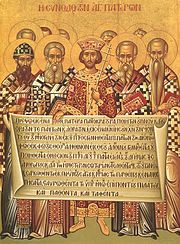
Icon of the Council of Nicea
Since the Council of Nicea is where the language of God as Trinity became the official doctrine of the church in 325
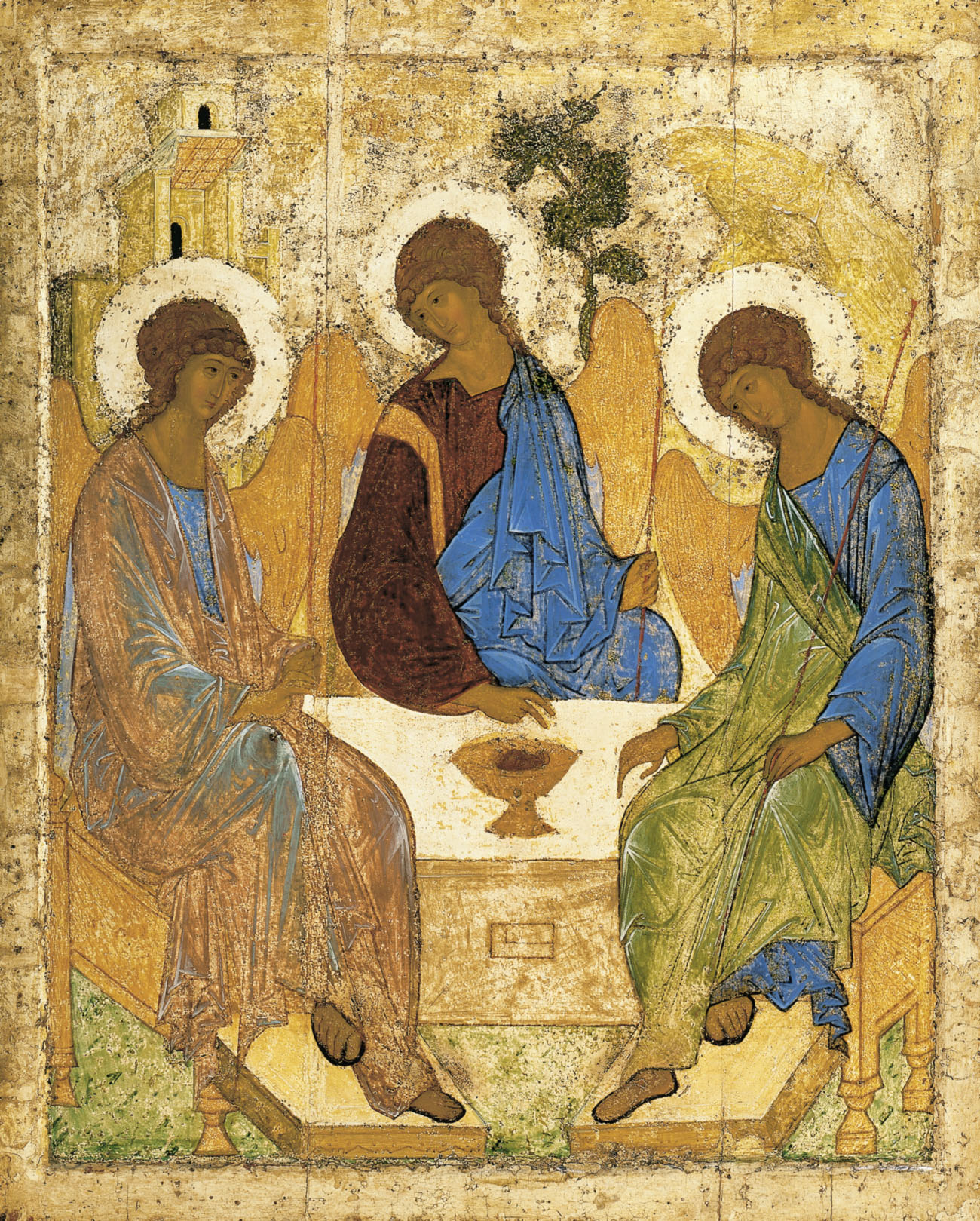
Rublev’s Icon of the Holy Trinity
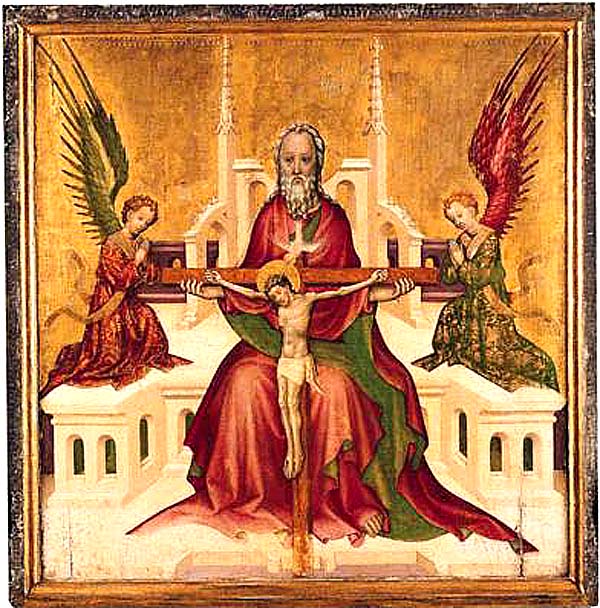
Trinity with Christ Crucified, Austrian about 1410
For the first reading about the creation there are also a plethora of images, here are some varied images I like:

Lukas Cranach, Day 7 Shabbat, The Rest of God and Man, from the Lutherbibel (1534)
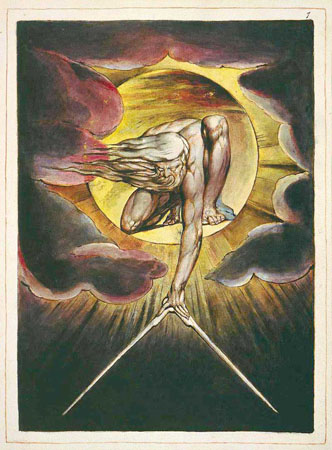
William Blake, The Ancient of Days: The Division of Light and Darkness (1794)

I like this particular nebula because it is where the formation the Pillars of Creation is

Origins of Creation by nisht@deviantart.com

Creation by OneLifeOneArt@deviantart.com
And for the Great Commission in Matthew’s Gospel:
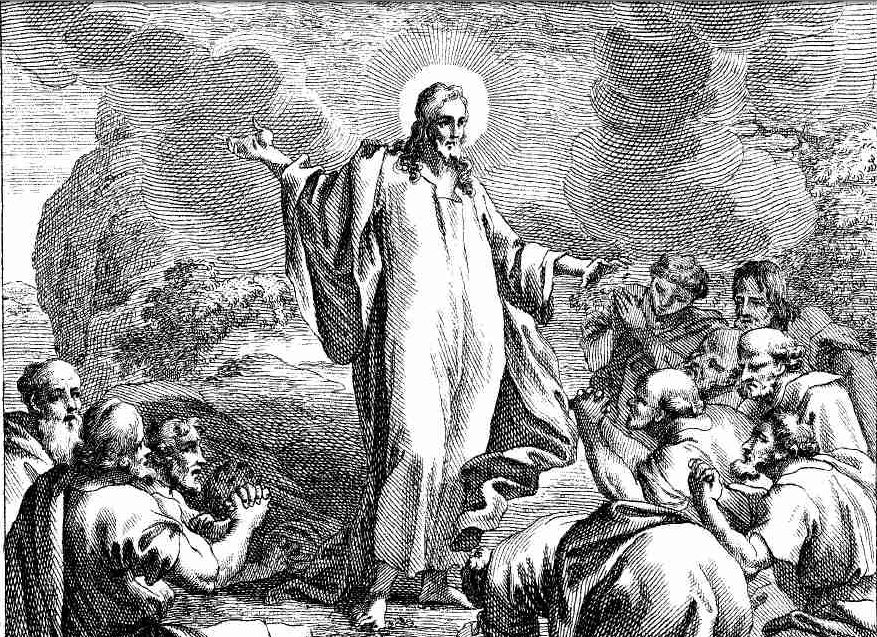
Christoph Wiegel, The Great Commission

Stained glass window by David J. Hetland

Fallen White Knight by RachellaJH@deviantart.com
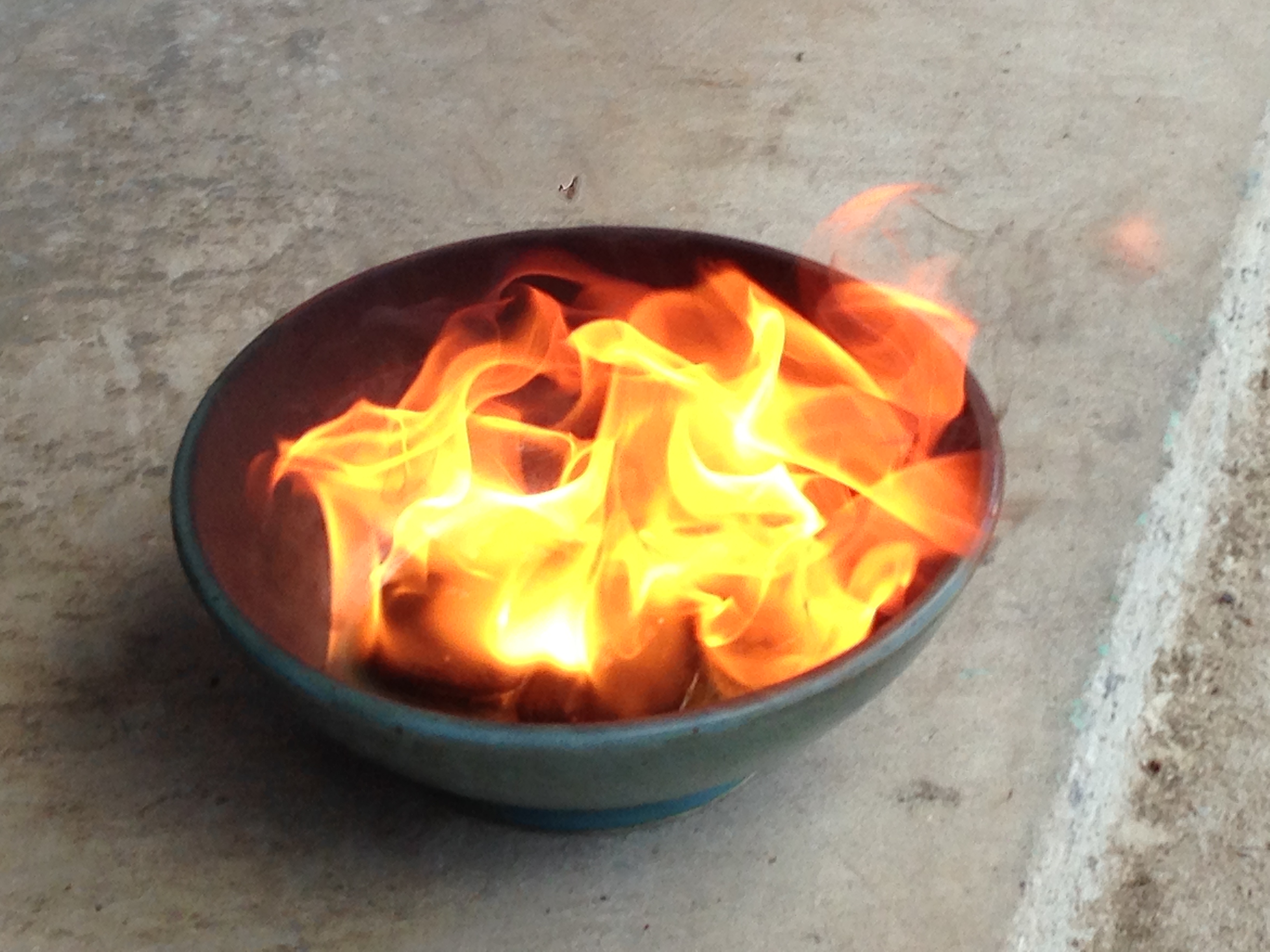 We often see the fragility that comes from the way in which our beings are made
The manner in which we are so easily chipped and broken by the hard places of life
We may wish we were made of sterner stuff like iron or bronze
Or that we bore the shine of silver or gold or some precious stone
But we mortal beings bear our treasures in the fired clay of the earth
Formed from the mud and our varied shapes formed upon the wheel
Yet, it is the kiln of life that locks us into our true form
And no glaze can disguise that reality that we are pots needing to be filled
Yet one stunning revelation in the midst of this season of the Spirit
That lights upon the apostles as flames of fire consuming the past
Lighting the way to a new and uncertain future for them and those who follow
But one truth of ceramics for all their flaws and weaknesses
Is their ability to absorb the heat of the flame, for they were formed in it
Unlike metals they retain the heat rather than transmitting it to the world around
They are able to bear the creative fire of the spirit’s presence into the world
Without the world around them being consumed by heat of holiness
In their mortality and fragility they are suited to a task no other can manage.
Neil White, 2014
We often see the fragility that comes from the way in which our beings are made
The manner in which we are so easily chipped and broken by the hard places of life
We may wish we were made of sterner stuff like iron or bronze
Or that we bore the shine of silver or gold or some precious stone
But we mortal beings bear our treasures in the fired clay of the earth
Formed from the mud and our varied shapes formed upon the wheel
Yet, it is the kiln of life that locks us into our true form
And no glaze can disguise that reality that we are pots needing to be filled
Yet one stunning revelation in the midst of this season of the Spirit
That lights upon the apostles as flames of fire consuming the past
Lighting the way to a new and uncertain future for them and those who follow
But one truth of ceramics for all their flaws and weaknesses
Is their ability to absorb the heat of the flame, for they were formed in it
Unlike metals they retain the heat rather than transmitting it to the world around
They are able to bear the creative fire of the spirit’s presence into the world
Without the world around them being consumed by heat of holiness
In their mortality and fragility they are suited to a task no other can manage.
Neil White, 2014
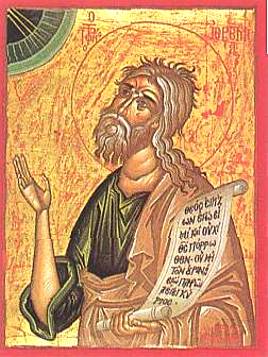
Orthodox Icon of the Prophet Jeremiah
In the fourth year of King Jehoiakim son of Josiah of Judah, this word came to Jeremiah from the LORD:2 Take a scroll and write on it all the words that I have spoken to you against Israel and Judah and all the nations, from the day I spoke to you, from the days of Josiah until today. 3 It may be that when the house of Judah hears of all the disasters that I intend to do to them, all of them may turn from their evil ways, so that I may forgive their iniquity and their sin.
4 Then Jeremiah called Baruch son of Neriah, and Baruch wrote on a scroll at Jeremiah’s dictation all the words of the LORD that he had spoken to him. 5 And Jeremiah ordered Baruch, saying, “I am prevented from entering the house of the LORD; 6 so you go yourself, and on a fast day in the hearing of the people in the LORD’s house you shall read the words of the LORD from the scroll that you have written at my dictation. You shall read them also in the hearing of all the people of Judah who come up from their towns. 7 It may be that their plea will come before the LORD, and that all of them will turn from their evil ways, for great is the anger and wrath that the LORD has pronounced against this people.” 8 And Baruch son of Neriah did all that the prophet Jeremiah ordered him about reading from the scroll the words of the LORD in the LORD’s house.
In a final plea for the attention of the people, Jeremiah is instructed to write down the words he has received from the Lord throughout his ministry so that they can be delivered in total to the people of Jerusalem and Judah. Jeremiah’s ministry has been a visual and oral one up until this point but we see a transition as the words of the Lord become written down so that they are not lost with the prophet. This is the dangerous move from proclamation to print, where the words given the prophet are collected and become scripture. We don’t know the form of exactly what Baruch will write down on dictation from Jeremiah, but in the waning days of King Jehoiakim and the independence of Judah perhaps there is one final hope that the words will be received and judgment can be averted.
For roughly forty years Jeremiah has been the prophet of the Lord, and for all that time he has been unheard by those with the power to change the course of the people. Yet, the Lord and the prophet still desire a turning, some glimmer of hope in some future reconciliation. The relationship cannot remain as it is, with the people placing their trust in the land, the city of Jerusalem, the Davidic king and the temple along with political alliances with Egypt and not living into their identity they were called to in their covenant with God. Things cannot remain how they are and so there is one cumulative reminder of the consequences of the path that lies ahead. The words once spoken are now written so that they can be heard and spoken again and again. Knowing the previous story perhaps it is a desperate gambit by the prophet with little chance of success, but the reality of the coming dread is such that every option must be exhausted before surrendering to the despair of the siege and desolation of the land and people.
As Walter Brueggemann talks about this text in his article “Haunting Book-Haunting People” this scroll, created through the fidelity of Jeremiah and Baruch and designed to evoke a massive change in the people while sounding like a threat is actually an act of grace. (Brueggemann, 2006, p. 133f) And this unique text, which is the only text in the Hebrew Scriptures that shows the process of moving from proclamation to text so that the haunting text can continue to bring its haunting message to us today. By this text of Jeremiah which has been handed down from generation to generation, often neglected and sometimes wrestled with invites us into the haunting relationship between God, the people and the prophet and in its own poetic way invites those willing to engage it into dialogue between God, the people, the leaders and we who receive it and either suppress or profess it.
9 In the fifth year of King Jehoiakim son of Josiah of Judah, in the ninth month, all the people in Jerusalem and all the people who came from the towns of Judah to Jerusalem proclaimed a fast before the LORD. 10 Then, in the hearing of all the people, Baruch read the words of Jeremiah from the scroll, in the house of the LORD, in the chamber of Gemariah son of Shaphan the secretary, which was in the upper court, at the entry of the New Gate of the LORD’s house.
11 When Micaiah son of Gemariah son of Shaphan heard all the words of the LORD from the scroll, 12 he went down to the king’s house, into the secretary’s chamber; and all the officials were sitting there: Elishama the secretary, Delaiah son of Shemaiah, Elnathan son of Achbor, Gemariah son of Shaphan, Zedekiah son of Hananiah, and all the officials. 13 And Micaiah told them all the words that he had heard, when Baruch read the scroll in the hearing of the people. 14 Then all the officials sent Jehudi son of Nethaniah son of Shelemiah son of Cushi to say to Baruch, “Bring the scroll that you read in the hearing of the people, and come.” So Baruch son of Neriah took the scroll in his hand and came to them. 15 And they said to him, “Sit down and read it to us.” So Baruch read it to them. 16 When they heard all the words, they turned to one another in alarm, and said to Baruch, “We certainly must report all these words to the king.” 17 Then they questioned Baruch, “Tell us now, how did you write all these words? Was it at his dictation?” 18 Baruch answered them, “He dictated all these words to me, and I wrote them with ink on the scroll.” 19 Then the officials said to Baruch, “Go and hide, you and Jeremiah, and let no one know where you are.”
As King Nebuchadnezzer of Babylon begins his campaigns and cities and empires begin to fall there is a gathering in Jerusalem and a time of fasting. It is into this time of fasting that Baruch, the scribe who has recorded the words of Jeremiah, enters the temple and proclaims the words to the people in the chamber of Gemariah. The words dictated by Jeremiah do fall initially on some sympathetic ears, first Micaiah the son of Gemariah (the son of the one whose chamber Baruch read from, probably indicating some sympathy for Jeremiah in advance) and then later in the king’s house by several of the named officials. Jeremiah, even though he had run afoul of the king was still valued by some within the royal court and once they confirm the origin of the scroll they decide that the king does need to hear the words given through Jeremiah and Baruch.
These officials know that these are dangerous words that will likely be ill received by the king, but they courageously are will both to bring news of these words to the king and to instruct Baruch and Jeremiah to go into hiding. The officials do not even know where Baruch and Jeremiah are, but the words themselves are so important that just as Micaiah brought word to them, now they feel compelled to bring word to the king.
The text is a threat to the status-quo, the trusting in Davidic lines, temple and land as well as alliances with Egypt which have been the strategy of King Jehoiakim’s reign. The words are a risk for Jeremiah, even more for Baruch, and now for these officials who now prepare to take this challenge to the king.
20 Leaving the scroll in the chamber of Elishama the secretary, they went to the court of the king; and they reported all the words to the king. 21 Then the king sent Jehudi to get the scroll, and he took it from the chamber of Elishama the secretary; and Jehudi read it to the king and all the officials who stood beside the king. 22 Now the king was sitting in his winter apartment (it was the ninth month), and there was a fire burning in the brazier before him. 23 As Jehudi read three or four columns, the king would cut them off with a penknife and throw them into the fire in the brazier, until the entire scroll was consumed in the fire that was in the brazier. 24 Yet neither the king, nor any of his servants who heard all these words, was alarmed, nor did they tear their garments. 25 Even when Elnathan and Delaiah and Gemariah urged the king not to burn the scroll, he would not listen to them. 26 And the king commanded Jerahmeel the king’s son and Seraiah son of Azriel and Shelemiah son of Abdeel to arrest the secretary Baruch and the prophet Jeremiah. But the LORD hid them.
27 Now, after the king had burned the scroll with the words that Baruch wrote at Jeremiah’s dictation, the word of the LORD came to Jeremiah: 28 Take another scroll and write on it all the former words that were in the first scroll, which King Jehoiakim of Judah has burned. 29 And concerning King Jehoiakim of Judah you shall say: Thus says the LORD, You have dared to burn this scroll, saying, Why have you written in it that the king of Babylon will certainly come and destroy this land, and will cut off from it human beings and animals? 30 Therefore thus says the LORD concerning King Jehoiakim of Judah: He shall have no one to sit upon the throne of David, and his dead body shall be cast out to the heat by day and the frost by night. 31 And I will punish him and his offspring and his servants for their iniquity; I will bring on them, and on the inhabitants of Jerusalem, and on the people of Judah, all the disasters with which I have threatened them– but they would not listen.
32 Then Jeremiah took another scroll and gave it to the secretary Baruch son of Neriah, who wrote on it at Jeremiah’s dictation all the words of the scroll that King Jehoiakim of Judah had burned in the fire; and many similar words were added to them.
The king mistakenly believes that if he can destroy the words of the text that the status quo can be maintained. Rather than engage the haunting words he destroys them, personally cutting them and throwing them into the fire where they are consumed. After the scroll is burned up, against the protests of Elnathan, Delaiah and Gemariah, the next command to his sons is to seek out Baruch and Jeremiah. Not only must the message be eliminated, the messengers must be silenced as well. Yet the word of the Lord is not so easily eliminated, it will continue its haunting presence. Eliminating the threatening words will not eliminate the armies of Babylon, and burning the text does not eliminate even it. Instead of reducing the words spoken through Jeremiah, dictated by Baruch now a new scroll is produce which also has many similar words added to it, and the judgment against Jehoiakim is particularly harsh. His line will come to an end in disgrace, and according to Jeremiah’s words he will not even be buried but left out in the open for his corpse to be consumed by the elements. These words, as haunting and inconvenient as they may be will not be ignored or eliminated.

Icon of the Christian Pentecost in the Greek Orthodox tradition, Phiddipus (copyright holder released to public domain)

Pentecost by purple-whirlpool@deviantart.com

When the Day of Pentecost Came, Mark A Hewitt, Pastel and pen http://oldtractortinshed.net/?tag=pentecost


Mikhail Vrubel, Pentecost, (1884) Detail of Fresco in Church of St. Cyril, Kiev, Ukraine

I saw you at the fair today Old friend and before your even say I know it wasn’t you, You are a thousand miles away But I saw you anyways. In someone who reminded me of you Though younger, she had your eyes and face And they took me to a place where you were there And so today, though only in the way of a memory Or a projection of your features and personalities onto another You were there, and so was I And I saw you at the fair Neil White, 2014
The last several weeks of Easter are all in this long section of John’s gospel in the context of the Jesus’ final evening with his disciples before his crucifixion. It is harder to find images for these sections, particularly images that are not copyrighted or that I can find good information to credit the author. I will include a few links to some other images I liked but the sites where I found them didn’t indicate the author.
From Acts 1, the choosing of Matthias

Saint Matthias, (1317-1319) Workshop of Simone Martini
From John 17
Since the focus is on the twelve (or eleven at this point) in Jesus prayer the setting aside of the 12 apostles made sense to me

James Tissot, Ordaining the Twelve Apostles (1886-1894)
And a couple images of Jesus praying:
Prayer by lynnlynnlynnlynn@deviantart.com
A similar image that I liked a better was here
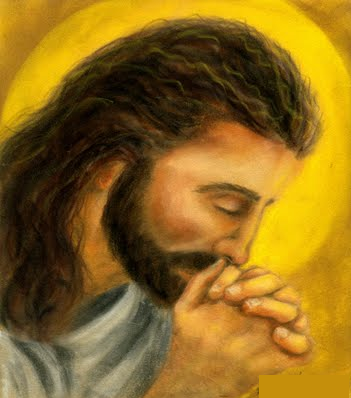
Jesus Praying by 12345100@deviantart.com
A couple more interesting images here, and these very nice images by Iain McKillop which although they reflect more of the story in Matthew, Mark and Luke I found helpful in thinking about the passages this week.
 Sign of the Rose