 Five Star Book Review
Stephen Graham Jones, The Only Good Indians
For me a five-star book is something that either I want to read again or something that is so profound it makes an immediate impact. There are lots of ways that books can be compelling: a unique idea, an interesting set of characters, a complex plot, an artistic use of the English language and more. Reading is also a subjective experience, so what appeals to me as a reader may be very different for you. I read a lot for both pleasure and work but these short reviews are a way for me to show my appreciation for the work and the craft of the author of the reviewed work.
The Only Good Indians is a very interesting read. When you read something where the protagonists are from a different cultural world than the reader, a good author will make you feel the environment and worldview of the characters. The Only Good Indians is the story of four Blackfeet who while hunting elk on restricted land awaken a vengeful spirit determined to avenge the death of its herd. The story from the opening page grabs the reader with these four characters caught between the reservation and the world outside two characters attempt to leave the reservation for. It does a phenomenal job of putting you into experiences and minds of Ricky, Lewis, Cass and Gabe as well as the characters brought into their story. The Po’noka, the vengeful spirit, is an unrelenting monster with an animalistic desire to inflict pain and death on the ones who caused death to its herd a decade earlier. This is horror that transcends the normal tropes that the genre operates in.
Stephen Graham Jones uses the words of the story to manipulate the mood and feel of the story. Even when the characters act in self-destructive ways you understand and empathize with them. The reservation becomes its own character in the story, a home that seems impossible to leave behind. There is no escaping a past that still holds onto the present or the forces that seem to lead to the early death of too many Indian men. Yet, even as the novel confronts the dark forces that bind the four main protagonists it also has a hopeful note in another character that emerges from these broken men.
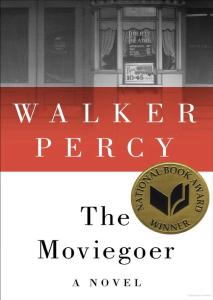 Time Magazine Top 100 Novels
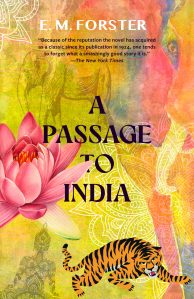 Time Magazine Top 100 Novels
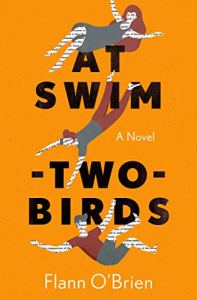
 Time Magazine Top 100 Novels
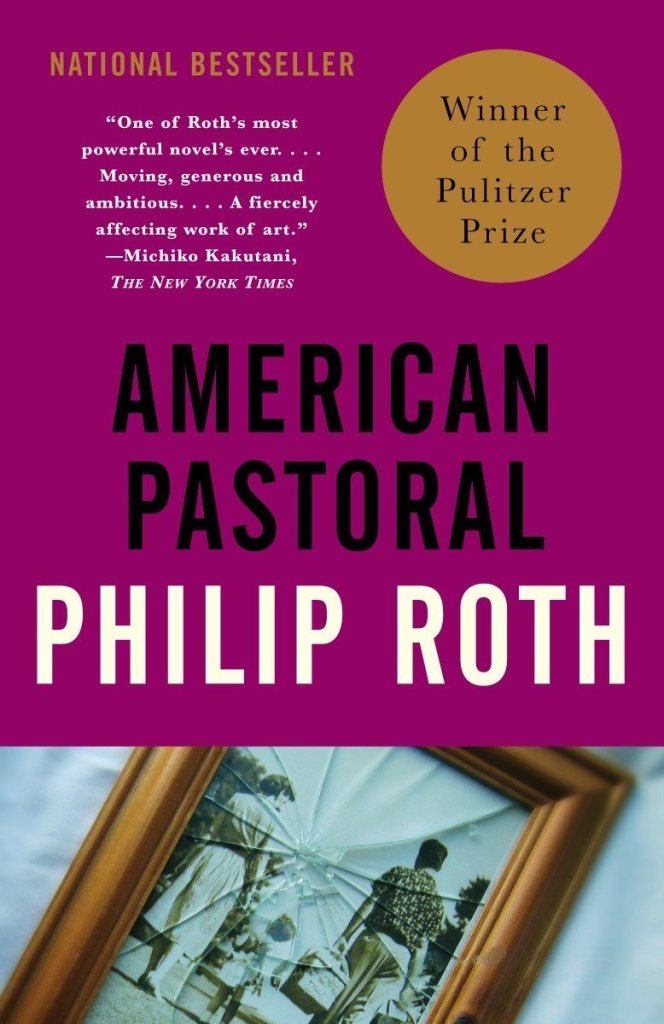
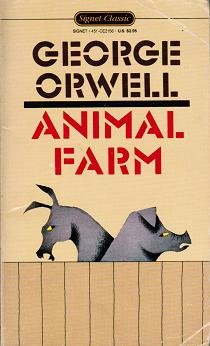

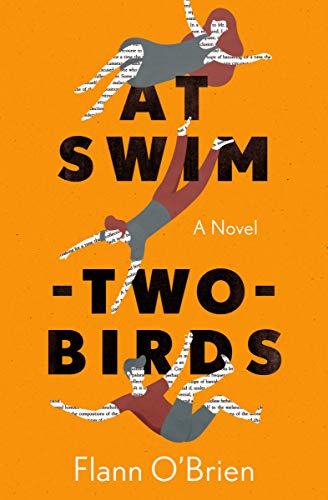
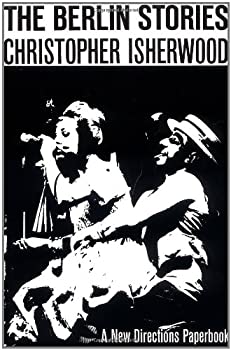
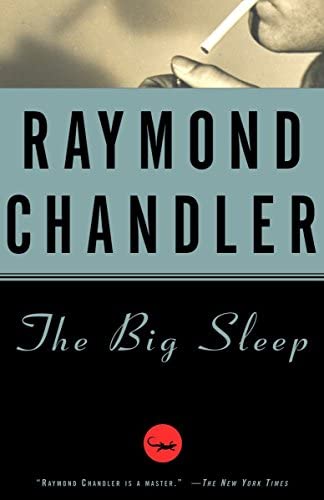






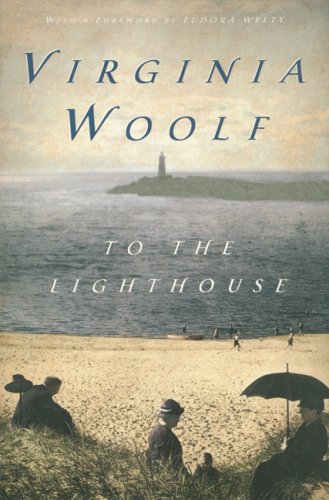
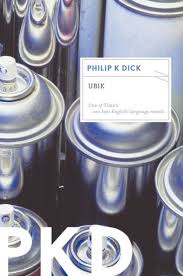
 Time Magazine Top 100 Novels
 Time Magazine Top 100 Novels
 I received an advance readers copy of the Warm Hands of Ghosts and I am a fan of Katherine Arden’s The Bear and the Nightingale series as well as her middle grade series Small Spaces. The Warm Hands of Ghosts takes the reader back to the historical fantasy genre of The Bear and the Nightingale, but this time the environment is primarily the hellish environment of Belgium in 1917 during the World War I battle for Passchendaele. Katherine Arden does a phenomenal job of presenting the environment of a world at war through the eyes of Laura and Freddie Iven. Laura begins the narrative home in Canada after several years as a field nurse for the medical corps, while her younger brother Freddie later joins the Canadian army in the trenches near Ypres. There is both a spiritualist and an apocalyptic framing of the war (particularly in a Jehovah’s Witness sense) and into the soul stealing space of war enters the beguiling but also devilish Faland. There are some similarities to the Smiling Man of the Small Spaces series, but the devil in a different context calls a different tune and plays a different game.
 Sign of the Rose