Category Archives: Biblical Reflections

Transitioning into Revelation

Herz-Jesu-Kirche, westseitige Teiansicht der Pendentifkuppel,Shared under Creative Commons attribution-Share alike 3.0 Germany

As a part of my personal growth and dedication to these strange, wonderful scriptures I’ve attempted to lean into some of the texts I am less familiar with and there is an unseen method to my madness. I have enough background knowledge to know that some books pull heavily on the imagery of others while others naturally flow in a narrative sequence. I’ve grown immensely in my faith and my love for the scriptures in my work with Exodus, Deuteronomy, Esther, Psalms 1-41, Ecclesiastes, Jeremiah and Haggai. I thought Song of Songs or Song of Solomon was going to be the next book I approached, and that one will probably come after Revelation and Psalms 42-50, but I attempt to listen when people ask about something specific and living in Texas people are curious about Revelation.

Revelation is the first book in the New Testament that I am going through completely here on Sign of the Rose. Part of that is intentional, as a Christian pastor I spend more time with the Gospels than any other portion of scripture and early in my ministry I wanted to go back to get a PhD in New Testament studies focusing on the Pauline letters. After fourteen years in ministry I felt very comfortable in multiple reading perspectives for large portions of the New Testament and I’ve found in particular the work of Richard B. Hays which points to the allusions of the Hebrew Scriptures in the New Testament. Like most Christian ministers my comfort with the Hebrew Scriptures (commonly called the Old Testament) was limited and so I’ve attempted to grow in this area. Ideally to approach the book of Revelation I would have preferred to work through the books of Daniel and Ezekiel first since Revelation uses imagery from both of these books frequently and Daniel, especially, is the closest in style to most of Revelation’s imagery and form.

In my tradition, Lutheran and specifically ELCA Lutheran, the book of Revelation is not often utilized. We sometimes may point out perspectives that we don’t agree with in how the imagery of Revelation is misused. Sometimes we have laughed to ourselves about various groups that have boldly posited the dates of Christ’s return. It is far easier to critique or challenge someone else’s perspectives and constructs rather than contribute one’s own. I can’t claim to speak for all Lutherans or even on behalf of one denomination, but rather as one pastor who diligently attempts to use the tools of my tradition, my own experiences and gifts of reason and knowledge and a love for these strange scriptures that point us to the God of the people of Israel and the God who the early Christians would come to know through the witness and revelation of Jesus.

I do think before moving through individual chapters it is helpful to understand how Revelation has been used (or frequently not commented on) by the church across its history so the next post in this series will look briefly at the history of interpretation. Maybe I’m the only person who finds that interesting, but it is helpful for me to understand the way the Christian church has approached this book to understand what pitfalls are there.

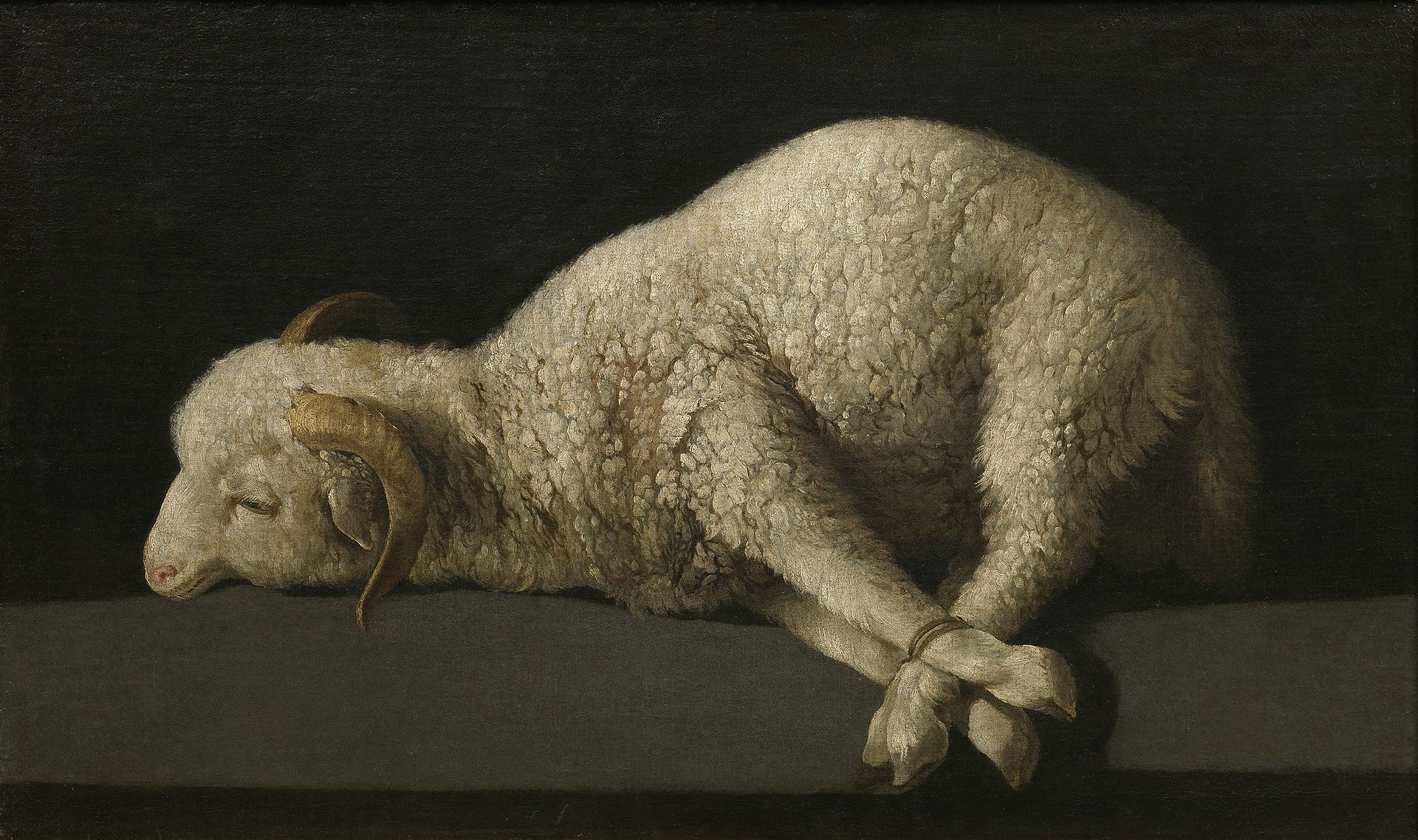
If you come to these posts looking for me to explain exactly how the world is going to end I want to warn you up front that you will be disappointed. Much of the misinterpretation of Revelation goes into not paying attention to the rich and allusive language of this work and attempt to lock it down into a series of events that must happen. Revelation has a powerful resonance for today’s world but not as a tool for interpreting the future, but rather as a lens to look at the present. Many recent interpreters, particularly from American and English evangelical traditions, fundamentally misread this book because they assign to God’s plan the things that are God unveiling the way humans have brought death and destruction to the world. They try to make the crucified lamb into the conquering lion rather than Revelation’s reversal of this image to turn the lion into a lamb. Yet, it still has a powerful resonance which can at times be uncomfortable-especially in the places where the United States, my home country, has attempted to emulate the parts of Rome that Revelation parodies. It also speaks to a church that finds itself in various situations: from complete acculturation with the narrative of the nation to finding itself a persecuted entity.

Ultimately, anyone reading this is entitled to their own reading of Revelation. It continues to evoke new readings in culture, art and music-some faithful and some obviously not to the author’s original message. Welcome for those journeying with me into this journey with this strange, evocative, powerful and sometimes confusing vision of John on Patmos. May these humble reflections be my own offering cast before the throne of the one who is worthy to receive glory, honor and power. (Revelation 4:11)

Psalm 41 The One Who Cares for the Poor


Artistic Reflections on the Beatitudes of Our Lord Jesus Christ by Stephanie Miles. Image from http://agatheringatthewell.blogspot.com/

Psalm 41

<To the leader. A Psalm of David.>
1 Happy are those who consider the poor; the LORD delivers them in the day of trouble.
2 The LORD protects them and keeps them alive; they are called happy in the land. You do not give them up to the will of their enemies.
3 The LORD sustains them on their sickbed; in their illness you heal all their infirmities.
4 As for me, I said, “O LORD, be gracious to me; heal me, for I have sinned against you.”
5 My enemies wonder in malice when I will die, and my name perish.
6 And when they come to see me, they utter empty words, while their hearts gather mischief; when they go out, they tell it abroad.
7 All who hate me whisper together about me; they imagine the worst for me.
8 They think that a deadly thing has fastened on me, that I will not rise again from where I lie.
9 Even my bosom friend in whom I trusted, who ate of my bread, has lifted the heel against me.
10 But you, O LORD, be gracious to me, and raise me up, that I may repay them.
11 By this I know that you are pleased with me; because my enemy has not triumphed over me.
12 But you have upheld me because of my integrity, and set me in your presence forever.
13 Blessed be the LORD, the God of Israel, from everlasting to everlasting. Amen and Amen.

The final psalm in the first book of the psalter (Psalms 1-41) begins with a beatitude (Happy/blessed are…) just like the first psalm in this collection. Psalm 1 begins by stating “Happy are those who do not follow the advice of the wicked…but their delight is in the law of the LORD” and now closing this section of the book of psalms we hear, “Happy are those who consider the poor.” The structure of the book of psalms wants to encourage us to hear the connection hear between a life that avoids the way of the wicked and delights in the law of the LORD with a life that considers the poor. Looking back at the previous forty psalms that comprise this first section of the psalter it becomes clear that one of the central messages is that God hears those who have been oppressed or isolated from their community and so the one who considers the poor models their path after the God who hears the cries of the poor and neglected of the world. This psalm begins with the one who considers the poor being able to count upon the LORD’s deliverance in their own time of trouble. A life that is blessed is one that in following the law of the LORD hears the way in which they are to be a community which cares for the weak, the widow, the orphan, the alien and all the others who are vulnerable in society.

The similarity between the beginning of this psalm and the Sermon on the Mount in Matthew 5: 3 (or Sermon on the Plain in Luke 6:20) is just one of many places of resonance between the psalms and the message of Jesus. Jesus vision of the kingdom of God reflects the law of the LORD which imagines a society where the wicked no longer take advantage of the weak. The psalms, along with the law and prophets, the gospels and the letters of Paul as well as the rest of the bible attempt to imagine for the world a different kind of community. I’m reminded of a story that the New Testament scholar Mark Allan Powell shares about the parable of the prodigal son in Luke’s gospel. He asked his American student why the son who goes to a foreign country ends up starving and they almost all point to him squandering what he had, the son’s life was his own responsibility. When he had the opportunity to ask students in Russia the majority pointed to the reality that in the story there is a famine in the land, that the person’s peril was due to external conditions in the environment. Perhaps most interestingly for the reflection on this psalm was the answer he received when he was in Tanzania about why the son was in danger of starvation: “Because no one gave him anything to eat!” and they went on to explain that:

The boy was in a far country. Immigrants often lose their money. They don’t know how things work—they might spend all their money when they shouldn’t because they don’t know about the famines that come. People think they are fools just because they don’t know how to live in that country. But the Bible commands us to care for the stranger and alien in our midst. It is a lack of hospitality not to do so. This story, the Tanzanians told me, is less about personal repentance than it is about society. Specifically, it is about the kingdom of God. (Powell, 2007, p. 27)

This is the type of society that this psalm attempts to help us imagine, a world where the poor are considered and cared for, but the psalmist doesn’t live in that world. Just because the poet believes that God delivers those who care for the vulnerable they also are honest that attempting to live righteously does not exclude them from the challenges of life or from feeling the exclusion that the poor often feel.

The poet spends most of this psalm reflection on how their own community was not a blessing to them in their time of trouble. The LORD sustains those who care for the poor on their sickbed, but now the psalmist community has only the LORD to call to for healing on their own sickbed. Perhaps their community believes that the illness is a judgment from God and therefore they are justified in their exclusion of this one. It may also be that the illness demonstrates the true nature of the community. The community seems to be a place where only those who can actively contribute are valued and where people are actively waiting on the death of the psalmist to inherit his property. At a time where the community was needed the most for the poet, they found themselves a member of an unjust society that does not consider the vulnerable and weak. The community of the speaker has become warped and close friendships revealed as fading and shallow. Yet, the LORD can bring the one who has a deadly thing fastened to him back to life.

Like in Psalm 38 the psalmist wrestles again with a connection between sin and sickness. On the one hand many modern Christians too quickly dismiss any connection when there are times when one suffers because of one’s own actions or choices. Yet, there are other times where both people too quickly and tightly assume a connection. As Rolf Jacobson shares from his own life:

Even modern agnostics or atheists prove themselves capable of making this assumption when they assume that a person’s poor health is automatically the result of poor lifestyle choices. In my own life, when I was diagnosed with cancer as a teenager, a well-meaning but misguided neighbor remarked to my mother that it was a shame she had not been feeding her family the proper, high anti-oxidant diet, or her son would not have developed cancer. Besides being incredibly unhelpful, this comment was simply wrong—the type of cancer I had is not lifestyle dependent. (Nancy deClaisse-Walford, 2014, p. 390)

Regardless of whether a person’s plight is caused by personal actions and choices or whether they simply find themselves among the weak, sick, injured, poor, or otherwise vulnerable the psalms imagine a community that can respond differently than what the writer of Psalm 41 discovers in their community.

The psalmist asks to be able to ‘repay’ those who have not acted as a supportive community in their plight and unfortunately in English we lose the double meaning of this phrase. On the one had the psalmist does desire that their health would be restored so that those waiting on their death to claim their payment from their property would have no inheritance because the psalmist continues to live. But the word translated to repay comes from the noun shalom and has the connotation of making complete, restoring, to recompense or reward. (Brueggeman, 2014, p. 200) The poet may also be pointing to being a person who can demonstrate what a righteous life looks like by in the future caring for those who failed to care for them in the present.

The LORD has cared for the one who has cared for the poor. The righteous one can point to their own life as a witness to the LORD’s action on their behalf. Even when their community failed them God proved to be faithful. And they end this psalm and this portion of the psalter with a blessing to the God who has avoided the way of the wicked, who has delighted in the law of the LORD, and who has cared for the poor.

Psalm 40 Experienced Faithfulness and the Hope of Deliverance

Extract of Herbert Boeckl’s fresco “Saint Peter’s rescue from the Lake Galilee” inside the cathedral of Maria Sall, Carinthia, Austria

Psalm 40

<To the leader. Of David. A Psalm.>
1 I waited patiently for the LORD; he inclined to me and heard my cry.
2 He drew me up from the desolate pit, out of the miry bog, and set my feet upon a rock, making my steps secure.
3 He put a new song in my mouth, a song of praise to our God. Many will see and fear, and put their trust in the LORD.
4 Happy are those who make the LORD their trust, who do not turn to the proud, to those who go astray after false gods.
5 You have multiplied, O LORD my God, your wondrous deeds and your thoughts toward us; none can compare with you. Were I to proclaim and tell of them, they would be more than can be counted.
6 Sacrifice and offering you do not desire, but you have given me an open ear. Burnt offering and sin offering you have not required.
7 Then I said, “Here I am; in the scroll of the book it is written of me.
8 I delight to do your will, O my God; your law is within my heart.”
9 I have told the glad news of deliverance in the great congregation; see, I have not restrained my lips, as you know, O LORD.
10 I have not hidden your saving help within my heart, I have spoken of your faithfulness and your salvation; I have not concealed your steadfast love and your faithfulness from the great congregation.
11 Do not, O LORD, withhold your mercy from me; let your steadfast love and your faithfulness keep me safe forever.
12 For evils have encompassed me without number; my iniquities have overtaken me, until I cannot see; they are more than the hairs of my head, and my heart fails me.
13 Be pleased, O LORD, to deliver me; O LORD, make haste to help me.
14 Let all those be put to shame and confusion who seek to snatch away my life; let those be turned back and brought to dishonor who desire my hurt.
15 Let those be appalled because of their shame who say to me, “Aha, Aha!”
16 But may all who seek you rejoice and be glad in you; may those who love your salvation say continually, “Great is the LORD!”
17 As for me, I am poor and needy, but the Lord takes thought for me. You are my help and my deliverer; do not delay, O my God.

Any deliverance we may experience during our life is provisional. That doesn’t mean that the deliverance is insignificant or unimportant, merely that there will be future crises that we encounter in our lives. The experience of God’s faithfulness and the answer to one’s prayer does not grant us a life exempt from future struggles or conflict. Yet, these experiences of God’s faithfulness can give shape to the prayers that we state when we encounter a new crisis. Our history with God’s actions on our behalf teach us to trust that God does hear our prayer and respond and gives us a hope for deliverance in the future as we endure what hardships may come.

Psalm 40 moves from praise for a past time of salvation into a prayer in a moment of crisis. Some people have broken the psalm into two pieces and dealt with it as two distinct psalms, especially since verses 13-17 comprise the entirety of Psalm 70. Yet, here they are joined into one psalm and there is wisdom in the way Psalm 40 flows. The movement from the experience of faithfulness to praise to finding oneself needing to callon God’s deliverance is a movement that is frequent in the life of faith.

The psalm begins with recollection. The petitioner remembers a time when they waited on the LORD’s deliverance and their waiting was recognized. They were drawn out of a metaphorical pit and miry bog and placed in a secure place. God was their rock and a foundation which proved trustworthy to rely upon and to build their life around. Their response to this deliverance was one of praise, of singing and or testifying to others in the community what they LORD had done for them.

As the praise of the psalmist continues they can proclaim that ‘happy’ or ‘blessed’ is the one who makes the LORD their trust. Earlier the path of happiness was for those who do not follow the wicked and delight in the law of God (Psalm 1) or for those whose sin has been forgiven (Psalm 32) and now the path of happiness is for those who trust in the LORD instead of any other object of faith. Instead of trusting in their own strength or turning aside to follow other gods the faithful one finds peace and happiness in relying on their God. Their trust has been rewarded by seeing the wondrous deeds towards the faithful community in the past and they remind themselves of the blessings they have received. The path of the ‘happy’ one is a path of gratitude for the continued provision of God throughout their life and in the life of their community.

What the psalmist believes their LORD desires is a life that is lived according to the covenant rather than sacrifice and offering. Like the prophets (see for example 1 Samuel 15: 22; Isaiah 1: 12-17; Hosea 6:6 and Amos 5: 21-24), here the psalmist recounts that the LORD desires more than merely right worship. The God of the psalms is not swayed by lavish sacrifices or offerings or worship. No sacrifice meets what God truly wants for God’s people. Instead it is a life lived in trust, praise and obedience that is desired by God. While worship, sacrifice and offering are all a part of this life they are not sufficient.

Interpretations vary on the ‘scroll of the book of the law’ in verse seven. I read this as a way of talking about a life that conforms to God’s law. Perhaps the person brings in a scroll of either a narrative of the way in which God rescued them, or the psalm itself becomes the offering, or the scroll is an accounting of how the individual has lived in accordance with God’s will. As Rolf Jacobson can state

“the psalmist delights in doing what God truly does find acceptable. And what God delights in is a life that conforms itself to God’s teaching (tôr; see comment on Ps. 1:2)—a life so conformed to God’s teaching that the torah is alive deep (betôk mēāy) a person.” (Nancy deClaisse-Walford, 2014, p. 379)

Like Jeremiah 31: 31-34 and Ezekiel 36: 26-28 we have within this psalm a heart that has the covenant imprinted on it.  Their experience of living the law, of trusting in the LORD, and knowing the benefit of the LORD’s protection and provision form the content of their witness to the community of faith. Their life and their song become tied together into a public act of worship the God who has heard them.

Yet, the faithful life is not exempted from strife and trials and within this psalm the texture changes as the psalmist is again in a place where they need to call upon the LORD’s salvation. In the past they have called, and God has answered and here again they lift their cry for God’s mercy, steadfast love and faithfulness. Evils and iniquities have somehow occluded the psalmist’s ability to see God’s action on their behalf. Those who desire their hurt may be those actively working against them or seeking to profit from their misfortune or they may simply be those who take pleasure in another person’s suffering. But the psalmist prays out of the position of trusting in God’s deliverance, a trust that has been validated in the past. They are poor and needy, they are vulnerable and yet they trust that God sees their turmoil and hears their cry. They recounted waiting patiently in the past for the LORD’s deliverance and now they are in the space of waiting again. They ask for God to act quickly to restore them to the place where once again they can testify to God’s deliverance and how God has again set their feet upon the rock instead of being caught in the pit or the miry bog.


Psalm 39 There Are No Words

Image from Associated Press

Psalm 39

<To the leader: to Jeduthun. A Psalm of David.>
1 I said, “I will guard my ways that I may not sin with my tongue; I will keep a muzzle on my mouth as long as the wicked are in my presence.”
 2 I was silent and still; I held my peace to no avail; my distress grew worse,
 3 my heart became hot within me. While I mused, the fire burned; then I spoke with my tongue:
 4 “LORD, let me know my end, and what is the measure of my days; let me know how fleeting my life is.
 5 You have made my days a few handbreadths, and my lifetime is as nothing in your sight. Surely everyone stands as a mere breath. Selah
 6 Surely everyone goes about like a shadow. Surely for nothing they are in turmoil; they heap up, and do not know who will gather.
 7 “And now, O Lord, what do I wait for? My hope is in you.
 8 Deliver me from all my transgressions. Do not make me the scorn of the fool.
 9 I am silent; I do not open my mouth, for it is you who have done it.
 10 Remove your stroke from me; I am worn down by the blows of your hand.
 11 “You chastise mortals in punishment for sin, consuming like a moth what is dear to them; surely everyone is a mere breath. Selah
 12 “Hear my prayer, O LORD, and give ear to my cry; do not hold your peace at my tears. For I am your passing guest, an alien, like all my forebears.
 13 Turn your gaze away from me, that I may smile again, before I depart and am no more.”

“There Are No Words” was the headline in my morning paper as the news covered yet another school shooting, this time in Parkland, Florida. A nineteen-year-old was equipped with smoke grenades, a gas mask, and an AR-15 rifle and killed at least seventeen people. As the leader of a community of faith I had to stand before my congregation last night as we came together for an Ash Wednesday service and they looked to me for words of wisdom, words of faith, words that fit the paradox of a day that on the secular calendar celebrated Valentine’s day but on the religious calendar reminds us that, “you are dust and to dust you shall return.” There are no words that are adequate to the pain that the parents and students of Marjory Stoneman Douglas High School must feel. Sometimes we discharge our own inadequacy with platitudes or promises of prayer. I would prefer to remain silent for I know the inadequacy of any words I may say. I would prefer to not speak from my own sense of weakness and frustration at the powerlessness that we seem to have around any issue related to who may possess a weapon in our country. I wonder for the parents of previous shootings who have turned their pain into a desire to make a change only to be frustrated again and again by the politicians who seem untouched or patronizing by these parents’ desire to never again allow this to happen to another family.

This psalm speaks to me this week. The beginning of Psalm 39 is paradoxical as the speaker speaks of their silence, of their desire to hold their tongue and muzzle the mouth. The movement from silence to protesting speech to silence and back to speech reminds me of the words of Richard Lischer:

Before any prophet speaks, the prophet is absolutely positive that he or she must not speak. Moses claimed a speech impediment; Isaiah confessed his own impurity; Jeremiah appealed to his inexperience. After the temple was destroyed, the prophet Ezekiel was transported to a refugee camp at Tel Abib. There he sat for seven days stupefied among the refugees, or, as one translation has it, “in a catatonic state.” Imagine the denizens of the twentieth century, beginning with ninety-three million dead in wars, gazing up from their mass graves or through the barbed wire of their camps, stupefied, catatonic. Something has ended. Visit the Holocaust Museum or Dachau. The normative demeanor is silence. (Lischer, 2005, p. 5f.)

I don’t know what terror the psalmist feels. Their silence could come from a personal illness, a communal tragedy, events that threaten the security or the identity of their nation, or they could just be silenced by the sheer magnitude of horrors both experienced and whispered in their life. Like Job the psalmist here begins in a state of silence. They hold back their tongue for fear of uttering blasphemy against their LORD. Yet their silence does not bring healing. The unexpressed wounds on their soul continue to fester as they remain locked behind their closed mouth. The words which the poet choked down burn now within them. The unresolved injustice burns their heart. They were absolutely positive they must not speak but the words burned within them and so they utter their words of protest. They cry out to God from the unspeakable tragedy of their life and with their words they give the tragic a voice.

“LORD let me know my end, what is the measure of my days; let me know how fleeting my life is.” On a day where Christians gathered and ashes formed the sign of the cross upon their foreheads we remember that our days are a few handbreadths. Yet, we do not accept the senselessness of suffering in silence. The witness of the faithful ones of scriptures bear witness to the words that must be spoken otherwise they burn within us until we speak. We take our words and our feelings into our dialogue with our LORD. We wrestle with how things like this can happen in a world created by a loving God. These words may move us into the uncomfortable place of girding up our loins to stand before God as Job was asked to do. We may stand in the place of Jeremiah who amid his pain would say to God, “Truly you are to me like a deceitful brook, like waters that fail” (Jeremiah 15: 18) or in less poetic language to dare to say to God that God’s promises were untrue, or God’s strength was unreliable. We may cry with the psalmist, “My God, my God why have you forsaken me.” (Psalm 22: 1) for the pain must go somewhere and the character of God revealed to the people of Israel is a God who sees the misery and hears the cry of God’s people. (See for example Exodus 3: 9) The words which seemed unutterable must be spoken. In the pain of the people and from the pain of the prophet the words cannot be held back. While the measure of days still lasts these the people cannot remain speechless before their God or in the world they live in.

In verses five and six behind the translation of ‘mere breath’ and ‘for nothing they are in turmoil’ lies the Hebrew word hebel (the word behind ‘vanity’ in Ecclesiastes which literally means vapor or mist but often represent emptiness and futility). The poet lapses into the language of the wisdom traditions of the bible trying to make sense of the senseless, to give words to the unspeakable, and grasping for certainties that are not there. Outside of their faith there are no satisfactory solutions for the psalmist wrestling with the crisis which for them makes meaningless a life that once held meaning. They turn to their LORD, where their hope lies, and they dare to speak. They ask for deliverance from their transgression of speech, silence and action.

The paradoxical speech from silence continues as the psalmist feels their personal crisis is a result of some judgment of God. God is the one who is punishing them, God has sent this crisis, God is the one whose chastisement threatens to consume them. The person feels cut off from community and is vulnerable like the wandering foreigner in the land. They have no people, no family, no group other than God. They cry for God to hear, give ear, and not to remain silent. Yet, while they have no family but God they also ask for God to turn God’s gaze away. Even though God may be their only support they are unable to see from God anything other than wrath in the moment. In the confused space of a crisis where there are no adequate words they perhaps need some time in their own silence. Yet, perhaps ironically it is in this confused space where they want God to act in mercy. In a time where words seem to fall flat, and emotions are confused the poet still trusts that God hears and that ultimately God will act. They feel a mixture of self-condemnation, fear, anger, betrayal, shame, pain, and there are no immediate resolutions. They long for the day when they can smile once more, and they pray that that day is before their life ends. Yet, these words echo on days where there are ‘no words.’ The psalm ends without resolution but still with a defiant hope that the silence and speech of this psalm will not be the final word. That even during the futility of this moment and their life they might still find joy once more.

Perhaps the reason these words speak to me today is that they do not claim to have the answer. There may come a time when these words transform into different words and different actions that once again try to imagine a world where these words and feelings are not necessary. To imagine a world where a nineteen-year-old either can’t use a weapon to shatter so many families or where this type of action is somehow prevented. I know my own feelings on this issue may not be popular in Texas where I serve. When I served in the military we did place an M-16 or M-4 (which are the military versions of this rifle) into the hands of young men and women this age but always within structure and supervision. In the time of the psalms and the prophets conflict was a frequent part of the people of Israel’s story and perhaps that is why the psalms and the prophets so often dream of peace and of a world free from the implements of war. Perhaps they had seen too many times where mothers and fathers mourned the son and daughters lost in violence. Perhaps they too knew what it meant to be at the point where there are no words and yet the words they choked back burned within them. They would enter the space where they cried out and questioned God and yet knew that it was only God who might eventually heal the emptiness they felt inside. But on this day, I am running out of words and like the psalm it may not bring any resolution, yet they needed to be spoken.

Psalm 38 A Cry for Forgiveness and Healing

Psalm 38

<A Psalm of David, for the memorial offering.>
1 O LORD, do not rebuke me in your anger, or discipline me in your wrath.
2 For your arrows have sunk into me, and your hand has come down on me.
3 There is no soundness in my flesh because of your indignation; there is no health in my bones because of my sin.
4 For my iniquities have gone over my head; they weigh like a burden too heavy for me.
5 My wounds grow foul and fester because of my foolishness;
6 I am utterly bowed down and prostrate; all day long I go around mourning.
7 For my loins are filled with burning, and there is no soundness in my flesh.
8 I am utterly spent and crushed; I groan because of the tumult of my heart.
9 O Lord, all my longing is known to you; my sighing is not hidden from you.
10 My heart throbs, my strength fails me; as for the light of my eyes — it also has gone from me.
11 My friends and companions stand aloof from my affliction, and my neighbors stand far off.
12 Those who seek my life lay their snares; those who seek to hurt me speak of ruin, and meditate treachery all day long.
13 But I am like the deaf, I do not hear; like the mute, who cannot speak.
14 Truly, I am like one who does not hear, and in whose mouth is no retort.
15 But it is for you, O LORD, that I wait; it is you, O Lord my God, who will answer.
16 For I pray, “Only do not let them rejoice over me, those who boast against me when my foot slips.”
17 For I am ready to fall, and my pain is ever with me.
18 I confess my iniquity; I am sorry for my sin.
19 Those who are my foes without cause are mighty, and many are those who hate me wrongfully.
20 Those who render me evil for good are my adversaries because I follow after good.
21 Do not forsake me, O LORD; O my God, do not be far from me;
22 make haste to help me, O Lord, my salvation.

This is a song for a broken heart, a broken body or a broken spirit. The psalm cries to the LORD for mercy, for reconciliation and for renewed presence. We never hear in this psalm the sin which the author believes they are suffering from but this sin which is mentioned but never named is the perceived cause of the psalmist’s suffering. Something has come between the singer of these words and the LORD whom they cry out to. Something has, in the poet’s mind, caused God to turn away in anger and indignation. Something they believe has caused God’s disposition to them to change dramatically. They are no longer at peace with God. Their relationship with their creator has been fractured and they stand in the position of helplessness and weakness. They feel the weight of God’s judgment and perhaps their own as well upon them.

 While there is no easy or direct correlation between sin and sickness in the bible, the psalmist’s cries do ponder a connection between their physical, emotional and spiritual health. Sin can cause suffering in body and mind and the feeling of abandonment or shame can manifest in physical and emotional ways. While the psalmist language is probably in some senses metaphorical it doesn’t mean that the language of the psalm doesn’t base itself upon the actual pain that the psalmist feels. As Beth Tanner can say, “The burden of sin burns inside, and the whole body feels the strain (v.7) The insides feel faint, and the spirit is crushed (v.8); even if quiet on the outside the mind roars over the torment in one’s heart (v.8)” (Nancy deClaisse-Walford, 2014, p. 358) The poet has something they feel intensely that has separated them from the protection and provision of their God, some unspoken sin that is seen by God and makes itself known in their body and spirit. They stand in need of forgiveness and reconciliation which will also begin the healing of their mind and flesh.

The poet’s plight is heightened by the distance and judgment they now feel from their community. Friends and neighbors who one relies upon now stand at a distance. Perhaps they feel like a leper who is cut off from the community for fear of contagion or perhaps, like the friends in Job’s narrative, the neighbors and friend have decided the sickness must be a judgment of God. Friends and neighbors stand aside while enemies perceive an opportunity. The weakness of the psalmist becomes a reason for their increased isolation from the community which they also rely upon. They have no words to answer the whispers they imagine being spoken of them as the lie (actually or metaphorically) prostrate and crushed unable to rise.

Though God may have turned away in indignation, at least in the psalmist’s perception, and they feel that God is just in God’s anger they plead for mercy and restoration. They trust that God will not ultimately forsake them. They have reached the point where they are ready to let go of the sin they conceal in their breast and the burden they have carried. They wait upon the LORD for their strength to be renewed. The psalm ends with the cry for the LORD’s steadfast love to overcome the indignation rightly felt. Where the poet feels distance from God and community they call for God’s return and healing. They call out in urgency for their case is dire. They end with the cry for their salvation and we, with the psalmist, enter their time of waiting for the LORD’s action.

Psalm 37 A Song of a Wise Life

An Old Woman Reading, Probably the Prophetess Hannah by Rembrandt (1631)

Psalm 37

<Of David.>
1 א  Do not fret because of the wicked; do not be envious of wrongdoers,
 2 for they will soon fade like the grass, and wither like the green herb.
 3 ב Trust in the LORD, and do good; so you will live in the land, and enjoy security.
 4 Take delight in the LORD, and he will give you the desires of your heart.
 5 ג Commit your way to the LORD; trust in him, and he will act.
 6 He will make your vindication shine like the light, and the justice of your cause like the noonday.
 7 ד Be still before the LORD, and wait patiently for him; do not fret over those who prosper in their way, over those who carry out evil devices.
 8 ה Refrain from anger, and forsake wrath. Do not fret — it leads only to evil.
 9 For the wicked shall be cut off, but those who wait for the LORD shall inherit the land.
 10 ו Yet a little while, and the wicked will be no more; though you look diligently for their place, they will not be there.
 11 But the meek shall inherit the land, and delight themselves in abundant prosperity.
 12 ז The wicked plot against the righteous, and gnash their teeth at them;
 13 but the LORD laughs at the wicked, for he sees that their day is coming.
 14 ח The wicked draw the sword and bend their bows to bring down the poor and needy, to kill those who walk uprightly;
 15 their sword shall enter their own heart, and their bows shall be broken.
 16 ט Better is a little that the righteous person has than the abundance of many wicked.
 17 For the arms of the wicked shall be broken, but the LORD upholds the righteous.
 18 י The LORD knows the days of the blameless, and their heritage will abide forever;
 19 they are not put to shame in evil times, in the days of famine they have abundance.
 20 כ But the wicked perish, and the enemies of the LORD are like the glory of the pastures; they vanish — like smoke they vanish away.
 21 ל The wicked borrow, and do not pay back, but the righteous are generous and keep giving;
 22 for those blessed by the LORD shall inherit the land, but those cursed by him shall be cut off.
 23 מ Our steps are made firm by the LORD, when he delights in our way;
 24 though we stumble, we shall not fall headlong, for the LORD holds us by the hand.
 25 נ I have been young, and now am old, yet I have not seen the righteous forsaken or their children begging bread.
 26 They are ever giving liberally and lending, and their children become a blessing.
 27 ס Depart from evil, and do good; so you shall abide forever.
 28 For the LORD loves justice; he will not forsake his faithful ones.
    ע The righteous shall be kept safe forever, but the children of the wicked shall be cut off.
 29 The righteous shall inherit the land, and live in it forever.
 30 פ The mouths of the righteous utter wisdom, and their tongues speak justice.
 31 The law of their God is in their hearts; their steps do not slip.
 32 צ The wicked watch for the righteous, and seek to kill them.
 33 The LORD will not abandon them to their power, or let them be condemned when they are brought to trial.
 34 ק Wait for the LORD, and keep to his way, and he will exalt you to inherit the land; you will look on the destruction of the wicked.
 35 ר I have seen the wicked oppressing, and towering like a cedar of Lebanon.
 36 Again I passed by, and they were no more; though I sought them, they could not be found.
 37  ש Mark the blameless, and behold the upright, for there is posterity for the peaceable.
 38 But transgressors shall be altogether destroyed; the posterity of the wicked shall be cut off.
 39  ת The salvation of the righteous is from the LORD; he is their refuge in the time of trouble.
 40 The LORD helps them and rescues them; he rescues them from the wicked, and saves them, because they take refuge in him.

I have introduced the Hebrew letters at the beginning of each acrostic line to show the structure of this poem. The psalms frequently use acrostic poetry as a form which tends to denote a completion of thought from Aleph to Tav (or in our alphabet the equivalent would be from A to Z). Psalm 37 uses this form to express the contrast between the life of the wicked and the life of the righteous. The psalm was works in a similar way to the book of Proverbs where the words are a tool for passing on a manner of life that values the correct things. It encourages the hearer to take the long view of life as it compares the momentary success of the wicked and the way of the righteous.

Psalm 37, like much wisdom literature, wrestles with the common question of every age: Why do those who seem to be wicked often prosper and those who are faithful struggle? Or in simpler terms: Why do good things happen to bad people and bad things to good people? No psalm, poetry, proverbs or philosophy can adequately address every aspect of this fundamental question, but the poets, wise ones and prophets of the bible do attempt to give their provisional answers to these questions because they are important to how they understand what a good life looks life. In the psalms God is fundamentally trustworthy and, even when situations seem to testify otherwise, the authors trust that God’s will and God’s way will prevail. Psalm 37 attempts to make a case for faithfulness in the seeming prosperity of the faithless and for the long view of life in contrast to the ways of the wicked which focus on the immediate reward of their actions.

The psalm invites us into a life that is not dominated by worrying about how other’s actions are rewarded but rather to trust in the LORD amid the positives and negatives of life. It encourages the hearer to expand the horizon of their consideration beyond the transitory present. Throughout the psalms the LORD is trustworthy, sees the struggles of the righteous and does, in God’s time, act. The longstanding faithfulness of God is contrasted with the transitory prosperity of those who act unethically or who live wicked lives that are centered on their own interests. Vengeance and justice rest in God’s hands and it is ultimately God who will cut off the wicked, who will bring their plots and their power to an end. Their own actions will become their undoing and in time they will fade away while the righteous endure. For now, they may be imposing, like the cedars of Lebanon, but the day will come when the LORD’s ax will cut them down at the roots.

This psalm echoes in the sermon on the mount, where Jesus can state, “Blessed are the meek, for they shall inherit the earth.” (Matthew 5:5) In contrast to a worldview where one should seize all that one can this psalm offers a view of the world that outlasts those who grasp for land, wealth and power. This bit of wisdom points to a life of generosity and trust. One can lend and give generously because the righteous one can trust that the LORD will provide for their needs. They in their lives of generosity, the lives they model and hand on to their children, become a blessing to the world around them. They seek the good of the community and justice trusting that their God is a God of goodness and justice.

Psalm 37 in particular and wisdom literature in general attempts to pass on a way of life and cultivate practices that lead towards a whole life. I believe we ask this question too infrequently in our time. The question of the practices and values of a good life are questions that need to be asked as they are handed on from generation to generation. Part of the answer comes from the experiences of life. Like the psalmist we may be able to reflect upon times where someone’s power and prosperity that were accumulated in an unjust manner proved temporary. Like the psalmist we may reflect upon the way that God’s prosperity has provided for us in our own life. Reflections like this one do not deny the challenge of those who prosper while doing evil or who struggle while trying to live a righteous life. But they wrestle with these questions from the position of trust. The psalmist and those who echo this psalm believe that God is ultimately trustworthy. They believe, even when confronted by those who see prosperity in a life that goes against their values, that a life lived in the practices of wisdom and righteousness are worth living. They view life in a longer horizon than the profits of the moment or the experience of the day. Without discounting their present experience, they can set aside their anger, envy and strife because they trust that the LORD who has created the day will provide for them today and tomorrow. They sing a song of gratitude and trust and that song shapes the values and practices of the life they live.

Psalm 36: The Way of God and the Way of the Wicked

Psalm 36

<To the leader. Of David, the servant of the LORD.>
1 Transgression speaks to the wicked deep in their hearts; there is no fear of God before their eyes.
2 For they flatter themselves in their own eyes that their iniquity cannot be found out and hated.
3 The words of their mouths are mischief and deceit; they have ceased to act wisely and do good.
4 They plot mischief while on their beds; they are set on a way that is not good; they do not reject evil.
5 Your steadfast love, O LORD, extends to the heavens, your faithfulness to the clouds.
6 Your righteousness is like the mighty mountains, your judgments are like the great deep; you save humans and animals alike, O LORD.
7 How precious is your steadfast love, O God! All people may take refuge in the shadow of your wings.
8 They feast on the abundance of your house, and you give them drink from the river of your delights.
9 For with you is the fountain of life; in your light we see light.
10 O continue your steadfast love to those who know you, and your salvation to the upright of heart!
11 Do not let the foot of the arrogant tread on me, or the hand of the wicked drive me away.
12 There the evildoers lie prostrate; they are thrust down, unable to rise.

Martin Luther, borrowing from St. Augustine, could talk about sin as a state of incurvatus in se (being turned/curved inward on oneself) in contrast to the will of God which curves the individual outward towards both God and neighbor. I borrow this phrase because I find it helpful in the psalms thinking about the contrast between the wicked and the righteous. The righteous one in the psalms is the one who trusts and depends on the LORD for their protection and provision through life. The righteous life is directly connected to the presence and life of God and is open to seeing the way that the LORD’s steadfast love, faithfulness, righteousness and judgements are exhibited even in the fabric of creation itself. The wicked in contrast have no fear of God before their eyes and are blind to the presence and power of God in their world and so their words and actions become curved inward on their own interests and glorification.

Psalm 36, like Psalm 1, devotes its beginning to discussing the wicked as a contrast to the type of life the faithful one is to live. However, now the character of the wicked will be contrasted with the character not of the righteous, but instead with the character of the LORD the God of Israel. The wicked are those who have transgression or rebellion speaking to them from deep inside their hearts. They are those whose inward curved lives provide an environment where sin thrives. There is no external source for their morality, there is no fear of God, for their lives are self-directed and self-governed. They believe that their words and actions are either unable to be criticized by others or are above others. They live a life oriented around their own self-interest rather than the way in which the law attempts to orient peoples’ lives around the neighbor’s interest. Their orientation on their own words, actions and interest blind them from seeing the character of God that the psalmist discusses as they turn to God’s steadfast love.

The character of God is poetically anchored in the elements of the earth through the psalm’s beautiful language. God’s steadfast love extends to the heavens and God’s faithfulness to the clouds linking these elements of God’s character into the skies above the earth while the righteousness of God and the judgments of God are linked to the highest and lowest expanses of the earth, the mountains and the deep. As in Psalm 33:5 the heavens and the earth are full of the steadfast love of God and the creation points to God’s majesty. The psalmist’s poetically opened eyes see the character and nature of God written all throughout the creation while the wicked remain only able to flatter themselves in their own eyes.

The poet behind Psalm 36 rejoices in their connection and their reliance upon God. The steadfast love of God is a precious thing to them, the shadow of God’s wings become yet another place of refuge within the psalms. God is the great provider who provides a feast in the house of the LORD and drink from the river of delight. God is, for the psalmist, the source of life itself and the light by which all things can be seen. As C. S. Lewis’s famous proverb states, “I believe in Christianity as I believe that the Sun has risen, not only because I see it but because by it I see everything else.” (Nancy deClaisse-Walford, 2014, p. 346f.) For the poet who celebrates God’s steadfast love, faithfulness, righteousness and justice the LORD becomes the very means of understanding the world and everything in it.

Even in the beauty of the psalm’s beholding of God’s character written into the structure of the cosmos there is still an allure to the blindness of the wicked. Particularly in modern times where the myth of the self-made and self-directing individual who generates their own standards of life has become the assumed orientation we would be wise to consider that this glorifies the state of incurvatus in se that Augustine and Luther warned about and the psalmist’s way of the wicked. The allure of the self-directed life means turning away from the character of God that is written on the cosmos itself. There will continue to be times where the prosperity of those who have become their own moral compass blind even the faithful to the presence of God’s steadfast love, righteousness, justice, and faithfulness. We, like the poet, continue to pray for our eyes to see God’s steadfast love on those who seek God and God’s salvation on the uprightness. We continue to seek the refuge of God’s wings when the ways of the wicked threaten us and drive us away. Perhaps there will come a day when the wicked will lie prostrate, as in prayer, so that they can heal and they too can see the character of God written on the creation itself. Yet, the lure of sin continues to turn people inward on themselves seeking their own interests and away from the steadfast love of God which permeates the entire world.

Psalm 35 Lord, Fight for Me in the Struggle

Wartburg Castle, Eisenach, Germany. Photo by Robert Scarth shared under creative commons 2.0

Psalm 35

Of David.
1 Contend, O LORD, with those who contend with me; fight against those who fight against me!
2 Take hold of shield and buckler, and rise up to help me!
3 Draw the spear and javelin against my pursuers; say to my soul, “I am your salvation.”
4 Let them be put to shame and dishonor who seek after my life. Let them be turned back and confounded who devise evil against me.
5 Let them be like chaff before the wind, with the angel of the LORD driving them on.
6 Let their way be dark and slippery, with the angel of the LORD pursuing them.
7 For without cause they hid their net for me; without cause they dug a pit for my life.
8 Let ruin come on them unawares. And let the net that they hid ensnare them; let them fall in it — to their ruin.
9 Then my soul shall rejoice in the LORD, exulting in his deliverance.
10 All my bones shall say, “O LORD, who is like you? You deliver the weak from those too strong for them, the weak and needy from those who despoil them.”
11 Malicious witnesses rise up; they ask me about things I do not know.
12 They repay me evil for good; my soul is forlorn.
13 But as for me, when they were sick, I wore sackcloth; I afflicted myself with fasting. I prayed with head bowed on my bosom,
14 as though I grieved for a friend or a brother; I went about as one who laments for a mother, bowed down and in mourning.
15 But at my stumbling they gathered in glee, they gathered together against me; ruffians whom I did not know tore at me without ceasing;
16 they impiously mocked more and more, gnashing at me with their teeth.
17 How long, O LORD, will you look on? Rescue me from their ravages, my life from the lions!
18 Then I will thank you in the great congregation; in the mighty throng I will praise you.
19 Do not let my treacherous enemies rejoice over me, or those who hate me without cause wink the eye.
20 For they do not speak peace, but they conceive deceitful words against those who are quiet in the land.
21 They open wide their mouths against me; they say, “Aha, Aha, our eyes have seen it.”
22 You have seen, O LORD; do not be silent! O Lord, do not be far from me!
23 Wake up! Bestir yourself for my defense, for my cause, my God and my Lord!
24 Vindicate me, O LORD, my God, according to your righteousness, and do not let them rejoice over me.
25 Do not let them say to themselves, “Aha, we have our heart’s desire.” Do not let them say, “We have swallowed you up.”
26 Let all those who rejoice at my calamity be put to shame and confusion; let those who exalt themselves against me be clothed with shame and dishonor.
27 Let those who desire my vindication shout for joy and be glad, and say evermore, “Great is the LORD, who delights in the welfare of his servant.”
28 Then my tongue shall tell of your righteousness and of your praise all day long.

Life can be difficult and painful and a crisis can overwhelm our ability to focus on anything beyond the anxiety and suffering of the present. The psalms speak from the height and breadth of human emotion and experience. They cry out to God to attempt to reconcile the promise of a loving God who cares for and protects us and those times those times where it seems God has turned away or abandoned us to our enemies. Yet, against all evidence that God is absent or distant the psalmist cries out zealously for the LORD to intervene and fight for them against their enemies. The poet asks for God to take sides, to not stand with their oppressors any longer. To be the God who sees and hears and acts. To be the divine warrior who rouses the armies of the heavens to defend the righteous ones and to punish the wicked and evil ones.

For some Western Christians the idea of praying for God to intervene in such an active way using such militaristic language may be initially troubling. We may be captive to the image of God which was used by many thinkers of the last several centuries who imagined god as an ‘unmoved mover’ who doesn’t become involved in the affairs of this earth, or we may imagine a philosopher’s god that remains stoic and passive but neither of these gods resembles the God portrayed throughout the scriptures. A god who refuses to judge and who is merely noncoercive love might work in a suburban life where we believe that we can secure our own future but the God of the psalmist is a God who helps those who are unable to deliver themselves. Who seeks justice for the oppressed of the earth who call upon their Lord and who hears their cries for God’s kingdom to come and God’s will to be done on earth as it is in heaven.

In Psalm 35 the poet speaks of a time where crisis is overwhelming them and they require God’s deliverance. The cry for the LORD of the heavens and the earth to contend against their enemies and to become their salvation becomes, as Brueggemann and Bellinger state it,

a passionate clinging to God when everything really speaks against God. For that reason they can rightly be called psalms of zeal, to the extent that in them passion for God is aflame in the midst of the ashes of doubt about God and despair over human beings. (Brueggeman, 2014, p. 176)

One could imagine this psalm on the lips of many faithful people throughout the history of Israel and the history of the church: Martin Luther King, Jr. and many other civil rights leaders as they received death threats or were beaten as they attempted to peacefully point towards a more just society. Martin Luther as he was hidden away at Wartburg Castle and felt like the world was falling apart around him as the gospel was misinterpreted by some and his life was sought by others. Jesus as he prayed in the garden knowing that he was going to be handed over to Pontius Pilate, beaten and then crucified. Jeremiah as he proclaimed the LORD’s judgment to the people of Judah and was met with scorn and persecution. These and countless others could easily have had these words upon their lips as they continued to trust in God in the midst of the evil and wickedness they saw in their own time and lives.

Within this cry of the psalmist is the painful language of betrayal and the confusion it can cause in a life. The opponent set a trap for them and a pit for them to fall into, and the poet doesn’t know how to answer the malicious witnesses that have risen against them. From their perspective they have done good and evil has been returned to them. They attempted to treat the other with empathy and compassion and they have received mocking and disdain. The experience of this has left a deep pain upon the soul of the psalmist as they attempt to navigate these treacherous waters they find themselves in.

The cry, “How long, O LORD” resonates as the poet waits for their deliverance. They trust that the deliverance will come as they zealously cry out to God, but they wait on the LORD’s response. They cry for God to awaken and stir, to draw near and to vindicate. They cry for justice in the face of injustice and God’s triumph over their oppression and oppressors. One of the gifts of the psalms is that they give us a model of people who lift up the cries of their heart before their God. This prayer comes from a place where others would succumb to doubt and hopelessness, but this faithful psalmist continues to zealously cry out for God’s intervention in their crisis.

Psalm 34 The Experienced Faithfulness of God

Psalm 34

Of David, when he feigned madness before Abimelech, so that he drove him out, and he went away.
1 I will bless the LORD at all times; his praise shall continually be in my mouth.
2 My soul makes its boast in the LORD; let the humble hear and be glad.
3 O magnify the LORD with me, and let us exalt his name together.
4 I sought the LORD, and he answered me, and delivered me from all my fears.
5 Look to him, and be radiant; so your faces shall never be ashamed.
6 This poor soul cried, and was heard by the LORD, and was saved from every trouble.
7 The angel of the LORD encamps around those who fear him, and delivers them.
8 O taste and see that the LORD is good; happy are those who take refuge in him.
9 O fear the LORD, you his holy ones, for those who fear him have no want.
10 The young lions suffer want and hunger, but those who seek the LORD lack no good thing.
11 Come, O children, listen to me; I will teach you the fear of the LORD.
12 Which of you desires life, and covets many days to enjoy good?
13 Keep your tongue from evil, and your lips from speaking deceit.
14 Depart from evil, and do good; seek peace, and pursue it.
15 The eyes of the LORD are on the righteous, and his ears are open to their cry.
16 The face of the LORD is against evildoers, to cut off the remembrance of them from the earth.
17 When the righteous cry for help, the LORD hears, and rescues them from all their troubles.
18 The LORD is near to the brokenhearted, and saves the crushed in spirit.
19 Many are the afflictions of the righteous, but the LORD rescues them from them all.
20 He keeps all their bones; not one of them will be broken.
21 Evil brings death to the wicked, and those who hate the righteous will be condemned.
22 The LORD redeems the life of his servants; none of those who take refuge in him will be condemned.

Psalm 34 is another acrostic poem (each line beginning with a successive letter of the Hebrew Alphabet) where the teacher passes on a robust life of trust in God’s faithfulness and presence. Its form points to the psalm being an A to Z (or Aleph to Taw) exposition of what a whole life under God’s care looks like. Faith becomes something passed on from the speaker to the hearer as they impart the wisdom they have learned from their experience of life. What they are handing on is not a naïve faith that cannot endure heartbreak, struggle and disappointment but a fully embodied faith which learns to trust in the LORD’s seeing, hearing, and action in the difficult times.

The beginning begins in blessing, a blessing that comes continually from the poet’s mouth. The blessing is not conditional upon the feelings of the moment, nor is the psalmist’s faith dependent upon never enduring hardship. Praise is the appropriate action for the one who trusts and fears the LORD. They can praise based on their experience of God’s dependability. The faithful one has learned to boast in the LORD, and it is God’s strength and power that is their foundation. As Psalm 33 reminds us it is not armies, or strength, or military might that is the place where we are to put our trust but instead we magnify the LORD and exalt his name. This places the speaker and hearers in a place where they can acknowledge, “Praise does not make God greater, but it acknowledges that God is greater than I.” (Nancy deClaisse-Walford, 2014, p. 324) The life of faith learns peace by trusting in the strength and protection and trustworthiness of their God.

The poet invites those hearing into their experience of faith. Faith has an experiential component, and here the psalm can look back upon times where the speaker cried out and they were heard. The psalmist trusted in the LORD and feared the LORD and the LORD extended protection around them. Taste and see that the LORD is good, one of my favorite lines of this psalm, is an invitation to come and experience, or in the words of the lectionary gospel reading from John for this week, to “come and see.” (John 1: 46) This may have originated as a portion of a sacrifice of thanksgiving where the invitation to taste and see the blessings of God may have been an invitation to the table. There is value in taking the time to reflect upon the provision of God throughout our lives and, whether at times like Thanksgiving or simply as a portion of a prayer before a meal, to be reminded that the things that we taste and see are ways in which God has provided for us. Happiness resides in being able to accept the things that one has as a gift rather than something one is entitled to.

The young lions, those beasts which are the strongest and seem to be able to seize their security for themselves, suffer want and hunger in contrast to the faithful ones who trust in the LORD’s provision. The continual call of instruction to those who are hearing, like a parent to a child, of what it means to fear, love and trust God above all things becomes the center of handing on this embodied and experienced faith. Those desiring to experience a fullness of life throughout their days are encouraged to seek the paths of righteousness and faithfulness in contrast to the ways of deceit and evil. They are to depart from evil, seek peace and pursue it for the LORD will actively watch over the righteous.

This care of the LORD takes on the familiar human senses. The LORD will see since the eyes of the LORD are on the righteous, God will hear because God’s ears are open to their cry and the LORD’s face will be set against those who work against God’s ways. Being a faithful one does not guarantee a life free of heartbreak or affliction, yet the LORD is present amid those experiences and does not allow those experiences to separate the faithful on from God’s steadfast love. Even though the wicked may seem to prosper there is a trust that evil itself will bring down the wicked. Perhaps this is a part of arc of the moral universe bending towards justice that Martin Luther King, Jr. and other civil rights leaders could speak of. At the foundation of this faith is a belief that goodness ultimately triumphs over evil, that righteousness will persevere long beyond wickedness and that God’s will shall eventually be done on earth as it is in heaven. I’m going to close with a quote from Peter C. Craigie I found helpful in hearing this psalm:

The fear of the Lord establishes joy and fulfillment in all of life’s experiences. It may mend the broken heart, but it does not prevent the heart from being broken; it may restore the spiritually crushed, but it does not crush the forces that create oppression. The psalm, if fully grasped, dispels the naiveté of that faith which does not contain within it the strength to stand against the onslaught of evil. (NIB IV: 815)

Psalm 33 The Earth is Full of the Steadfast Love of God

Psalm 33

 1 Rejoice in the LORD, O you righteous. Praise befits the upright.
2 Praise the LORD with the lyre; make melody to him with the harp of ten strings.
3 Sing to him a new song; play skillfully on the strings, with loud shouts.
4 For the word of the LORD is upright, and all his work is done in faithfulness.
5 He loves righteousness and justice; the earth is full of the steadfast love of the LORD.
6 By the word of the LORD the heavens were made, and all their host by the breath of his mouth.
7 He gathered the waters of the sea as in a bottle; he put the deeps in storehouses.
8 Let all the earth fear the LORD; let all the inhabitants of the world stand in awe of him.
9 For he spoke, and it came to be; he commanded, and it stood firm.
10 The LORD brings the counsel of the nations to nothing; he frustrates the plans of the peoples.
11 The counsel of the LORD stands forever, the thoughts of his heart to all generations.
12 Happy is the nation whose God is the LORD, the people whom he has chosen as his heritage.
13 The LORD looks down from heaven; he sees all humankind.
14 From where he sits enthroned he watches all the inhabitants of the earth —
15 he who fashions the hearts of them all, and observes all their deeds.
16 A king is not saved by his great army; a warrior is not delivered by his great strength.
17 The war horse is a vain hope for victory, and by its great might it cannot save.
18 Truly the eye of the LORD is on those who fear him, on those who hope in his steadfast love,
19 to deliver their soul from death, and to keep them alive in famine.
20 Our soul waits for the LORD; he is our help and shield.
21 Our heart is glad in him, because we trust in his holy name.
22 Let your steadfast love, O LORD, be upon us, even as we hope in you.
 
This psalm is a majestic psalm of praise that takes the fundamental trust throughout the psalms that God will take care of the author and the faithful ones and extends that care to all of creation. If you read Psalm 32 and 33 together then this psalm becomes the shout for joy by the righteous ones (shout for joy in 32 and rejoice in 33 translate the same Hebrew verb). Martin Luther’s well-known explanation of the first commandment that we are to “fear, love and trust God above all things.” could explain the dynamic of many psalms, but we hear in this psalm why God is trustworthy and many of the things that seem to be powerful are not. The faithful one understands that the earth is full of the steadfast love of God and that the poet’s role is to praise this creative love of God which permeates everything.

Structurally the poem is designed to give a sense of completeness. The poem’s 22 lines, mirroring the 22 letters of the Hebrew alphabet even though the poem is not acrostic, speak a complete message of God’s power and trustworthiness in all of creation. (Actemeir, 1997, p. IV:809) The act of praise is an act of hope and faith, of speaking trust amid a world that trusts in other sources of power. It protests trusting in military might, physical strength, financial resources or political power. The Psalmist can rejoice because at its heart the world is full of the steadfast love of God that nothing can separate the poet from.

The LORD is described as committed to a stance of uprightness, faithfulness, righteousness and justice. The God of the psalmist is not an unmoving or unengaged deity, but one that chooses and defends those who attempt to live in accordance with God’s will for the world. Even though the word shalom (peace, harmony) is not mentioned in this new song the poet lifts before the LORD, it underlies the trust that the one who created and ordered the world protects and guards the one who lives in righteousness and faithfulness. The words of the LORD given through the law and the prophets echo the order that the LORD has spoken into creation itself.

Psalm 33 shares a common vocabulary with Genesis 1, where the creation comes into being and is given form by the word of the LORD. In the beginning when the LORD created the heavens and the earth reverberates as the heavens are created by the word of the LORD and the host are created by the breath of God. The limits for the oceans and sea become playfully like a bottle and the LORD has storehouses that can contain the immeasurable (at least at the time of the psalm’s composition) depths of the oceans. If the world itself is an act of imagination and speaking for the LORD and the seas and the stars find their place due to the word of the LORD, then the promises uttered passed on to the psalmist are a faithful foundation to build the poet’s trust and hope upon. If earth is full of the steadfast love of God, then the psalmist can rest in the comforting embrace of that love.

Philip Melanchthon, one of Martin Luther’s close associates in the reformation, once said, “to know Christ is to know his benefits rather than his natures…” and similarly Rolf Jacobson can parallel:

the Psalter bears witness that to know the Lord is to know the benefits of being in relationship with the Lord, rather than to know the Lord’s natures. In Psalm 33, the emphasis first of all upon the relationship with that the Lord forges with humanity through the act of creation (vv. 6-7, 9, 15) and also upon the special relationship that God forged through Israel through the election of the chosen people. (v.12) (Nancy deClaisse-Walford, 2014, p. 319)

Blessed is the nation whose God is the LORD, who trusts in God rather than the military might, financial prosperity or political influence. Faith enables the individual and the faithful ones to see that the benefit of the LORD’s trustworthiness. I’ve said in other forums that I believe that the greatest idol in the United States is security and we are willing to sacrifice almost anything to that idol. We may inhabit a place where great armies and military technology can create incredible damage and vast amounts of death, but ultimately it is the LORD who looks down from heaven who can control the course of humanity. God sees all of humanity, fashions the hearts, observes the deeds, and the eyes of God watches those who trust in the LORD. Nothing can separate them from the seeing eyes and the pervading love of the LORD, not death and not famine nor anything else under the heavens.

The grace of God that can forgive sin and bring about peace and reconciliation is the same steadfast love of God that creates and fills the earth. The word of the LORD, whose utterance brought creation into being continues to shape the hearts of humanity and the course of the nations. Even though might and power may appear to reside in the strength of the military or the wealth contained within the vaults of banks or the political power of various groups these are ultimately illusions. The steadfast love of God fills the earth and faithful ones have learned to rest within this gracious presence of God’s creative might. This praise of the upright and new song of the faithful ones proclaim the trustworthiness of the LORD and stands among the blessed ones chosen for the joyous task of praising the LORD and knowing what the steadfast love of God is creating in their midst.