Category Archives: Ezekiel

Ezekiel 41 The Center of the New Temple

Schematic of Ezekiel’s Temple drawn by Dutch architect Bartelmeüs Reinders, Sr. (1893–1979) released into public domain by artist.

Ezekiel 41: 1-15a

1 Then he brought me to the nave, and measured the pilasters; on each side six cubits was the width of the pilasters. 2 The width of the entrance was ten cubits; and the sidewalls of the entrance were five cubits on either side. He measured the length of the nave, forty cubits, and its width, twenty cubits. 3 Then he went into the inner room and measured the pilasters of the entrance, two cubits; and the width of the entrance, six cubits; and the sidewalls of the entrance, seven cubits. 4 He measured the depth of the room, twenty cubits, and its width, twenty cubits, beyond the nave. And he said to me, This is the most holy place.

5 Then he measured the wall of the temple, six cubits thick; and the width of the side chambers, four cubits, all around the temple. 6 The side chambers were in three stories, one over another, thirty in each story. There were offsets all around the wall of the temple to serve as supports for the side chambers, so that they should not be supported by the wall of the temple. 7 The passageway of the side chambers widened from story to story; for the structure was supplied with a stairway all around the temple. For this reason the structure became wider from story to story. One ascended from the bottom story to the uppermost story by way of the middle one. 8 I saw also that the temple had a raised platform all around; the foundations of the side chambers measured a full reed of six long cubits. 9 The thickness of the outer wall of the side chambers was five cubits; and the free space between the side chambers of the temple10 and the chambers of the court was a width of twenty cubits all around the temple on every side. 11 The side chambers opened onto the area left free, one door toward the north, and another door toward the south; and the width of the part that was left free was five cubits all around.

12 The building that was facing the temple yard on the west side was seventy cubits wide; and the wall of the building was five cubits thick all around, and its depth ninety cubits.

13 Then he measured the temple, one hundred cubits deep; and the yard and the building with its walls, one hundred cubits deep; 14 also the width of the east front of the temple and the yard, one hundred cubits.

15 Then he measured the depth of the building facing the yard at the west, together with its galleries on either side, one hundred cubits.

Ezekiel is brought into the center of this new temple complex, which is similar in description to the temple of Solomon in 1 Kings 6, although the dimensions here are larger (assuming I am reading the layout correctly) than what 1 Kings indicates. The description of the temple, especially in verse five and beyond, is full of rarely used architectural expressions and translation is uncertain. The description, even if all the words are translated correctly, is difficult to fully comprehend and once again is lacking the details to fully realize this structure. This may be intentional to prevent someone from attempting to replicate this vision, but enough pieces are clear to give an overall idea of this central section of the temple.

The ’nave’ or ‘great hall’ which stands before the most holy place was a space that only the priests would enter to place the showbread on the table before the holiest place daily. This twenty by forty cubit[1] rectangular space is larger than the space in Solomon’s temple if the measurements are for the internal space of the room. For both the ‘nave’ and the most holy place the thickness of the walls is massive, equivalent to the wall surrounding the entire structure, six cubits (roughly ten feet) thick. Along this wall which spans three stories are a total of ninety chambers, presumably for storage. This structure, which is similar to Solomon’s temple, is difficult to visualize because it is unclear whether there is some type of stairway to access these side chambers. The most holy space is half the size of the nave as a twenty cubit square. On the outside was another large building, larger than the nave and most holy space combined: seventy cubits by ninety cubits.[2] The purpose of this final structure is not indicated here.

The primary concern throughout this structural description is the setting aside of spaces that separate the mundane from the holy. As we proceed from the outer doors of the structure to the most holy space the doorways decrease in size to restrict admittance and to demarcate the increasing sacredness of the intended space. With the smaller doors also comes the physical ascent to this holy space. Although there will be some description of the furnishings and decorations below, this is significantly different from the descriptions of the lavish resources committed to the construction of the tabernacle and Solomon’s temple.

Ezekiel 41: 15b- 26

The nave of the temple and the inner room and the outer vestibule 16 were paneled, and, all around, all three had windows with recessed frames. Facing the threshold the temple was paneled with wood all around, from the floor up to the windows (now the windows were covered), 17 to the space above the door, even to the inner room, and on the outside. And on all the walls all around in the inner room and the nave there was a pattern. 18 It was formed of cherubim and palm trees, a palm tree between cherub and cherub. Each cherub had two faces: 19 a human face turned toward the palm tree on the one side, and the face of a young lion turned toward the palm tree on the other side. They were carved on the whole temple all around; 20 from the floor to the area above the door, cherubim and palm trees were carved on the wall.

21 The doorposts of the nave were square. In front of the holy place was something resembling 22 an altar of wood, three cubits high, two cubits long, and two cubits wide; its corners, its base, and its walls were of wood. He said to me, “This is the table that stands before the LORD.” 23 The nave and the holy place had each a double door. 24 The doors had two leaves apiece, two swinging leaves for each door. 25 On the doors of the nave were carved cherubim and palm trees, such as were carved on the walls; and there was a canopy of wood in front of the vestibule outside. 26 And there were recessed windows and palm trees on either side, on the sidewalls of the vestibule.

The temple is decorated with cherubim and palm trees, although each cherub has only two faces instead of the four in the initial visions.[3] This decorative paneling covers the entire space from floor to above the door. The table seems to serve as the table for showbread (Exodus 25: 23-30) but Ezekiel needs to have it explained because it is double the size of the previous table. It is not a table for burnt offerings since a wooden altar would burn with the offering. The final detail is the doors which are similar to the doors in Solomon’s temple (1 Kings 6: 33-36). In comparison with both the tabernacle and the temple there is surprisingly little focus on ornamentation or the usage of gold and other precious resources. Perhaps Ezekiel, like the narrative of 1 Kings, is critical of the ostentatious nature of Solomon’s expenditure of wealth on both the temple and his own household but it is also likely that the primary purpose of this nature is not to focus on furnishings but the dimensions to set aside a sacred space.

[1] Thirty-four feet by sixty eight feet.

[2] One hundred twenty feet by one hundred fifty feet.

[3] Ezekiel 1 and 10.

Ezekiel 40 A New Temple for a New Beginning

Schematic of Ezekiel’s Temple drawn by Dutch architect Bartelmeüs Reinders, Sr. (1893–1979) released into public domain by artist.

Ezekiel 40:1-4 Beginning the Final Vision

1 In the twenty-fifth year of our exile, at the beginning of the year, on the tenth day of the month, in the fourteenth year after the city was struck down, on that very day, the hand of the LORD was upon me, and he brought me there. 2 He brought me, in visions of God, to the land of Israel, and set me down upon a very high mountain, on which was a structure like a city to the south. 3 When he brought me there, a man was there, whose appearance shone like bronze, with a linen cord and a measuring reed in his hand; and he was standing in the gateway. 4 The man said to me, “Mortal, look closely and listen attentively, and set your mind upon all that I shall show you, for you were brought here in order that I might show it to you; declare all that you see to the house of Israel.”

When looking at ancient manuscripts you can often tell what was important to the author and the community that continued to transmit the author’s work by the amount of space dedicated to the subject. In a world before printers and copiers where words were copied by hand it is clear that the description of sacred spaces is extremely important in the life of the community. Although it is not the last vision of Ezekiel by date[1] its position at the end of Ezekiel’s collected words is significant. It is also much longer than any of Ezekiel’s other visions. In a time of great disorder this vision of hope points to a perfectly ordered future.

This vision is given two reference points, the beginning of Ezekiel’s exile and the Destruction.[2] This is the only vision dated from the destruction of Jerusalem, and it is fourteen years after the remnant of Jerusalem and Judah arrived in exile in Babylon. Now as the nation is becoming accustomed to life in exile there emerges a vision of a new possibility beyond exile. In the disorienting reality of life as strangers in a strange land the prophet, in Katheryn Pfisterer Darr’s words,

describes a perfectly ordered homeland under the leadership of a perfectly ordered homeland under the leadership of a perfectly ordered priesthood serving in a perfectly ordered Temple complex. (NIB VI:1532)

The date of the vision, the tenth day of the first month, would coincide with the Passover celebration:

This month shall mark for you the beginning of months; it shall be the first month of the year for you. Tell the whole congregation of Israel that on the tenth of this month they are to take a lamb for each family, a lamb for each household. Exodus 12: 2-3

But as the people resided in Babylon it would also occur during the Babylonian akitu festival which celebrated the enthronement of Marduk. The religion of the conquerors may have been a powerful draw to many of the Judeans who felt their God had abandoned them. The danger of settling in the land of Babylon was adopting the practices and worship of their neighbors. Here the dual setting of the worship of Marduk and the promise of liberation by the God of Israel form a dramatic tension.

This final vision of Ezekiel has numerous parallels to the Torah attributed to Moses to order the society in their journey from slavery to becoming the people of God. Both the tabernacle and the temple were expected to be places where God’s presence could dwell among the people. Previously in chapter eight, the desecration of the previous temple was revealed, and now that temple lies in ruins and God’s presence abandoned that structure.[3] This new and perfectly ordered temple guarded from the abominable practices which cause the LORD’s fury once again provides a hope for God’s presence in the midst of the people.

The man, whose appearance shines like bronze or copper, is obviously an individual from the divine rather than the human realm. This unusual man functions both like the guide in chapter eight, but also is outfitted as a surveyor. Ezekiel now takes on the role of a recorder of measurements for this orderly structure at the center of a reordered world. Briefly mentioned is ‘a city to the south’  but this note is echoed at the end of the vision where the city is named  Yahweh Shammah (Yahweh is there). This vision is to be recorded and communicated to the people of Israel, a vision of hope in a hopeless time, a vision of order in disorder, a new future from shattered past. The new beginning begins with a new sacred space.

Ezekiel 40: 5-16 The Wall and Outer Gate

5 Now there was a wall all around the outside of the temple area. The length of the measuring reed in the man’s hand was six long cubits, each being a cubit and a handbreadth in length; so he measured the thickness of the wall, one reed; and the height, one reed. 6 Then he went into the gateway facing east, going up its steps, and measured the threshold of the gate, one reed deep. There were 7 recesses, and each recess was one reed wide and one reed deep; and the space between the recesses, five cubits; and the threshold of the gate by the vestibule of the gate at the inner end was one reed deep. 8 Then he measured the inner vestibule of the gateway, one cubit. 9 Then he measured the vestibule of the gateway, eight cubits; and its pilasters, two cubits; and the vestibule of the gate was at the inner end. 10 There were three recesses on either side of the east gate; the three were of the same size; and the pilasters on either side were of the same size. 11 Then he measured the width of the opening of the gateway, ten cubits; and the width of the gateway, thirteen cubits. 12 There was a barrier before the recesses, one cubit on either side; and the recesses were six cubits on either side. 13 Then he measured the gate from the back of the one recess to the back of the other, a width of twenty-five cubits, from wall to wall. 14 He measured also the vestibule, twenty cubits; and the gate next to the pilaster on every side of the court. 15 From the front of the gate at the entrance to the end of the inner vestibule of the gate was fifty cubits. 16 The recesses and their pilasters had windows, with shutters on the inside of the gateway all around, and the vestibules also had windows on the inside all around; and on the pilasters were palm trees.

Most modern readers will look at the description of the structure and either be overwhelmed by the description or those with engineering or construction backgrounds will be perplexed by the missing details that would be required to construct the temple. In a world where literacy was relatively rare and copying a document was a labor, resource, and time intensive process.[4] Yet, like the previous descriptions of the tabernacle and temple, there is nowhere near enough information to actually construct the temple Ezekiel is shown. Tova Ganzel speculates that the “opacity of the verses and the futility of trying to base the construction on them is deliberate” to prevent anyone from attempting to carry out the temple construction at any point in the future. (Ganzel, 2020, p. 361) At the same time it is important for the prophet to convey a vision of the temple that the people can envision to give specificity to this image of hope.

Gateways of Ezekiel’s Temple, as described in the Book of Ezekiel, drawn by the Dutch architect Bartelmeüs Reinders (1893–1979) released into public domain by artist.

The temple is oriented to the east, and this is a common practice across religions in temple construction (the temple faces towards the direction of the rising sun). It is surrounded by a ten-foot tall and ten-foot thick wall. The temple is walled off from the surrounding world and even the city to the south and much of the external structure is similar to what is expected in walled cities rather than temples. This eastern gate is a large structure, the gate opens to be roughly seventeen feet in width, but the gateway itself is about twenty-two feet wide. The width of the gate is later stated to be twenty-five feet. When you add the length of the gateways vestibules, pilasters which lead from the outside of the temple into the inner courtyard it is fifty cubits, or roughly eighty-six feet. Like ancient, fortified cities, the vestibules and ‘windows’[5] may be for defensive purposes.

This temple is created to be a place where God can dwell among the people in a reestablished relationship, and the creation of the temple is the setting aside of a holy space. In creating this holy space there is a need to separate it from the mundane space surrounding the temple, and this exterior wall forms an initial and likely guarded barrier between the people and God’s space at the center of the temple. Most Christian worship spaces have significantly reduced the space between the people and God, but for our Jewish ancestors this separation was essential. God was holy, the people were not. To defile God’s holy place was to invite God to abandon the people or to lash out at the defilement, as we have seen throughout Ezekiel. Now a new beginning begins with a new structure walled off and protected from the outside world’s interference.

Ezekiel 40: 17-27 The Outer Court

17 Then he brought me into the outer court; there were chambers there, and a pavement, all around the court; thirty chambers fronted on the pavement. 18 The pavement ran along the side of the gates, corresponding to the length of the gates; this was the lower pavement. 19 Then he measured the distance from the inner front of the lower gate to the outer front of the inner court, one hundred cubits.

 20 Then he measured the gate of the outer court that faced north — its depth and width. 21 Its recesses, three on either side, and its pilasters and its vestibule were of the same size as those of the first gate; its depth was fifty cubits, and its width twenty-five cubits. 22 Its windows, its vestibule, and its palm trees were of the same size as those of the gate that faced toward the east. Seven steps led up to it; and its vestibule was on the inside. 23 Opposite the gate on the north, as on the east, was a gate to the inner court; he measured from gate to gate, one hundred cubits.

24 Then he led me toward the south, and there was a gate on the south; and he measured its pilasters and its vestibule; they had the same dimensions as the others. 25 There were windows all around in it and in its vestibule, like the windows of the others; its depth was fifty cubits, and its width twenty-five cubits. 26 There were seven steps leading up to it; its vestibule was on the inside. It had palm trees on its pilasters, one on either side. 27 There was a gate on the south of the inner court; and he measured from gate to gate toward the south, one hundred cubits.

There are two additional outer gates that lead into the courtyard, one facing north and one facing south, of identical description to the eastern gate. There is no western gate, since the inner court of the structure is at the western edge of the complex and separated by the court and the wall from the surrounding people. As the temple sections become closer to the space where God’s presence is expected the elevation increases. The architecture ascending reflects the increasing holiness of this space and the closer proximity to the divine.  The thirty chambers which surround the outer court are not given any specific function here, but Jeremiah 35: 2-4 suggests that they were places for meeting, eating and drinking, and Nehemiah 13: 4-14 indicates they were to be used for storage of grain offerings, frankincense, and tithes of grain, wine, and oil.[6] Once a person passed the outer gates there was a separation of one hundred cubits (roughly one hundred seventy feet) from the outer gates to the inner gates.

Ezekiel 40: 28-47 The Inner Court

28 Then he brought me to the inner court by the south gate, and he measured the south gate; it was of the same dimensions as the others. 29 Its recesses, its pilasters, and its vestibule were of the same size as the others; and there were windows all around in it and in its vestibule; its depth was fifty cubits, and its width twenty-five cubits. 30 There were vestibules all around, twenty-five cubits deep and five cubits wide. 31 Its vestibule faced the outer court, and palm trees were on its pilasters, and its stairway had eight steps.

32 Then he brought me to the inner court on the east side, and he measured the gate; it was of the same size as the others. 33 Its recesses, its pilasters, and its vestibule were of the same dimensions as the others; and there were windows all around in it and in its vestibule; its depth was fifty cubits, and its width twenty-five cubits. 34 Its vestibule faced the outer court, and it had palm trees on its pilasters, on either side; and its stairway had eight steps.

35 Then he brought me to the north gate, and he measured it; it had the same dimensions as the others. 36 Its recesses, its pilasters, and its vestibule were of the same size as the others; and it had windows all around. Its depth was fifty cubits, and its width twenty-five cubits. 37 Its vestibule faced the outer court, and it had palm trees on its pilasters, on either side; and its stairway had eight steps.

38 There was a chamber with its door in the vestibule of the gate, where the burnt offering was to be washed. 39 And in the vestibule of the gate were two tables on either side, on which the burnt offering and the sin offering and the guilt offering were to be slaughtered. 40 On the outside of the vestibule at the entrance of the north gate were two tables; and on the other side of the vestibule of the gate were two tables. 41 Four tables were on the inside, and four tables on the outside of the side of the gate, eight tables, on which the sacrifices were to be slaughtered. 42 There were also four tables of hewn stone for the burnt offering, a cubit and a half long, and one cubit and a half wide, and one cubit high, on which the instruments were to be laid with which the burnt offerings and the sacrifices were slaughtered. 43 There were pegs, one handbreadth long, fastened all around the inside. And on the tables the flesh of the offering was to be laid.

44 On the outside of the inner gateway there were chambers for the singers in the inner court, one at the side of the north gate facing south, the other at the side of the east gate facing north. 45 He said to me, “This chamber that faces south is for the priests who have charge of the temple, 46 and the chamber that faces north is for the priests who have charge of the altar; these are the descendants of Zadok, who alone among the descendants of Levi may come near to the LORD to minister to him.” 47 He measured the court, one hundred cubits deep, and one hundred cubits wide, a square; and the altar was in front of the temple.

As Ezekiel is led further into the heart of the temple he continues to pass through large gates and ascends an additional eight stairs increasing the elevation of the inner court. The gateways into the inner court are also twenty-five by fifty cubits, the same dimensions as the outer gateways. These gateways separate the outer courtyard from the inner courtyard and presumably restrict access to only those set apart for the ministry in the temple. The temple’s function is to bring offerings to God, rather than a place of gathering like most modern worship spaces. In this gateway to the inner courtyard is a room for the preparation and offering of sacrifices. The description of the tables and pegs is functional and a person of priestly heritage, like Ezekiel, probably would be familiar with the proper layout of the temple, the proper preparation of offerings, and the utilization of this space.

The priests who have ‘charge’ of the temple and the altar are likely charged with guarding these spaces for their proper use by the proper people. The Hebrew word samar behind the English ‘charge’ is normally used in relation to guard duty or keeping watch over something in order to protect it. In chapter eight we saw the defilement of the temple by the elders of Judah, and now these priests are charged to ensure that the temple, particularly the inner court, remains a holy space undefiled by improper worship or idolatrous figures.

Ezekiel 40: 48-49 Entering the Temple

48 Then he brought me to the vestibule of the temple and measured the pilasters of the vestibule, five cubits on either side; and the width of the gate was fourteen cubits; and the sidewalls of the gate were three cubits on either side. 49 The depth of the vestibule was twenty cubits, and the width twelve cubits; ten steps led up to it; and there were pillars beside the pilasters on either side.

Although these final two verses of the chapter would fit better with the following chapter which focuses on the temple itself, I will keep with the chapter divisions and comment briefly on the entrance into the temple. Now the gate structure is twenty cubits total, fourteen cubit entry and three cubits on either side. The vestibule (room) is twenty cubits by twelve cubits[7] with an additional ten steps moving us up into a higher space (reflecting architecturally a holier space).  In addition to the pilasters (pillars built on the wall) there are two free standing pillars in the entry, probably copying the two bronze pillars, Jachin and Boaz, of Solomon’s temple mentioned in 1 Kings 7: 15-22. Any priest familiar with the design of Solomon’s temple would have noticed these large brass pillars in the past and they were likely a visible reminder of the opulence of the now destroyed temple. This vision of a new temple has not focused on the gold and other resources expended on the construction like 1 Kings, but this original temple likely shaped the imaginations of Ezekiel and his later readers.

[1] Ezekiel’s last by date prophecy begins in Ezekiel 29:17 (April 26, 571 BCE) two years after this date.

[2] The destruction of both Jerusalem and the temple.

[3] Ezekiel 10.

[4] One of my personal practices is hand copying the texts that I am working through (in English) just to accommodate myself to the reality of the transmission of these texts over thousands of years. Scrolls and later codices (ancient books) also would have used vellum, parchment, or papyrus rather than paper. These resources were much more expensive than modern paper. The preservation of a book like Ezekiel, which takes most of a modern 100 sheet composition book to write out, is a significant investment of time and resources in the ancient world.

[5] The ‘windows’ (Hebrew hallonot atumot) are the source of a lot of exegetical speculation. They may be ‘false windows’ with stones set in the relief, (Ganzel, 2020, p. 361) or slotted windows for archers, cupboards for utensils or tools for temple guards. (Block, 1998, p. 522)

[6] The controversy in Nehemiah is when one of these rooms is prepared as a room for Tobiah, which Nehemiah vehemently disapproves of.

[7] Roughly thirty-five feet by twenty-one feet.

Ezekiel 39 The Disposal of Gog and the Glorification of the LORD

Gog and Magog besiege the City of Saints. Their depiction with the hooked noses noted by Paul Meyer.[28] —Old French Apocalypse in verse, Toulouse MS. 815, fol. 49v

Ezekiel 39: 1-10 The Destruction of the Armies of Gog

1 And you, mortal, prophesy against Gog, and say: Thus says the Lord GOD: I am against you, O Gog, chief prince of Meshech and Tubal! 2 I will turn you around and drive you forward, and bring you up from the remotest parts of the north, and lead you against the mountains of Israel. 3 I will strike your bow from your left hand, and will make your arrows drop out of your right hand. 4 You shall fall upon the mountains of Israel, you and all your troops and the peoples that are with you; I will give you to birds of prey of every kind and to the wild animals to be devoured. 5 You shall fall in the open field; for I have spoken, says the Lord GOD. 6 I will send fire on Magog and on those who live securely in the coastlands; and they shall know that I am the LORD.

7 My holy name I will make known among my people Israel; and I will not let my holy name be profaned any more; and the nations shall know that I am the LORD, the Holy One in Israel. 8 It has come! It has happened, says the Lord GOD. This is the day of which I have spoken.

9 Then those who live in the towns of Israel will go out and make fires of the weapons and burn them — bucklers and shields, bows and arrows, handpikes and spears — and they will make fires of them for seven years. 10 They will not need to take wood out of the field or cut down any trees in the forests, for they will make their fires of the weapons; they will despoil those who despoiled them, and plunder those who plundered them, says the Lord GOD.

Gog of Magog, the great leader of the worldwide forces arrayed against Israel is portrayed both as a powerful avaricious leader and as a powerless disarmed creature utilized by God to demonstrate the superiority of the LORD. Similar to the image of the Pharoah of Egypt as a great river ‘dragon’ hooked and pulled out of his residence in the Nile River, now Gog is driven out of its home in the north to its place of slaughter in the mountains of Israel. This leader who could rouse the armies of north, south and east to attack and plunder helpless Israel now finds himself helpless and being pulled into a trap by the Holy One in Israel. This conqueror of nations now looses the bow and arrows in their hands and his armies are reduced to carrion for the birds of the air and the wild animals. The mighty opponent of Israel has been brought low by the Divine Warrior, the God of Israel who both draws the opponent to the mountains of Israel and destroys this enemy to the land and people. Not only is the army of Gog destroyed, but even the homeland is destroyed by fire. Even those who perceive themselves safe from the consequences of war discover that the reach of the LORD can impact them in their safe places in the north and along the coastline.

Those who have been walking through Ezekiel will not be surprised that the motivation of the LORD is the reputation of the holy name of God. The LORD’s name has suffered by the exile of the people, even though for Ezekiel the punishment was justified, and now the defeat of Gog becomes a means by which the divine reputation is restored and the nations come to know the LORD. Never again would the LORD tolerate the disrespect and desecration of the holy name. In verse seven the attribute of holiness is lifted up three times, twice in relation to the name of God and once in the title the Holy One in Israel. The title the Holy One in Israel is similar to Isaiah’s Holy One of Israel[1] but rather than using the relation of a genitive case Ezekiel uses the locative ‘in.’ Ezekiel’s title locates God in the midst of the land of Israel, and although there is a restored relationship in the previous chapters the locative linkage is probably stronger in Ezekiel’s conception.

In the name Jerusalem is the Hebrew word for peace shalom, yet this city of peace has rarely known a peaceful generation. As New Testament scholar N.T. Wright can remind us about Israel,

Every forty-four years out of the last four thousand, on average, an army has marched through it, whether to conquer it, to rescue it from someone else, to use it as a neutral battleground on which to fight a different enemy, or to take advantage of it as the natural route for getting somewhere else to fight. (Wright, 1992, p. 3)

Even today Israel remains a contested space where many long for an elusive peace. It is not surprising that throughout the scriptures of Israel there are numerous images of the LORD bringing an end to war.[2] Now the weapons of war are utilized as the wood for the fires for cooking and heating for seven years. In contrast to many other images creating a bonfire where spear and shield are consumed, now the dropped shield, bows, arrows, javelins,[3] and spears provide a sabbath for the war-torn land allowing seven years for the trees to regrow and recover after war.[4] Those who came to conquer are conquered, those who hoped to pillage are now pillaged, and the people and land in this image have a much needed rest from war.

Ezekiel 39: 11-16 The Burial of Gog and The Purification of the Land

11 On that day I will give to Gog a place for burial in Israel, the Valley of the Travelers east of the sea; it shall block the path of the travelers, for there Gog and all his horde will be buried; it shall be called the Valley of Hamon-gog. 12 Seven months the house of Israel shall spend burying them, in order to cleanse the land. 13 All the people of the land shall bury them; and it will bring them honor on the day that I show my glory, says the Lord GOD. 14 They will set apart men to pass through the land regularly and bury any invaders who remain on the face of the land, so as to cleanse it; for seven months they shall make their search. 15 As the searchers pass through the land, anyone who sees a human bone shall set up a sign by it, until the buriers have buried it in the Valley of Hamon-gog. 16 (A city Hamonah is there also.) Thus they shall cleanse the land.

There has always been a connection between humanity and the earth in the Hebrew scriptures, and for the Jewish people the burial of a corpse was not merely a sanitation requirement, it was placed in the law as a requirement for a right relationship with the land. That is why Deuteronomy 21: 23 refuses to allow for a person executed to remain unburied overnight. The removal and burial of the bones of the forces of Gog is a required portion of the purification of the land. Bones have played an important part of this section of Ezekiel, in chapter thirty-seven Ezekiel found himself amidst the bones of Israel which were regenerated into a large host of a reborn people but now Ezekiel and the people must deal with the bones of the army of Gog which are the remnants of a large host littering and contaminating God’s land.

Like many aspects of chapters thirty-eight and thirty-nine, the location of the burial of the forces of Gog has prompted various speculations about the ‘Valley of Travelers’ which becomes the ‘Valley of Hamon-gog.’ The ‘Valley of Travelers’ may be a variant spelling of the Valley of Abarim (Valley East of the Sea-in this instance the Dead Sea).[5] But this mass of graves may be intended as a blockage of transit through Israel by the nations. The title the ‘Valley of Hamon-Gog” (ge hamon gog) may be a play on the Valley of Hinnom (ge hinnom) which in both the books of Kings and Chronicles is a place where child sacrifice was practiced in Molech worship. Jeremiah references this valley:

And they go on building the high place of Topheth, which is in the valley of the son of Hinnom, to burn their sons and their daughters in the fire—which I did not command, nor did it come to my mind. Therefore, the days are surely coming, says the LORD, when it will no more be called Topheth, or the valley of the son of Hinnom, but the valley of Slaughter: for they will bury in Topheth until there is no more room. Jeremiah 7: 32-33.

Regardless of whether the Valley of Hamon-Gog and the Valley of Hinnom are the same, these places become graveyards that are filled with the dead until there is no more room.

The land previously received a seven-year sabbath from the need of the people to cut wood, now the people spend seven months gathering and burying the bodies of the armies of Gog. A group of people are set aside for the purpose of gathering, transporting, and burying these bodies. The entire people is to participate in the identification of remains that need burying, and it is only once this period of burial is completed that the land can be cleansed from the defilement of death.

Ezekiel 39: 17-20 The Feast of the Carrion Eaters

17 As for you, mortal, thus says the Lord GOD: Speak to the birds of every kind and to all the wild animals: Assemble and come, gather from all around to the sacrificial feast that I am preparing for you, a great sacrificial feast on the mountains of Israel, and you shall eat flesh and drink blood. 18 You shall eat the flesh of the mighty, and drink the blood of the princes of the earth — of rams, of lambs, and of goats, of bulls, all of them fatlings of Bashan. 19 You shall eat fat until you are filled, and drink blood until you are drunk, at the sacrificial feast that I am preparing for you. 20 And you shall be filled at my table with horses and charioteers, with warriors and all kinds of soldiers, says the Lord GOD.

Both the ordering and the presence of commemoration of the feast for the carrion eaters is strange. Ezekiel does not shy away from grotesque subjects but he does also have a pretty strong orientation towards priestly ideas of purity and the language of ‘the sacrificial feast’ or zebah meal points to the meals shared around the sacrifices done in the temple. Here the zebah meal is turned on its head, instead of sacrificial animals feeding both the priests and the community, now animals gather to feast on this sacrificed community of Gog. In addition, this section follows a time of gathering together the bones of the army of Gog for burial in the valley of Hamon-gog, and would probably make better sense before that section. Yet, ancient writers are not bound by the same expectations of linear progression that most modern authors utilize.

In spite of the strange placement and the inverting of the sacrificial imagery it does point to a normal process in the aftermath of a battle where bodies cannot be swiftly buried. The language also continues to bring down the mighty where kings become carrion and the mighty the meat for the scavengers including vultures, eagles, ravens and crows along with the wild animals, presumably jackals, hyenas, wolves, and lions. Mighty warriors and princes are now linked with the sacrificial animals: lambs, goats, bulls. The bulls of Bashan are frequently mentioned throughout scriptures and are a highly valued animal for sacrifice and food. In addition to the warriors who are left on the field are the horses and other animals utilized by the army.

War is a destructive process and death and the animals who feed on dead corpses have always evoked a range of emotions from discomfort to disgust. Yet, these birds and wild animals are fulfilling an essential function in helping to remove the bodies from the battlefield. For Ezekiel, who viewed the world through the priestly lens of clean and unclean, this focus on both corpses and corpse eaters (both unclean) was probably distasteful. Yet, for Ezekiel there is also a desire to demonstrate God’s unopposed power. Even still, the sacrificial feast being comprised of unclean bodies for unclean animals may have been a challenging vision for Ezekiel and continues to be uncomfortable for those reading these words.

Ezekiel 39: 21-29 The Glorification of God and the Renewal of Israel

21 I will display my glory among the nations; and all the nations shall see my judgment that I have executed, and my hand that I have laid on them. 22 The house of Israel shall know that I am the LORD their God, from that day forward. 23 And the nations shall know that the house of Israel went into captivity for their iniquity, because they dealt treacherously with me. So I hid my face from them and gave them into the hand of their adversaries, and they all fell by the sword. 24 I dealt with them according to their uncleanness and their transgressions, and hid my face from them.

25 Therefore thus says the Lord GOD: Now I will restore the fortunes of Jacob, and have mercy on the whole house of Israel; and I will be jealous for my holy name. 26 They shall forget their shame, and all the treachery they have practiced against me, when they live securely in their land with no one to make them afraid, 27 when I have brought them back from the peoples and gathered them from their enemies’ lands, and through them have displayed my holiness in the sight of many nations. 28 Then they shall know that I am the LORD their God because I sent them into exile among the nations, and then gathered them into their own land. I will leave none of them behind; 29 and I will never again hide my face from them, when I pour out my spirit upon the house of Israel, says the Lord GOD.

Throughout the book of Ezekiel there has been a focus on the reputation of the LORD. The holy name of the God of Israel has been defiled and desecrated throughout the book, but now before both Israel and the nations the honor has been restored to God’s name and the LORD will jealously defend this honor. The nations who have assumed that Israel’s captivity and exile demonstrated the weakness of the LORD now understand that Israel’s exile was a result of their disobedience. God chose to allow the Assyrians and Babylonians to take the people of Israel away as a consequence for their sins. Yet, within the law there is always an ending to the consequences of disobedience. Deuteronomy 4: 30-31 is a good representation of this:

In your distress, when all these things have happened to you in time to come, you will return to the LORD and heed him. Because the LORD your God is a merciful God, he will neither abandon you nor destroy you; he will not forget the covenant with your ancestors that he swore to them.

In contrast to the language of Deuteronomy, the prophet Ezekiel rarely utilizes mercy as a characteristic of God, and here in verse twenty-five is the only occurrence of the word mercy (Hebrew rhm) in the entire book. Here God’s merciful action towards Israel is not motivated by Israel’s return to the LORD, but instead is a result of God being jealous for God’s holy name. Regardless, it does bring about a restoration of the fortunes of Jacob[6] and a regathering of the people from their exile back to the land of Israel. Ezekiel likely anticipates the people of Israel receiving the new heart and spirit he mentioned in chapter thirty-six as the spirit of God if poured out upon Israel. A restored reputation of the divine name requires a people of a new spirit of obedience so that God never hides God’s face in the future.

[1] Isaiah 12:6, 43:5, 55:5, 60:9,14.

[2] Isaiah 2:2-5, 9:5, Micah 4:3-4, and Psalm 46:9 are some of the images that resonate with Ezekiel’s imagery of the weapons of war being used as fuel for the fire.

[3] NRSV handpikes.

[4] In ancient warfare the trees of an invaded land were used for both the creation of weapons, but also siege works and the fires of the armies. Trees which bore fruit may also be destroyed as a way of denying produce to an invading enemy or to punish the people. Warfare has always exacted a heavy price on the land it occurs on.

[5] Numbers 33: 47-48 has the people of Israel camped in the mountains of Abarim before they enter the plains of Moab by the Jordan Sea at Jericho. (NIB VI: 1525)

[6] A phrase used only here and in Psalm 85:1.

Ezekiel 38 The Forces of Gog and the Divine Warrior

Gog and Magog besiege the City of Saints. Their depiction with the hooked noses noted by Paul Meyer.[28] —Old French Apocalypse in verse, Toulouse MS. 815, fol. 49v

Ezekiel 38

1 The word of the LORD came to me: 2 Mortal, set your face toward Gog, of the land of Magog, the chief prince of Meshech and Tubal. Prophesy against him 3 and say: Thus says the Lord GOD: I am against you, O Gog, chief prince of Meshech and Tubal; 4 I will turn you around and put hooks into your jaws, and I will lead you out with all your army, horses and horsemen, all of them clothed in full armor, a great company, all of them with shield and buckler, wielding swords. 5 Persia, Ethiopia, and Put are with them, all of them with buckler and helmet; 6 Gomer and all its troops; Beth-togarmah from the remotest parts of the north with all its troops — many peoples are with you.

7 Be ready and keep ready, you and all the companies that are assembled around you, and hold yourselves in reserve for them. 8 After many days you shall be mustered; in the latter years you shall go against a land restored from war, a land where people were gathered from many nations on the mountains of Israel, which had long lain waste; its people were brought out from the nations and now are living in safety, all of them. 9 You shall advance, coming on like a storm; you shall be like a cloud covering the land, you and all your troops, and many peoples with you.

10 Thus says the Lord GOD: On that day thoughts will come into your mind, and you will devise an evil scheme. 11 You will say, “I will go up against the land of unwalled villages; I will fall upon the quiet people who live in safety, all of them living without walls, and having no bars or gates”; 12 to seize spoil and carry off plunder; to assail the waste places that are now inhabited, and the people who were gathered from the nations, who are acquiring cattle and goods, who live at the center of the earth. 13 Sheba and Dedan and the merchants of Tarshish and all its young warriors will say to you, “Have you come to seize spoil? Have you assembled your horde to carry off plunder, to carry away silver and gold, to take away cattle and goods, to seize a great amount of booty?”

14 Therefore, mortal, prophesy, and say to Gog: Thus says the Lord GOD: On that day when my people Israel are living securely, you will rouse yourself 15 and come from your place out of the remotest parts of the north, you and many peoples with you, all of them riding on horses, a great horde, a mighty army; 16 you will come up against my people Israel, like a cloud covering the earth. In the latter days I will bring you against my land, so that the nations may know me, when through you, O Gog, I display my holiness before their eyes.

17 Thus says the Lord GOD: Are you he of whom I spoke in former days by my servants the prophets of Israel, who in those days prophesied for years that I would bring you against them? 18 On that day, when Gog comes against the land of Israel, says the Lord GOD, my wrath shall be aroused. 19 For in my jealousy and in my blazing wrath I declare: On that day there shall be a great shaking in the land of Israel; 20 the fish of the sea, and the birds of the air, and the animals of the field, and all creeping things that creep on the ground, and all human beings that are on the face of the earth, shall quake at my presence, and the mountains shall be thrown down, and the cliffs shall fall, and every wall shall tumble to the ground. 21 I will summon the sword against Gog in all my mountains, says the Lord GOD; the swords of all will be against their comrades. 22 With pestilence and bloodshed I will enter into judgment with him; and I will pour down torrential rains and hailstones, fire and sulfur, upon him and his troops and the many peoples that are with him. 23 So I will display my greatness and my holiness and make myself known in the eyes of many nations. Then they shall know that I am the LORD.

The introduction of a new enemy Gog of the land of Magog for some future conflict between the LORD the God of Israel, and this previously unknown enemy has fascinated readers across the millennia since it was recorded. Gog and Magog will reappear in Revelation 20:8, now as two separate entities, as the nations gathered by Satan for the final conflict in a scene indebted to Ezekiel 38-39. This war to end all wars occurring amidst the mountains of Israel at the ‘end of days’ forms a termination of the threats against the people of God in Ezekiel.

Gog, and Magog, have taken on a place in the imagination of readers far beyond the initial narrative in Ezekiel. From the author of Revelation to Stephen King authors have been attracted to these names for a dark shadowy force that opposes the people of God.  Interpreters have attempted to discern who the ruler or nation referred to here is and their answers across history have included Ethiopia, the Goths, Muslim invaders to Europe, Stalin, or Hitler. (NIB VI: 1512) Martin Luther, using Revelation’s splitting of Gog and Magog into two powers, viewed it as the papacy and the Turks who were in Luther’s view enemies of the gospel. It is possible that Gog is merely a personification of the forces of darkness, evil and chaos.[1] My best guess is that Ezekiel is using Gog as a cypher for Babylon, but this is a controversial view. Most writers on Ezekiel will note that Ezekiel never speaks against Babylon because he both lives as an exile in Babylon and views Nebuchadrezzar and the larger Babylonian army as instruments of God. Although these are important to note, it may also explain why Ezekiel is using a cypher rather than naming a future judgment of Babylon explicitly. Jeremiah, Ezekiel’s older contemporary, also viewed Babylon as an instrument utilized by God but that did not keep the book of Jeremiah including two chapters related to the judgment of Babylon at the end. I do find it plausible that the great army in the north who is being summoned to a future showdown in Israel could be Babylon, but ultimately we will never be able to state any particular identity with certainty.

Meshach and Tubal appear in the list of nations that Tyre traded with in Ezekiel 27:13 as well as among the slain in Sheol that Egypt encounters in Ezekiel 32:28. Persia (or Peres) may or not refer to Persia (modern day Iran) but Ethiopia and Put are nations to Israel’s South. Magog, Tubal, Meshech, and Gomer are all listed as descendants of Noah’s son Japheth in Genesis 10:2-3.[2] Regardless of the specific identities of these nations, the intention is that the threat comes from both the north and the south and it is the nations of the world aligned against Israel. A well-equipped and dressed army comes from across the known world to take advantage of the relatively defenseless people of Israel. These armies advance upon the unwalled towns of Israel like an approaching storm. Yet the battle is not between Israel and the forces of Gog, but between the LORD the protector of Israel and these armies of darkness.

This malevolent Gog and the nations that follow him (here Gog is a person, and Magog is the nation or city their power rests) conspire against a perceived weak opponent. Israel, now living at peace in the mountains of Israel has not fortified their cities.[3] It is possible that Ezekiel perceives that Israel, now returned to the land, has been unable to rebuild its walls and army but I think it is more likely that Ezekiel imagines a future where the people live in safety because they are trusting in the LORD as their protector rather than walls, horses, chariots, and armies. In contrast to Israel’s perceived weakness is the strength of the nations gathered to assault the nation, and even the traders of Sheba, Dedan and Tarshish look at the assault of the nations under Gog on Israel as a chance to participate in the accumulation of the spoils of war. Here Israel is referred to as the ‘center of the earth’[4] and this may be Ezekiel’s perception of Jerusalem, the temple, or the land of Israel being at the center of concern for the earth[5] but it also may reflect the central location of Israel on the trade routes that run between the empires of the north and east and the northern African nations.

The movement of Gog and the coalition of armies from nations across the world arriving at the mountains of Israel rouses the LORD to act as a divine warrior protecting the land and the people. Previously the LORD had placed the divine sword in the hands of Nebuchadrezzar of Babylon to act as an agent of judgment, but now the sword is in the hands of God to demonstrate God’s power over these armies opposed to God’s protected people. In language resonant with the psalms, God’s movement among the lands causes the earth to quake and both the creatures and the human residents respond in fear. Sword, pestilence and bloodshed, all previously utilized against Judah, are now mobilized against these armies. In addition, torrential rains, hailstones, and fire and sulfur (probably imagining some type of volcanic event or resonating with the judgment of Sodom and Gomorrah) also rain down upon these assembled armies made impotent against the divine warrior.

At this point in Ezekiel the people have been restored to the land, but the exile of the people has caused the honor given to the LORD’s name by the nations to suffer. The invasion of Gog and the nations gives a place where the power of the LORD can be demonstrated and that all the nations can know the greatness and holiness of the LORD. The divine reputation and honor are central concerns in Ezekiel and although the portrayal of God in this book may seem harsh to us, it probably was comforting to a people in exile. The image of God as the divine warrior roused to protect the people, regardless of motivations, would be a welcome one for a people who felt powerless in their exile. The following chapter will double some of the language from this chapter and see to the destruction and disposal of Gog and their armies but also the restoration of Israel to the land and the safety of the people in the future.

[1] As Katheryn Pfisterer Darr notes Gog may come from the Sumerian word for darkness gȗg. (NIB VI: 1512)

[2] Also repeated in 1 Chronicles 1: 5-6.

[3] Walled cities were the defensive technology of the day and they made an assault on a city extremely costly. Most walled cities had to be conquered by siege warfare where the city supplies of water and food are cut off.

[4] Literally navel of the earth.

[5] Ezekiel has previously referred to Jerusalem as the center of nations. Ezekiel 5:5.

Ezekiel 37 The Valley of the Dry Bones and a Sign of Reunification

Vision of Ezekiel 1640-1650 by Leonhard Kern By Anagoria – Own work, CC BY 3.0, https://commons.wikimedia.org/w/index.php?curid=79010820

Ezekiel 37: 1-14 The Vision of the Valley of Dry Bones

1 The hand of the LORD came upon me, and he brought me out by the spirit of the LORD and set me down in the middle of a valley; it was full of bones. 2 He led me all around them; there were very many lying in the valley, and they were very dry. 3 He said to me, “Mortal, can these bones live?” I answered, “O Lord GOD, you know.” 4 Then he said to me, “Prophesy to these bones, and say to them: O dry bones, hear the word of the LORD. 5 Thus says the Lord GOD to these bones: I will cause breath to enter you, and you shall live. 6 I will lay sinews on you, and will cause flesh to come upon you, and cover you with skin, and put breath in you, and you shall live; and you shall know that I am the LORD.”

7 So I prophesied as I had been commanded; and as I prophesied, suddenly there was a noise, a rattling, and the bones came together, bone to its bone. 8 I looked, and there were sinews on them, and flesh had come upon them, and skin had covered them; but there was no breath in them. 9 Then he said to me, “Prophesy to the breath, prophesy, mortal, and say to the breath: Thus says the Lord GOD: Come from the four winds, O breath, and breathe upon these slain, that they may live.” 10 I prophesied as he commanded me, and the breath came into them, and they lived, and stood on their feet, a vast multitude.

11 Then he said to me, “Mortal, these bones are the whole house of Israel. They say, ‘Our bones are dried up, and our hope is lost; we are cut off completely.’ 12 Therefore prophesy, and say to them, Thus says the Lord GOD: I am going to open your graves, and bring you up from your graves, O my people; and I will bring you back to the land of Israel. 13 And you shall know that I am the LORD, when I open your graves, and bring you up from your graves, O my people. 14 I will put my spirit within you, and you shall live, and I will place you on your own soil; then you shall know that I, the LORD, have spoken and will act, says the LORD.”

The valley of the dry bones along with the imagery of Ezekiel’s initial call are the two portions of this large book that many people are familiar with. For both Jewish and Christian readers this reading appears at critical points in the life of the communities of faith. For Jewish readers this is the reading to accompany the Torah reading (Exodus 33: 12-34:26) on the sabbath of Passover week. Christians who utilize the revised common lectionary encounter it on the fifth Sunday of Lent in year A and the day of Pentecost in year B.[1] Beyond the utilization in worship is this passage in the memory and imagination of people who come back to its imagery of life out of death and hope from hopelessness.

Ezekiel is moved by the powerful force of the hand of the LORD coming upon him and transporting him to an unidentified valley. The valley is not named but it is presumably known to Ezekiel since he refers to it as ‘the’ valley. This valley full of ‘very many’ bones that are laying unburied would be a shocking scene for a person from a priestly household that would know the importance of the proper treatment of the human corpses for the people. Yet in this image he walks through a boneyard of a vast number of people who were unburied and have been long left to be picked over by scavengers whose bones have lost all their connective tissue and internal life.  As Daniel Block states, “the picture is one of death in all its horror, intensity, and finality.” (Block, 1998, p. 374)

We cannot know the inflection of Ezekiel’s answer to the LORD on whether these bones can live, whether his answer to God is delivered with conviction or resignation, whether it is immediate or whether the prophet struggles to answer this question. From the perspective of a mortal these dried out bones in this valley of death are as far removed from life as could be imaginable. Yet, as Tova Ganzel also notes Ezekiel’s answer also is an encapsulation of the prophetic message throughout the book. (Ganzel, 2020, p. 323) Ezekiel has throughout the book been the obedient and submissive prophet, and throughout the book God has known what Ezekiel and other mortals have not.

Bones that are without life have been an image of despair in the scriptures[2] and yet here the prophet is to be a part of a movement from despair to hope. The prophet is commanded to speak the words that come from God and participate in God’s act of recreation. Just as God creating the world by speaking in Genesis 1, now the prophet is involved in the recreation of a people through sharing these creative words. Initially dry bones become bodies, enfleshed and whole again but without breath. The words have done what they could do on their own, but for life to return the breath/wind/spirit is needed.

Throughout this passage the Hebrew ruach is behind the words for breath, wind, or spirit and can mean all three. The prophet calls out to the ruach to come from the four directions and come into the mouths and nostril and enter into the lungs reanimating these newly regenerated bodies. From dry bones of conquered people to a new beginning for the people of Israel. The very large and uncountable number of bones has become a vast multitude that we learn is the whole house of Israel, both those who suffered recently under Nechuadrezzar’s conquest as well as those who were exiled by the Assyrians a century and a half earlier.

Ezekiel’s imagery is probably not imagining the generalized resurrection that Daniel 12:1-2 and later the New Testament would utilize, but it does significantly expand the imagery of life from death in the Hebrew Scriptures.[3] Ezekiel’s reference for the imagery of the dry bones likely emerges from the curses of Deuteronomy 28: 25-26:

The LORD will cause you to be defeated before your enemies; you shall go out against them one way and flee before them seven ways. You shall become an object of horror to all the kingdoms of the earth. Your corpses shall be food for every bird of the air and animal of the earth. There shall be no one to frighten them away.

2 Samuel 21 shares the story of David allowing the Gibeonites to enact revenge against the sons of Saul by impaling them and allowing the birds and animals to feed on them, but Rizpah (the mother of two of the seven sons exposed this way) chases the birds and animals away and the bones are eventually buried. The desolation of the people in the aftermath of the fall of Jerusalem, and the inability to provide proper burials for so many people who lost their lives would have been viewed as a curse upon both the people and the land. But now there is a reversal of the curse. Where previously the people moaned the rhyming (in Hebrew) three-line lament: Our bones are dried up, and our hope is lost; we are cut off completely now bones and flesh are renewed, and hope is restored. A people who lost hope in their future and God now through the prophet are given a vision of a new and vibrant life back on their own soil.

Most of Ezekiel’s visions are dated but this one is left without a date. Elie Wiesel, a well-known holocaust survivor, claimed that this vision has no date because every generation needs to hear in its own time that these bones can live once again. (NIB VI: 1504) Christians and Jewish faithful need to remember that God’s creative words and spirit can take the hopeless valley full of death in all its horror and regenerate both a people and hope. Bones can once again become bodies, bodies can once again breathe, boneyards become filled with a vast multitude making a new beginning as God’s reconstituted people.

Ezekiel 37: 15-28 Two Sticks As A Sign of a Reunified People

15 The word of the LORD came to me: 16 Mortal, take a stick and write on it, “For Judah, and the Israelites associated with it”; then take another stick and write on it, “For Joseph (the stick of Ephraim) and all the house of Israel associated with it”; 17 and join them together into one stick, so that they may become one in your hand. 18 And when your people say to you, “Will you not show us what you mean by these?” 19 say to them, Thus says the Lord GOD: I am about to take the stick of Joseph (which is in the hand of Ephraim) and the tribes of Israel associated with it; and I will put the stick of Judah upon it, and make them one stick, in order that they may be one in my hand. 20 When the sticks on which you write are in your hand before their eyes, 21 then say to them, Thus says the Lord GOD: I will take the people of Israel from the nations among which they have gone, and will gather them from every quarter, and bring them to their own land. 22 I will make them one nation in the land, on the mountains of Israel; and one king shall be king over them all. Never again shall they be two nations, and never again shall they be divided into two kingdoms. 23 They shall never again defile themselves with their idols and their detestable things, or with any of their transgressions. I will save them from all the apostasies into which they have fallen, and will cleanse them. Then they shall be my people, and I will be their God.

24 My servant David shall be king over them; and they shall all have one shepherd. They shall follow my ordinances and be careful to observe my statutes. 25 They shall live in the land that I gave to my servant Jacob, in which your ancestors lived; they and their children and their children’s children shall live there forever; and my servant David shall be their prince forever. 26 I will make a covenant of peace with them; it shall be an everlasting covenant with them; and I will bless them and multiply them, and will set my sanctuary among them forevermore. 27 My dwelling place shall be with them; and I will be their God, and they shall be my people. 28 Then the nations shall know that I the LORD sanctify Israel, when my sanctuary is among them forevermore.

Ezekiel continues his hopeful message with a sign act joining two sticks[4] into one symbolizing the reunification of the tribes of Israel into one nation under one ruler. Judah and ‘Joseph’ or ‘Ephraim’ were the designations for the twelve tribes unified as Israel under King Saul, David, and Solomon. In the aftermath of Solomon’s reign, the nation split with the northern tribes, with Ephraim being the strongest tribe that the kings of ‘Israel’ or ‘Samaria’ emerged from splitting from the people of Judah who remained under the line of Davidic kings. Many prophets had hoped for the reunification of the people into one people, one kingdom, but the people of ‘Joseph’ had disappeared among the nations a century and a half ago. Yet, the concern here is to reinforce the reunification of the people as one nation, hence the use of the Hebrew goy.[5] One people under one king in one kingdom.

It is unusual for Ezekiel to refer to a leader of the people as king (melek) but a restored nation without a restoration of a common ruler was probably beyond Ezekiel’s imaginative capacity. Even in this passage he will revert to his preferred ‘prince’ (nasi). Yet, just as God was the one who would reinvigorate dry bones into a vast multitude or give the people a new heart and new spirit, now God will bring together two nations long divided into one and will not divide them again. They will return to the land, they will be cleansed from their past transgressions, apostasies, and they will never return to the idols of the other nations. The covenant of peace will be an everlasting covenant, and God will dwell among them.

The placement of God’s sanctuary among them is a means for God to dwell among God’s people. It is from this central place in the midst of the people that the people will be made holy, and that God shall be with them. For Ezekiel the people are now one kingdom under one king (who serves as God’s prince) living in obedience with one sanctuary. Ezekiel’s conclusion of his book will be dedicated to this new temple with a new sanctuary, but here we have a renewed people in the land reunited into a covenant of peace.

[1] It is also utilized on the Easter vigil, but relatively few churches still do a liturgical vigil of Easter and even fewer members participate in this liturgically important but underattended service.

[2] See for example Proverbs 17:22, Psalm 31:10, 102:3.

[3] Isaiah 26:19 and Hosea 6:1-3 do utilize ‘resurrection’ imagery but Ezekiel’s vision is much longer engagement with this language.

[4] There is some debate about how best to translate this word which could refer to trees, branches, scepter, staff, or even tablets. Many commentaries go into exhaustive detail on this while I am intentionally noting this and moving on.

[5] The Gentiles, or the nations, are often referred to as the goyim in Hebrew, and it is common to speak of the people or land of Israel, but here Ezekiel is emphatic that it is one nation.

Ezekiel 36 A Healed Land for a People Renewed Heart and Spirit

By Kreecher at Russian Wikipedia – Transferred from ru.wikipedia to Commons., Public Domain, https://commons.wikimedia.org/w/index.php?curid=4241172

Ezekiel 36:1-15

1 And you, mortal, prophesy to the mountains of Israel, and say: O mountains of Israel, hear the word of the LORD. 2 Thus says the Lord GOD: Because the enemy said of you, “Aha!” and, “The ancient heights have become our possession,” 3 therefore prophesy, and say: Thus says the Lord GOD: Because they made you desolate indeed, and crushed you from all sides, so that you became the possession of the rest of the nations, and you became an object of gossip and slander among the people; 4 therefore, O mountains of Israel, hear the word of the Lord GOD: Thus says the Lord GOD to the mountains and the hills, the watercourses and the valleys, the desolate wastes and the deserted towns, which have become a source of plunder and an object of derision to the rest of the nations all around; 5 therefore thus says the Lord GOD: I am speaking in my hot jealousy against the rest of the nations, and against all Edom, who, with wholehearted joy and utter contempt, took my land as their possession, because of its pasture, to plunder it. 6 Therefore prophesy concerning the land of Israel, and say to the mountains and hills, to the watercourses and valleys, Thus says the Lord GOD: I am speaking in my jealous wrath, because you have suffered the insults of the nations; 7 therefore thus says the Lord GOD: I swear that the nations that are all around you shall themselves suffer insults.

8 But you, O mountains of Israel, shall shoot out your branches, and yield your fruit to my people Israel; for they shall soon come home. 9 See now, I am for you; I will turn to you, and you shall be tilled and sown; 10 and I will multiply your population, the whole house of Israel, all of it; the towns shall be inhabited and the waste places rebuilt; 11 and I will multiply human beings and animals upon you. They shall increase and be fruitful; and I will cause you to be inhabited as in your former times, and will do more good to you than ever before. Then you shall know that I am the LORD. 12 I will lead people upon you — my people Israel — and they shall possess you, and you shall be their inheritance. No longer shall you bereave them of children.

13 Thus says the Lord GOD: Because they say to you, “You devour people, and you bereave your nation of children,” 14 therefore you shall no longer devour people and no longer bereave your nation of children, says the Lord GOD; 15 and no longer will I let you hear the insults of the nations, no longer shall you bear the disgrace of the peoples; and no longer shall you cause your nation to stumble, says the Lord GOD.

The judgment against Mount Seir (Edom) in the previous chapter is mirrored by the words of promise for the mountains of Israel in the first half of chapter thirty-six. Previously in chapter six, Ezekiel set his face towards the mountains of Israel and prophesied against them. Now God’s rising to deal with the violation of the land of Israel by the Edomites, in the aftermath of the exile of the people, opens the path for a renewed relationship between the people and the land. In the first half of Ezekiel the prophet challenged the reliance of the people on the Davidic king, Jerusalem and the temple, and the land as assurances of the LORD’s blessings. In chapter thirty-four Ezekiel could reimagine a world with a proper ‘prince’ acting on behalf of the LORD as the shepherd of the people. Now in this chapter the judgment on Edom and the renewal of the land reimagines a future where the land and the people can live in harmony. Yet, both the land and the people need divine intervention to become what they were intended to be.

Even though the people of Judah have been removed from the land, the land still belongs to the LORD. When Edom and the other nations view this land as their bounty to exploit the LORD is affronted and will not sit by. Psalm seventy-nine, also likely speaking to the time of exile, could cry out to raise God to action:

How long, O LORD? Will you be angry forever? Will your jealous wrath burn like fire? Pour out your anger on the nations that do not know you, and on the kingdoms that do not call on your name. For they have devoured Jacob and laid waste his habitation. Psalm 79: 5-7

Yet, initially the concern of this portion of Ezekiel is for the land itself and not for the people. The people of Edom are laying waste to the prior habitation of Judah, but in Ezekiel’s view that people of Judah have been rightly judged by their God and their time in exile is earned. Now God is judging on behalf of the mountains and hills, the watercourses and valleys, and the plundered pastures. The actions of Edom and any others who violated the land have turned the LORD’s anger away from Judah and towards these invaders.

The reputation of the land has suffered in this time where other nations have seized it, and the LORD’s work to repair the reputation of the land leads to a broader time of healing for the mountains and valleys. Although there is in verse twelve the announcement that God will lead the people of Israel back to the land, there is a necessary healing for the land first. This land corrupted by the previous disobedience of the people and bearing the scars of war and famine must become fruitful again. The land begins by bearing fruit and being ready to be farmed again, perhaps having a time of sabbath renewal-but something more direct is indicated in the imagery. The phrase, “See now, I am for you” in verse nine is typically a summon to a duel when utilized in Ezekiel, but here the intent is plainly turning towards the welfare of the land rather than the judgment of the land. God has previously been the shepherd of the flock, and now is the tiller of soil planting the land as a new garden. Formerly destroyed towns will be rebuilt and wastelands inhabited as the land is renewed in expectation of the return of its children.

There is something wrong in this personified land of Israel. Daniel Block can talk about the land,

as having stifled maternal feelings for the nation that inhabits it and having robbed the nation of children. Yahweh hereby promises that this will never happen again. (Block, 1998, p. 335)

There is a long tradition throughout the scriptures of understanding the land personified and reacting in response to the disobedience of humanity. From the earth being cursed by Adam’s disobedience (Genesis 3:17) to the earth cursing Cain for consuming Abel’s blood (Genesis 4:11) to the provisions in the law dealing with an unsolved murder (Deuteronomy 21: 1-9) there is a connection between the people’s disobedience, blood, and the reaction from the land. The land now devours children just like the ‘princes of Israel/lions’ did in chapter nineteen. The rupture between land and people will be repaired by God prior to the reintroduction of the children of Israel. In an interesting echo the land in the time of Ezekiel has once again the fear of the spies sent to scout the land in Numbers 13:32-33

So they brought to the Israelites an unfavorable report of the land that they had spied out, saying, “The land that we have gone through as spies is a land that devours its inhabitants; and all the people we say in it are of great size. There we saw the Nephilim (the Anakites come for the Nephilim); and to ourselves seemed like grasshoppers, and so we seemed to them.”

In preparation for what is to come the curse upon the land has been removed, the giants are a distant memory, and what remains is a land flowing with milk and honey, of rich fruit and grain filled fields where people and animals can flourish and multiply. The defilement of the land must be healed and so also must the defilement of the people.

Ezekiel 36: 16-21

16 The word of the LORD came to me: 17 Mortal, when the house of Israel lived on their own soil, they defiled it with their ways and their deeds; their conduct in my sight was like the uncleanness of a woman in her menstrual period. 18 So I poured out my wrath upon them for the blood that they had shed upon the land, and for the idols with which they had defiled it. 19 I scattered them among the nations, and they were dispersed through the countries; in accordance with their conduct and their deeds I judged them. 20 But when they came to the nations, wherever they came, they profaned my holy name, in that it was said of them, “These are the people of the LORD, and yet they had to go out of his land.” 21 But I had concern for my holy name, which the house of Israel had profaned among the nations to which they came.

Ezekiel’s way of understanding the world is often strange to modern readers but it adheres to a priestly understanding of the things that defile. The defilement of the land is coming from the actions of the people. In the law defilement can come from murder (Numbers 35:33-34), sexual relations outside of those permitted (Leviticus 18: 6-25), failing to remove the corpse of hanged criminal (Deuteronomy 21: 22-23) or idolatry (Ezekiel 5:11)[1] (NIB VI: 1489) This is the only time Ezekiel refers to the land being defiled, but as mentioned above there is a tradition stretching back to Genesis of the land responding to the actions of humanity upon it. (See my discussion on the Connection between humanity and the earth) Blood is a consistent theme in these verses and Ezekiel’s metaphor of the uncleanness of a woman in her menstrual period links to Leviticus 15: 19-24. Blood in the law is a source of both life and contamination and there are many laws around contact with blood and purification after contact. The actions of the people were not only defiling themselves but also the land they had contact with and their God acted in response to the defilement of both the people and the land.

Ezekiel’s language may be uncomfortable for us but if we consider this strange prophet a part of our scriptures we have to figure out how to receive his messages which come from a world that understands defilement in a very different manner than we do. Ezekiel’s metaphors may have been powerful in his time because of their connection with his culture but also due to their uncomfortable nature. We do not know how the people of Israel actually practiced the laws of Leviticus, whether they truly kept women isolated from the camp for the seven days surrounding their menstrual cycle, but these ideas of cleanness and uncleanness helped to shape the practices and the imagination of the people.

Yet, the strangest thing for most Christian readers of Ezekiel is the image of God. Christians who may have more rigid ideas of holiness and boundaries may be comfortable with Ezekiel’s worldview and often their view of God adheres more closely to Ezekiel’s. God in this way of thinking is firm and a dispenser of justice. Yet, for a Lutheran Christian, like myself, whose witness is centered around the grace of God, the harsh God of Ezekiel is often disconcerting. Several important characteristics of God’s nature are absent in Ezekiel. Ezekiel’s God is never indicated to act in hesed (steadfast love), covenant faithfulness, and only once is the word mercy[2] used. (NIB VI: 1489) Instead Ezekiel focuses on the honor due to God’s name. The divine reputation is the primary motivation for God’s action on behalf of the land and the people in this section. The exile of the people and the violation of the land have had a negative impact of the name (reputation) of the LORD among the nations and for Ezekiel that damage must be addressed.

Ezekiel 36: 17-32

22 Therefore say to the house of Israel, Thus says the Lord GOD: It is not for your sake, O house of Israel, that I am about to act, but for the sake of my holy name, which you have profaned among the nations to which you came. 23 I will sanctify my great name, which has been profaned among the nations, and which you have profaned among them; and the nations shall know that I am the LORD, says the Lord GOD, when through you I display my holiness before their eyes. 24 I will take you from the nations, and gather you from all the countries, and bring you into your own land. 25 I will sprinkle clean water upon you, and you shall be clean from all your uncleannesses, and from all your idols I will cleanse you. 26 A new heart I will give you, and a new spirit I will put within you; and I will remove from your body the heart of stone and give you a heart of flesh. 27 I will put my spirit within you, and make you follow my statutes and be careful to observe my ordinances. 28 Then you shall live in the land that I gave to your ancestors; and you shall be my people, and I will be your God. 29 I will save you from all your uncleannesses, and I will summon the grain and make it abundant and lay no famine upon you. 30 I will make the fruit of the tree and the produce of the field abundant, so that you may never again suffer the disgrace of famine among the nations. 31 Then you shall remember your evil ways, and your dealings that were not good; and you shall loathe yourselves for your iniquities and your abominable deeds. 32 It is not for your sake that I will act, says the Lord GOD; let that be known to you. Be ashamed and dismayed for your ways, O house of Israel.

This image of the purification and renewal of the people of God is one of the well-known portions of the book of Ezekiel. Receiving a new heart (Hebrew leb) and a new spirit (Hebrew ruach) occurred previously in chapter eleven[3] and is similar to Jeremiah’s one heart and one way.[4] Yet at the same time we receive the heart-warming image of a new heart and new spirit replacing the stony heart of the purified people there is an uncompromising harshness to the image of God presented in this section. As Daniel Block is worthy of extended quotation for his directness on this point:

The modern reader may find Yahweh’s apparent heartlessness at this point disturbing, if not offensive. Yahweh looks like a stuffy egotistical monarch, upset that his subjects have not given him the honor he demands. His response hardly enhances his image. Absent is any compassion toward a bleeding nation, any mercy, any hint of forgiveness. Absent also is any reference to the covenant promises. Indeed, as Zimmerli has observed, a whole class of terms is missing from Ezekiel: hesed, “covenant loyalty,” rahamim, “compassion,” amuna, “faithfulness,” yesua, “salvation,”’ahaba, “love.” (Block, 1998, p. 352)

As mentioned previously, the motivation reinforced once again is that the LORD is acting for the sake of the name of the LORD and the reputation of that name. These actions are explicitly not for the people of Israel’s sake. Yet, regardless of the motives for God’s actions there are benefits for the people.

This reminds me of the ‘guilt piety’ in the Lutheran church that I grew up in. The language from the 1958 Service Book and Hymnal used by many Lutheran congregations declared in confession that, “we are by nature sinful and unclean.” And much of the preaching differentiated between our fundamental unworthiness and God’s undeserved grace towards us. Yet, this led to a practice of self-loathing similar to the desired end of these actions for Israel. Israel here is to loathe themselves and to be ashamed and dismayed at their ways. I understand the desire for repentance and the emphasis on personal accountability for the actions which defile the people and the land. Yet, the image of God presented throughout Ezekiel does not seem to have steadfast love, compassion, faithfulness, or love for the land or the people. Perhaps this is the language of a brokenhearted God and a brokenhearted prophet, and perhaps both will learn to love again in the future, but for now a purified people of a new heart and new spirit precede any renewal of God’s heart and spirit.

Human initiative will not be a prerequisite for the LORD’s actions on behalf of the land and the people. The people will be gathered and returned to the land to display the holiness of God and repair God’s reputation. Previously sprinkling with water has been used for the consecration of priests and Levites, for ritual cleanness on the day of atonement, and for cleansing a person defiled by a corpse.[5] Each of these images has resonance to this situation: the people are reformed to accept their role as a priestly kingdom and a holy nation (Exodus 19:6) in this time of atonement where their defilement from their past bloody actions is removed. Yet the verb for sprinkling is often used for the sprinkling with blood, particularly in Exodus 24:6-8 where the people are sprinkled with blood to seal the covenant with the people at Sinai. As Tova Ganzel notes, all of these actions also prepare the nation to not defile the future temple of chapters forty through forty-eight. (Ganzel, 2020, p. 305)

The familiar image of a new heart and new spirit to replace the stony heart are an act of the LORD to create a situation where the people can be faithful. In Hebrew leb and ruach are the locus of will and thought.[6] Through most of scripture, and even in Ezekiel, people are told to get a new heart (Ezekiel 18:31) but here the action is solely God’s. In Deuteronomy 30 the people are told to seek God with their heart, but then later God promises to circumcise their hearts. Now God’s reaction to human stubbornness and wickedness is a heart and spirit transplant. A renewed land awaits purified people bearing fleshy hearts and godly spirits. Yet, a heartbroken God acts for God’s own honor and for the sake of the land. God’s heart seems too broken here to love the people in return at this point.

Ezekiel 36: 33-38

33 Thus says the Lord GOD: On the day that I cleanse you from all your iniquities, I will cause the towns to be inhabited, and the waste places shall be rebuilt. 34 The land that was desolate shall be tilled, instead of being the desolation that it was in the sight of all who passed by. 35 And they will say, “This land that was desolate has become like the garden of Eden; and the waste and desolate and ruined towns are now inhabited and fortified.” 36 Then the nations that are left all around you shall know that I, the LORD, have rebuilt the ruined places, and replanted that which was desolate; I, the LORD, have spoken, and I will do it.

37 Thus says the Lord GOD: I will also let the house of Israel ask me to do this for them: to increase their population like a flock. 38 Like the flock for sacrifices, like the flock at Jerusalem during her appointed festivals, so shall the ruined towns be filled with flocks of people. Then they shall know that I am the LORD.

God’s intervention on behalf of the land has transformed the wasteland that eats its children into a cultivated garden as full of life as the garden of Eden. Vegetation and animals are fruitful once again. Towns and cities have both the walls that protect the city and the habitations within the city rebuilt. The trauma inflicted on the land by the impurity of the people’s actions and the scars of war are healed and the land is ready to receive its children as a caring and responsible mother. The nations will see the renewal of the land, the nation of Israel, and the people and give the proper honor to the LORD the God of Israel in this vision. The LORD’s words become the assurance that this future will occur.

Previously in Ezekiel the LORD has been unwilling to hear the petitions of Israel, but now Israel is invited to ask for God to make their population grow. In chapter thirty-four the LORD was the shepherd caring for the flock, which was the people of Israel, and now as a good shepherd practicing proper husbandry of the flock it leads to an increase in the population of the people under God’s care. They will become as numerous as the memory of animals gathered around the temple at the time of festivals when sacrifice was practiced. The renewed land and rebuilt cities will be filled with people and both land and people will again be fruitful. Previously the people and the nation had known the LORD through the actions of judgment, but now they will now the LORD through the prosperity of the land and the population.

[1] The idolatry in Ezekiel five explicitly defiles the temple, but defilement in Ezekiel’s understanding would not be limited to the temple but expand to the city, the people, and the land itself.

[2] Ezekiel 39:25.

[3] Ezekiel 11:19.

[4] Jeremiah 31:33-34.

[5] See Exodus 29:4, Numbers 8:7, Leviticus 16: 4,24,26, and Number 19: 1-22.

[6] In Hebrew the heart is not primarily for emotion. That often in Hebrew thought comes from the bowels or gut.

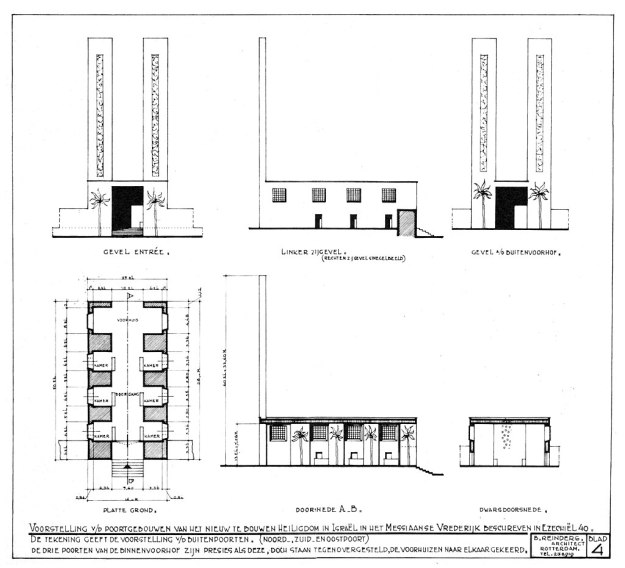
Ezekiel 35 Judgment on Edom and Hope for Judah

Kingdoms around Israel 830 BCE. *Oldtidens_Israel_&_Judea.svg: FinnWikiNoderivative work: Richardprins (talk)derivative work: Richardprins (talk) – Kingdoms_of_Israel_and_Judah_map_830.svg, CC BY-SA 3.0, https://commons.wikimedia.org/w/index.php?curid=10876701

 Ezekiel 35

1 The word of the LORD came to me: 2 Mortal, set your face against Mount Seir, and prophesy against it, 3 and say to it, Thus says the Lord GOD:

I am against you, Mount Seir; I stretch out my hand against you to make you a desolation and a waste.

4 I lay your towns in ruins; you shall become a desolation, and you shall know that I am the LORD.

5 Because you cherished an ancient enmity, and gave over the people of Israel to the power of the sword at the time of their calamity, at the time of their final punishment; 6 therefore, as I live, says the Lord GOD, I will prepare you for blood, and blood shall pursue you; since you did not hate bloodshed, bloodshed shall pursue you. 7 I will make Mount Seir a waste and a desolation; and I will cut off from it all who come and go. 8 I will fill its mountains with the slain; on your hills and in your valleys and in all your watercourses those killed with the sword shall fall. 9 I will make you a perpetual desolation, and your cities shall never be inhabited. Then you shall know that I am the LORD.

10 Because you said, “These two nations and these two countries shall be mine, and we will take possession of them,” — although the LORD was there — 11 therefore, as I live, says the Lord GOD, I will deal with you according to the anger and envy that you showed because of your hatred against them; and I will make myself known among you, when I judge you. 12 You shall know that I, the LORD, have heard all the abusive speech that you uttered against the mountains of Israel, saying, “They are laid desolate, they are given us to devour.” 13 And you magnified yourselves against me with your mouth, and multiplied your words against me; I heard it. 14 Thus says the Lord GOD: As the whole earth rejoices, I will make you desolate. 15 As you rejoiced over the inheritance of the house of Israel, because it was desolate, so I will deal with you; you shall be desolate, Mount Seir, and all Edom, all of it. Then they shall know that I am the LORD.

Mount Seir is a geographical linkage to the people of Edom. This reference to Mount Seir will parallel the references to the mountains of Israel in the following chapter. Chapter 35 and Chapter 36:1-15 function together to link the condemnation of Edom with the hope for the mountains of Israel. Edom received a short but harsh condemnation among the nations in Ezekiel 25: 12-14 and its frequent references in the prophets, Psalms, and Lamentations[1] illustrate a long-lasting struggle between the people of Israel/Judah and Edom. Verse five indicates that Mount Seir/Edom cherished an ancient enmity (literally an enmity of eternity in Hebrew) and this may go back to the origin narrative in scripture of Jacob and Esau (the biblical origins of Edom) where the twins struggled in Rebekah’s womb and throughout their lives.[2]

In the previous chapter Ezekiel pointed to a vision of a new shepherd or king (or more properly for Ezekiel prince) who is David. Now Ezekiel begins the process of a renewed relationship with the land, but before the people can have their relationship with the land renewed the intrusions of the Edomites must be dealt with by God. In the vacuum left by the depopulation of the land by Babylon (and earlier Assyria for the northern kingdom) the Edomites have viewed this as a time to stake their claim on this fertile land. The Hebrew root behind ‘desolation’ or ‘desolate’ occurs ten times in this short section and set the theme for this judgment of Mount Seir. The abusive speech and actions of the people of Edom have been heard by the LORD and will be dealt with by God’s actions. The removal of the people by Nebuchadrezzar (acting as God’s agent of judgment) does not remove the land from God’s protection. This is a message of hope for the people of Judah. Those who have rejoiced and profited from the desolation of the people of Israel and may be participating in hunting down the survivors still remaining in the land will now experience their own judgment and desolation. This turn by God against the nations who are plundering the land of Israel will lead in the following chapter to a renewal of the land for the people of Israel.

[1] Amos 1: 11-12, Isaiah 34: 5-17, Jeremiah 49: 7-22, Malachi 1: 2-5, Obadiah 11-14, Psalm 137:7, and Lamentations 4: 21-22.

[2] Genesis 25: 22-34 and the continuing narrative which runs through Genesis 33.

Ezekiel 34 Unfaithful and Faithful Shepherd

Sheep in Turkmenistan By Bayram A – Own work, CC BY-SA 4.0, https://commons.wikimedia.org/w/index.php?curid=104988739

Ezekiel 34: 1-10 Against the Unfaithful Shepherds of Israel

1 The word of the LORD came to me: 2 Mortal, prophesy against the shepherds of Israel: prophesy, and say to them — to the shepherds: Thus says the Lord GOD: Ah, you shepherds of Israel who have been feeding yourselves! Should not shepherds feed the sheep? 3 You eat the fat, you clothe yourselves with the wool, you slaughter the fatlings; but you do not feed the sheep. 4 You have not strengthened the weak, you have not healed the sick, you have not bound up the injured, you have not brought back the strayed, you have not sought the lost, but with force and harshness you have ruled them. 5 So they were scattered, because there was no shepherd; and scattered, they became food for all the wild animals. 6 My sheep were scattered, they wandered over all the mountains and on every high hill; my sheep were scattered over all the face of the earth, with no one to search or seek for them.

7 Therefore, you shepherds, hear the word of the LORD: 8 As I live, says the Lord GOD, because my sheep have become a prey, and my sheep have become food for all the wild animals, since there was no shepherd; and because my shepherds have not searched for my sheep, but the shepherds have fed themselves, and have not fed my sheep; 9 therefore, you shepherds, hear the word of the LORD: 10 Thus says the Lord GOD, I am against the shepherds; and I will demand my sheep at their hand, and put a stop to their feeding the sheep; no longer shall the shepherds feed themselves. I will rescue my sheep from their mouths, so that they may not be food for them.

Scripture utilize the metaphor of shepherd to refer to the king or leaders among the people frequently, and this taps into a broader utilization of this metaphor in literature throughout the region.[1] This is not the first time that Ezekiel has criticized the leaders who led the people of Judah to disaster, but this is the first time the prophet taps into this well understood metaphor. These shepherds who are responsible for a flock that is entrusted to them have looked to their own welfare instead of the welfare of the flock they are to care for. Instead of feeding the flock in the metaphor they feed on the flock. They have not cared for the vulnerable, which was to be the responsibility of the leaders of Israel, instead they have profited from the produce of the sheep. They either drink the milk from or eat the fat of the sheep,[2] wear the wool from the sheep, and slaughter the fatlings of the flock. These leaders have fleeced their followers, and the very ones charged with protecting and feeding them have abused them. This metaphor is very similar to Jeremiah 23:1-6, and it is plausible that Ezekiel would be familiar with Jeremiah’s utilization of this imagery as well.

The founding story of the people of Israel is the Exodus, and their existence as slaves under Pharoah was to be the antitheses of their existence as the people of God. Yet now the leaders are ruling with force and harshness. The word translated harshness (parak) is the same work utilized in Exodus 1:13-14 for Pharoah’s oppression of the Israelites. Leviticus 25: 43, 46, and 53 explicitely warns against treating fellow Israelites in with harshness (parak). In addition to the metaphor of the shepherds not caring for and even eating the flock we now have an allusion to these princes in Judah acting like the Pharoah of ancient times towards the people.

Micaiah son of Imlah predicted the failure of King Ahab’s campaign against Aram stating, “I saw all Israel scattered on the mountains, like sheep that have no shepherd; and the LORD said, ‘These have no master; let each one go home in peace.’” (1 Kings 22:17) Although the people of Judah have recently suffered a military defeat, these inattentive shepherds have already created a situation similar to the confusion after Ahab’s death. In the metaphor these sheep are without a shepherd and wander not only over the mountains of Israel but are scattered over all the face of the earth.

These unfaithful shepherds who have failed the sheep now have to account for the sheep they have failed to care for. The owner of the sheep is not the shepherds but is the LORD the God of Israel. God, as the owner of the flock, will now have to find a different arrangement to ensure the health of the flock, but the shepherds are under judgment. Since the shepherds would not search for or gather the flock, the remainder of the chapter turns to a hopeful note for the flock where good shepherds are given responsibility for the care of the flock.

Ezekiel 34: 11-22 God the Shepherd

11 For thus says the Lord GOD: I myself will search for my sheep, and will seek them out. 12 As shepherds seek out their flocks when they are among their scattered sheep, so I will seek out my sheep. I will rescue them from all the places to which they have been scattered on a day of clouds and thick darkness. 13 I will bring them out from the peoples and gather them from the countries, and will bring them into their own land; and I will feed them on the mountains of Israel, by the watercourses, and in all the inhabited parts of the land. 14 I will feed them with good pasture, and the mountain heights of Israel shall be their pasture; there they shall lie down in good grazing land, and they shall feed on rich pasture on the mountains of Israel. 15 I myself will be the shepherd of my sheep, and I will make them lie down, says the Lord GOD. 16 I will seek the lost, and I will bring back the strayed, and I will bind up the injured, and I will strengthen the weak, but the fat and the strong I will destroy. I will feed them with justice.

17 As for you, my flock, thus says the Lord GOD: I shall judge between sheep and sheep, between rams and goats: 18 Is it not enough for you to feed on the good pasture, but you must tread down with your feet the rest of your pasture? When you drink of clear water, must you foul the rest with your feet? 19 And must my sheep eat what you have trodden with your feet, and drink what you have fouled with your feet?

20 Therefore, thus says the Lord GOD to them: I myself will judge between the fat sheep and the lean sheep. 21 Because you pushed with flank and shoulder, and butted at all the weak animals with your horns until you scattered them far and wide, 22 I will save my flock, and they shall no longer be ravaged; and I will judge between sheep and sheep.

Throughout the Hebrew Scriptures the image of God being the shepherd for the people is connected with God being the king for the people.[3] Although the time period of the judges, early in Israel’s story, was a time of conflict and the people desired a king to unify the people for military campaigns or security, there is always an element where Israel was to embody a different way of being than the surrounding nations. There is a strong voice in the Hebrew Scriptures that resists the appointment of a king over the people which critiques the failures of the kings to stay within the restrained vision of kingship that texts like Deuteronomy 17: 14-20 present. Yet, the kings of Judah and Israel have now lost their authority, and as we saw previously it because of their unfaithfulness in their care for the people. The prophets and poets of the people have imagined a reality where God is their king, and now continuing the shepherd metaphor now God does what the unfaithful shepherds did not.

The previous shepherds have allowed the flock to be scattered throughout the earth, and now God is the one to regather the flock and bring then back to the rich pastures of the land of Israel. This is one of the images of a hopeful future for the people beyond exile in Babylon. Even beyond the exiles of Judah in Babylon and Egypt, there is probably also a hope for the tribes of the Northern Kingdom that were scattered throughout the Assyrian empire being reunified into a healed nation of Israel. This is a hopeful vision for those who are weak, injured, lost and strayed but life in this renewed kingdom is a life of justice. The fat and the strong who have exploited the weak and injured will now be fed with justice. There is an imagined leveling of society in this image.

Even within the flock there are those who refuse to live in a way that is beneficial for the community. Using two complementary images: sheep who trample the pasture and foul the waters and fat sheep who pushed the weak animals away from the food and water, these exploiters are highlighted. God’s concern is for the larger flock, and if there are individual animals who prevent the weaker animals from having the pasture and water they need the LORD will see and deal with them.

Ezekiel 34: 23-31 David as Shepherd

23 I will set up over them one shepherd, my servant David, and he shall feed them: he shall feed them and be their shepherd. 24 And I, the LORD, will be their God, and my servant David shall be prince among them; I, the LORD, have spoken.

25 I will make with them a covenant of peace and banish wild animals from the land, so that they may live in the wild and sleep in the woods securely. 26 I will make them and the region around my hill a blessing; and I will send down the showers in their season; they shall be showers of blessing. 27 The trees of the field shall yield their fruit, and the earth shall yield its increase. They shall be secure on their soil; and they shall know that I am the LORD, when I break the bars of their yoke, and save them from the hands of those who enslaved them. 28 They shall no more be plunder for the nations, nor shall the animals of the land devour them; they shall live in safety, and no one shall make them afraid. 29 I will provide for them a splendid vegetation so that they shall no more be consumed with hunger in the land, and no longer suffer the insults of the nations. 30 They shall know that I, the LORD their God, am with them, and that they, the house of Israel, are my people, says the Lord GOD. 31 You are my sheep, the sheep of my pasture and I am your God, says the Lord GOD.

Ezekiel, like Jeremiah, has been involved in dismantling a ‘Zion theology’ which placed its trust in the Davidic king, the city of Jerusalem, the temple, and the land as signs of God’s unending favor. Each of these things have been lost by the people, but now Ezekiel begins to rebuild and reimagine each of these former signs of God’s favor beginning with the line of David. In a reunified and gathered Israel there is a new shepherd appointed by God, David. Yet, this new Davidic figure is not given the title of king, but the title of prince. God remains king while David is the prince chosen to faithfully shepherd the people in this time of blessing and prosperity.

Ezekiel and the other prophets of both the exile and post exile refer to a Davidic figure as a symbol of a new time of prosperity under God. In Ezekiel the figure is David, but elsewhere the prophets will utilize imagery of a righteous branch raised up for David, raising up the fallen booth of David, or a child on the throne of David.[4] Even for all of Ezekiel’s critique of the princes of Israel, it would probably be unimaginable to return to a time where there was no earthly representative of God’s rule for the people.

God initiates for the people a covenant of peace where the wild animals are banished from the land. The banishment of the wild animals I believe is a continuation of the sheep/shepherd metaphor since sheep are often prey to many predators. God is creating a safe space of prosperity for the flock to pasture and be watered in, and the fields and trees will have the water in the proper time to ensure plenty of food. They will be rescued from their captivity and returned to a land of plenty. This people who has known the humiliation of military defeat, the destruction of their homeland, and the reality of exile among the nations will now be brought home to heal. The result of God’s action on their behalf is that they will know the LORD. They will recognize that their prosperity and security come from God and they, like sheep under a good shepherd in good pastures, will have all they need for their life.

[1] Daniel Block and many other commentators point to the connection with Sumerian and Babylonian literature. (Block, 1998, pp. 280-281)

[2] Translation depends in whether the Hebrew consonants hhlb. The Septuagint (Greek) and Vulgate (Latin) translations read this as hehalab (milk) while the MT (Hebrew text) has haheleb (fat). Arguments can be made for either translation.

[3] Jeremiah 23:3, Psalm 23, Micah 2:12.

[4] Jeremiah 23:5, Isaiah 11:1, Amos 9:11, Isaiah 9: 6-7.

Ezekiel 33 The Beginning of Ezekiel’s Role After Jerusalem’s Fall

Poole, Paul Falconer; Sketch for ‘Vision of Ezekiel’; Tate; http://www.artuk.org/artworks/sketch-for-vision-of-ezekiel-201293

Chapter 33 of Ezekiel functions structurally as a hinge between the judgment of the previous thirty two chapters and the messages of hope that much of the remaining fourteen chapters involve. This chapter rearticulates numerous themes from throughout the early chapters but also helps to prepare us for the changed situation as the majority of the people find themselves in exile. Like the other biblical prophets, the movement to hope does not mean an abandonment of their message God’s desired repentance.

Ezekiel 33: 1-9 The Sentinel for the People

1 The word of the LORD came to me: 2 O Mortal, speak to your people and say to them, If I bring the sword upon a land, and the people of the land take one of their number as their sentinel; 3 and if the sentinel sees the sword coming upon the land and blows the trumpet and warns the people; 4 then if any who hear the sound of the trumpet do not take warning, and the sword comes and takes them away, their blood shall be upon their own heads. 5 They heard the sound of the trumpet and did not take warning; their blood shall be upon themselves. But if they had taken warning, they would have saved their lives. 6 But if the sentinel sees the sword coming and does not blow the trumpet, so that the people are not warned, and the sword comes and takes any of them, they are taken away in their iniquity, but their blood I will require at the sentinel’s hand.

7 So you, mortal, I have made a sentinel for the house of Israel; whenever you hear a word from my mouth, you shall give them warning from me. 8 If I say to the wicked, “O wicked ones, you shall surely die,” and you do not speak to warn the wicked to turn from their ways, the wicked shall die in their iniquity, but their blood I will require at your hand. 9 But if you warn the wicked to turn from their ways, and they do not turn from their ways, the wicked shall die in their iniquity, but you will have saved your life.

This rearticulation of Ezekiel’s role as a sentinel to the people of Israel echoes a similar passage in Ezekiel 3: 16-20. The word for sentinel in Hebrew (sopeh) comes from the shofar (trumpet/horn) which the watcher would blow. Ezekiel’s warning to the wicked and even the righteous may not be heeded, but he is under an obligation to sound the alarm announcing God’s judgment regardless. Both Hosea and Jeremiah[1] have performed this role of sounding a trumpet in the land or acting as a sentinel before and even if the people do not heed the trumpet call. Yet the prophet’s calling is to raise the alarm even if the people ignore the sound.

The wicked and the righteous are a common polarity used throughout wisdom literature, and Ezekiel who likely grew up schooled to be a priest was likely familiar with this way of engaging the world. Ezekiel uses the term wicked (rasa) more than any prophetic book, but the character of God is to desire repentance even among the wicked. The prophet is not to judge the worthiness of the recipients of God’s alarm but to raise the sound that they may hear. Even those who were once righteous but who commit iniquity are not exempt from God’s judgment. The ‘stumbling block’ (miksol) is “not an occasion for sin but a cause of downfall and ruin.” (NIB VI: 1135) As Katheryn Pfisterer Darr states about Ezekiel’s task,

His life depends solely on his performance of the task; it does not hang on the people’s response. Lives may be saved as a result of his warning. But Ezekiel is not told to hold that possibility before his audience. (NIB VI: 1135)

Like his older contemporary Jeremiah[2] he is charged with bearing an unpopular message to resistant people. Yet, as mentioned above the prophet is not in control. Ezekiel is called as a sentinel to the people, but his call does not come from the people. The words he is to speak are not his words, he is animated by a spirit not his own, and God’s hand will be upon him. Any unfaithfulness of Ezekiel will not save the wicked or righteous, but they will endanger the prophet.

Ezekiel 33: 10-20 The Justice of God’s Ways

10 Now you, mortal, say to the house of Israel, Thus you have said: “Our transgressions and our sins weigh upon us, and we waste away because of them; how then can we live?” 11 Say to them, As I live, says the Lord GOD, I have no pleasure in the death of the wicked, but that the wicked turn from their ways and live; turn back, turn back from your evil ways; for why will you die, O house of Israel? 12 And you, mortal, say to your people, The righteousness of the righteous shall not save them when they transgress; and as for the wickedness of the wicked, it shall not make them stumble when they turn from their wickedness; and the righteous shall not be able to live by their righteousness when they sin. 13 Though I say to the righteous that they shall surely live, yet if they trust in their righteousness and commit iniquity, none of their righteous deeds shall be remembered; but in the iniquity that they have committed they shall die. 14 Again, though I say to the wicked, “You shall surely die,” yet if they turn from their sin and do what is lawful and right — 15 if the wicked restore the pledge, give back what they have taken by robbery, and walk in the statutes of life, committing no iniquity — they shall surely live, they shall not die. 16 None of the sins that they have committed shall be remembered against them; they have done what is lawful and right, they shall surely live.

17 Yet your people say, “The way of the Lord is not just,” when it is their own way that is not just. 18 When the righteous turn from their righteousness, and commit iniquity, they shall die for it. 19 And when the wicked turn from their wickedness, and do what is lawful and right, they shall live by it. 20 Yet you say, “The way of the Lord is not just.” O house of Israel, I will judge all of you according to your ways!

This is the first time we have a confession of sin from the house of Israel in Ezekiel. The people have come a long way from when Ezekiel and other prophets were mocked for their words of doom that had not transpired. Now we hear, through Ezekiel, of a realization by the people that their actions have led to the deathlike state they inhabit.  They are weighed down by their sin and it has caused them to waste away[3] and they openly ask how they can live under the weight of their actions. This plaintive cry fits within the Hebrew tradition of lament to attempt to mobilize the God of Israel to bring about their deliverance from the deathlike state of exile. The answer that God grants through the prophet has a hopeful element to it that is often missed.

God’s response begins with the ‘oath of denial’ (NIB VI: 1446) “As I live” which places the trustworthiness of these words in connection with God’s life. The God of Israel immediately declares that God takes no pleasure in the death of the wicked and argues in a manner similar to Ezekiel 18. This may indeed be good news for people who are finally willing to accept responsibility for their previous actions and who are willing to turn from their past wickedness and embrace the way of righteousness. There is an opportunity for those who previously ignored their sentinel and continued in the ways of wickedness to turn and have their sins no longer remembered against them.

Throughout the book of Ezekiel the prophet has argued for the ‘justness’ of God. The current generation look at God’s patience with previous generations who continued to live in the land while they sinned and may have viewed their generation as bearing the judgment of their ancestors. Yet, for Ezekiel, God is just. God has repeatedly sent sentinels for the people, God has desired their repentance, and even now the judgment of God is not eternal. For Ezekiel the ways of God are simple: if the people turn from wickedness and live in righteousness there is a future. If they turn from righteousness to wickedness there is death. It is the classic pattern of wisdom literature in the bible.

Post Reformation Protestant readers often read scripture through the lens of God’s mercy, but the Hebrew Scriptures are probably better understood through being at the mercy of God. Both individuals and the people as a whole are dependent upon God for their protection and provision. There are times where they will protest the perceived injustice of God’s ways, but this is to provoke God to action rather than as a lack of faith. Ezekiel perceives the people’s future as dependent upon God’s action, and God’s action is tied to the people’s righteousness or wickedness.

Ezekiel 33: 21-29 The Fall of the City and Those Who Remain

21 In the twelfth year of our exile, in the tenth month, on the fifth day of the month, someone who had escaped from Jerusalem came to me and said, “The city has fallen.” 22 Now the hand of the LORD had been upon me the evening before the fugitive came; but he had opened my mouth by the time the fugitive came to me in the morning; so my mouth was opened, and I was no longer unable to speak.

23 The word of the LORD came to me: 24 Mortal, the inhabitants of these waste places in the land of Israel keep saying, “Abraham was only one man, yet he got possession of the land; but we are many; the land is surely given us to possess.” 25 Therefore say to them, Thus says the Lord GOD: You eat flesh with the blood, and lift up your eyes to your idols, and shed blood; shall you then possess the land? 26 You depend on your swords, you commit abominations, and each of you defiles his neighbor’s wife; shall you then possess the land? 27 Say this to them, Thus says the Lord GOD: As I live, surely those who are in the waste places shall fall by the sword; and those who are in the open field I will give to the wild animals to be devoured; and those who are in strongholds and in caves shall die by pestilence. 28 I will make the land a desolation and a waste, and its proud might shall come to an end; and the mountains of Israel shall be so desolate that no one will pass through. 29 Then they shall know that I am the LORD, when I have made the land a desolation and a waste because of all their abominations that they have committed.

Ezekiel reports the community in exile receiving the news of Jerusalem’s fall. The dating system makes the best sense if it follows the dating system referred to in Ezekiel 24, which follows the dating of 2 Kings and Jeremiah, rather than Ezekiel’s normal dating system. This allows the word to reach the exiles just under five months after the fall of Jerusalem, which seems like a long time for us, but if this is a person traveling with the first wave of new exiles traveling with families and animals by foot, the slow passage from Judah to Babylon is understandable. Travel in the ancient world was a slow and arduous process, especially when we are talking about moving entire communities. This confirmation of the destruction of the city now opens the possibility of Ezkiel opening his mouth to intercede for the people. Previously the prophet was not to intercede for the people, God no longer wanted to listen, but now the prophet’s mouth is opened.

Yet not all the inhabitants of Judah are deported. There is a remnant of people in the country and the poorest in the land. Now this remnant believes that they can now inherit the land, just as Abraham’s descendants did. This reference back to Abraham may involve a return to the story of the people, but the prophet’s words indicate that the actions of these remaining in Judah have not changed. The evocation of Abraham’s name has not brought about a reformation of practices. They still eat meat with blood in it, like the Gentiles, shed blood, and lift up their eyes to idols. The practices of the people have not changed. They depend on their ability to force their will by the sword, they commit the abominations that Ezekiel has protested throughout his time as a prophet, and they do not respect the boundaries of relations between neighbors. They have continued to practice wickedness and although they may have avoided punishment previously, their actions have not gone unseen by God. They stand under the same judgment that their neighbors enroute to Babylon or deceased in Judah endured. The evocation of Abraham’s name do not make them the heirs to the land.

If the people remaining in the land began appropriating the land, resources, and wealth left behind by the exiles and the dead they did not endear themselves to the exiles in Babylon or those enroute. Like the villainous Thenardiers couple in Les Misérables looting the corpses of the dead to ensure their prosperity, these remaining Judeans who benefited from the looting of Judah would likely be viewed in a similar way to the nations which took advantage of Jerusalem’s precarious position during and after the siege of the city. Ezekiel is one of our windows into this time in the life of the people of Judah, and we see a shattered and conflicted community. Sometimes the vultures picking over the corpse of the nation are not from outside the community, but those who see an opportunity for profiting off their neighbors’ misfortune.

Ezekiel 33: 30-33 The Toleration of the Prophet

30 As for you, mortal, your people who talk together about you by the walls, and at the doors of the houses, say to one another, each to a neighbor, “Come and hear what the word is that comes from the LORD.” 31 They come to you as people come, and they sit before you as my people, and they hear your words, but they will not obey them. For flattery is on their lips, but their heart is set on their gain. 32 To them you are like a singer of love songs, one who has a beautiful voice and plays well on an instrument; they hear what you say, but they will not do it. 33 When this comes — and come it will! — then they shall know that a prophet has been among them.

Even the people who now listen to Ezekiel’s words have not changed. The prophet may be the talk of the community, his words have not caused them to change. They like to listen to his words, they may have enjoyed his metaphors or sign actions, but they are entertained, not challenged to change. There will come a time when they understand this strange messenger is indeed a prophet among them, and many of Ezekiel’s words have come to pass. At this point, but for now the heart of the people has not changed. Their words may be kind or flattering. They may appreciate the prophet’s artistry, but they miss the point of the art.

[1] Hosea 9:8, Jeremiah 4: 5, 19, 21; 6: 1, 17; 51:27

[2] As Daniel Block notes (assuming that the thirtieth year at the beginning of Ezekiel reflects his age) Jeremiah would begin his ministry about the time Ezekiel was born. (Block, 1997, p. 148) It is likely that Ezekiel may have grown up knowing Jeremiah’s voice or message and both prophets share the challenging job of dismantling the theology that had grown up around Jerusalem, the temple, and the Davidic kings. Both were probably never popular but proved to be essential voices to make sense of the destruction of Jerusalem and the temple by Babylon.

[3] The Hebrew maqoq (NRSV waste away) is used elsewhere of gangrenous flesh. (Block, 1997, p. 246)

Ezekiel 32 Concluding the Oracles Against Egypt

Nile Crocodile Eating a Wildabeast in the Masai Mara By Arturo de Frias Marques – Own work, CC BY-SA 4.0, https://commons.wikimedia.org/w/index.php?curid=34596035

Ezekiel 32: 1-16 Egypt as the Dragon of the Seas

1In the twelfth year, in the twelfth month, on the first day of the month, the word of the LORD came to me: 2Mortal, raise a lamentation over Pharaoh king of Egypt, and say to him:
You consider yourself a lion among the nations,
but you are like a dragon in the seas;
you thrash about in your streams,
trouble the water with your feet,
and foul your streams.
3Thus says the Lord GOD:
In an assembly of many peoples
I will throw my net over you;
and I will haul you up in my dragnet.
4I will throw you on the ground,
on the open field I will fling you,
and will cause all the birds of the air to settle on you,
and I will let the wild animals of the whole earth gorge themselves with you.
5I will strew your flesh on the mountains,
and fill the valleys with your carcass.
6I will drench the land with your flowing blood
up to the mountains,
and the watercourses will be filled with you.
7When I blot you out, I will cover the heavens,
and make their stars dark;
I will cover the sun with a cloud,
and the moon shall not give its light.
8All the shining lights of the heavens
I will darken above you,
and put darkness on your land,
says the Lord GOD.
9I will trouble the hearts of many peoples,
as I carry you captive among the nations,
into countries you have not known.
10I will make many peoples appalled at you;
their kings shall shudder because of you.
When I brandish my sword before them,
they shall tremble every moment
for their lives, each one of them,
on the day of your downfall.
11For thus says the Lord GOD:
The sword of the king of Babylon shall come against you.
12I will cause your hordes to fall
by the swords of mighty ones,
all of them most terrible among the nations.
They shall bring to ruin the pride of Egypt,
and all its hordes shall perish.
13I will destroy all its livestock
from beside abundant waters;
and no human foot shall trouble them any more,
nor shall the hoofs of cattle trouble them.
14Then I will make their waters clear,
and cause their streams to run like oil, says the Lord GOD.
15When I make the land of Egypt desolate
and when the land is stripped of all that fills it,
when I strike down all who live in it,
then they shall know that I am the LORD.
16This is a lamentation; it shall be chanted.
The women of the nations shall chant it.
Over Egypt and all its hordes they shall chant it,
says the Lord GOD.

The sixth oracle against Egypt is labeled as a lamentation and is framed by the Hebrew word for lamentation once in the second verse and four times[1] in verse sixteen. Yet, the intervening poem does not share the normal pattern of lifting in praise the object of the lament followed by a fall in most biblical laments. Within the larger structure of Ezekiel, the previous chapter may fulfill this purpose, but this ‘dragon of the seas’ while a mighty beast is not a sympathetic character at the beginning of the lament. Yet, unlike the previous usage of a metaphor for Assyria, as a great tree felled, the imagery is directly related to Egypt’s Pharoah and its military might.

In contrast to the self-perception of Pharoah as a lion among the nations,[2] but the LORD indicates through Ezekiel that he is a ‘dragon of the seas.’ We are again exposed to the Hebrew word tannin, here dragon, which often refers to a mythical sea creature and in chapter 29 referred to Pharoah as a crocodile. Here there are crocodile-like elements, the creature has feet instead of fins or flippers, but instead of being a creature of the rivers it is a creature of the seas. Part of this contrasting set of metaphors may be related to Egypt’s perception of themselves as a land-based power with a strong army (a lion among the nations) but their real power may be in their naval and merchant fleets which would prove less valuable in a defense of the homeland. Yet, this ‘dragon of the seas’ now seems to be confined to thrashing about in its streams, troubling the water with its feet, and fouling the streams. The presence of this ‘dragon of the seas’ presents in the image an ecological crisis for the waters it inhabits.

This massive beast is summarily dealt with when a net is thrown over it and it is brought out of the waters and cast on the land. Previously the LORD had cast his net over Zedekiah,[3] now the Egyptian Pharoah who Zedekiah appealed to for aid against Babylon is also ensnared. The timing of this oracle, indicated by Ezekiel’s date as March 3, 585 BCE would be two months after the exiles learn of the destruction of Jerusalem, may indicate the reason for this oracle.  Although the city is gone there may still be some lingering hope that the great sea dragon of Egypt would rouse itself fully and attack Babylon in retaliation for Jerusalem. For Ezekiel the army of Babylon under Nebuchadrezzar has been functioning on behalf of the God of Israel and now only Egypt opposes the reign of Babylon. Yet, in Ezekiel’s image the sea dragon is out of its element and serves only as food for the birds of the air and the wild animals who gorge on it. The dragon is now the food for vultures and jackals.

The metaphorical destruction of Egypt’s hordes and Pharoah has both grotesque elements and cosmic elements. Egypt is not a land of mountains and valleys, yet the carcass of the beast falls on both mountains and valleys and the blood of the beast fills the land. At the same time the defeat of this beast causes the sun, moon, and the stars to be blocked out.[4] Such a drastic change on the seas and the earth is reflected by the shrouding of the heavens. The impact of Egypt’s departure from the nations causes other kings to shudder when the LORD responsible for this upheaval brandishes his sword at them as well.

The sword of the LORD is quickly indicated to be the sword of the king of Babylon and the swords of his mighty ones. They are both the most terrible among the nations and yet they are still the chosen instrument of God. Both the humans and the animals of Egypt are destroyed, and the land is desolate. Although there is a positive ecological impact on the waters as humans and animals are removed. The once fouled and troubled waters now flow like oil.

The great sea monster, just like the crocodile-like figure in chapter 29, is removed from their element and the predator becomes prey. Isaiah will later utilize a similar praise for God’s strength over Egypt by saying:

Awake, awake, put on strength, O arm of the LORD! Awake, as in days of old, the generations of long ago! Was it not you who cut Rahab in pieces, who pierced the dragon? Isaiah 53:9[5]

Ezekiel has condemned Jerusalem’s leadership for trusting in Egypt instead of the LORD. Ezekiel’s voice was probably not popular during this time when the nation of Judah collapsed, but Ezekiel’s continual emphasis on God’s strength being enacted through Babylon likely helped the people make sense of their shattered lives in the aftermath of the destruction of Jerusalem, the temple, and their political system. Ezekiel’s imagery may have also influenced the beast from the sea in Revelation13:1-10.[6]

Ezekiel 31: 17-32 Egypt Goes Down to the Pit


17In the twelfth year, in the first month, on the fifteenth day of the month, the word of the LORD came to me:
18Mortal, wail over the hordes of Egypt,
and send them down,
with Egypt and the daughters of majestic nations,
to the world below,
with those who go down to the Pit.
19“Whom do you surpass in beauty?
Go down! Be laid to rest with the uncircumcised!”
20They shall fall among those who are killed by the sword. Egypt has been handed over to the sword; carry away both it and its hordes. 21The mighty chiefs shall speak of them, with their helpers, out of the midst of Sheol: “They have come down, they lie still, the uncircumcised, killed by the sword.”
22Assyria is there, and all its company, their graves all around it, all of them killed, fallen by the sword. 23Their graves are set in the uttermost parts of the Pit. Its company is all around its grave, all of them killed, fallen by the sword, who spread terror in the land of the living.
24Elam is there, and all its hordes around its grave; all of them killed, fallen by the sword, who went down uncircumcised into the world below, who spread terror in the land of the living. They bear their shame with those who go down to the Pit. 25They have made Elam a bed among the slain with all its hordes, their graves all around it, all of them uncircumcised, killed by the sword; for terror of them was spread in the land of the living, and they bear their shame with those who go down to the Pit; they are placed among the slain.
26Meshech and Tubal are there, and all their multitude, their graves all around them, all of them uncircumcised, killed by the sword; for they spread terror in the land of the living. 27And they do not lie with the fallen warriors of long ago who went down to Sheol with their weapons of war, whose swords were laid under their heads, and whose shields are upon their bones; for the terror of the warriors was in the land of the living. 28So you shall be broken and lie among the uncircumcised, with those who are killed by the sword.
29Edom is there, its kings and all its princes, who for all their might are laid with those who are killed by the sword; they lie with the uncircumcised, with those who go down to the Pit.
30The princes of the north are there, all of them, and all the Sidonians, who have gone down in shame with the slain, for all the terror that they caused by their might; they lie uncircumcised with those who are killed by the sword, and bear their shame with those who go down to the Pit.
31When Pharaoh sees them, he will be consoled for all his hordes — Pharaoh and all his army, killed by the sword, says the Lord GOD. 32For he spread terror in the land of the living; therefore he shall be laid to rest among the uncircumcised, with those who are slain by the sword — Pharaoh and all his multitude, says the Lord GOD.

This final oracle against both Egypt and the nations consigns Pharoah and his multitude to the Pit along with the nations who went before. There is no month in the Hebrew text for the date and the NRSV assumes that it should be the first month of the twelfth year, although I agree with both Block, and other scholars, who follow the cue of the previous oracle and have it in the first month roughly two weeks after the sixth oracle. (Block, 1998, p. 216) Egyptian royalty invested heavily in creating royal tombs to ensure that in their afterlife they would have both wealth and power, but here they join all the other nations in the Pit or Sheol. Both the Egyptians and Phoenicians mentioned here practiced circumcision, so their coming down to lie with the uncircumcised means a dishonorable death. Instead of the wealth and power they exercised, all that waits for them in Sheol is the presence of the other nations who went before.

This final oracle is highly repetitive using words like horde, go down, uncircumcised, and sword frequently in its descriptions. All these empires or nations had armies, all failed and suffered shame, all were overthrown by a greater empire with a larger army (sword). Assyria’s domain had once been great, and their rule was violent. Empires in the ancient world were violent and the accusation of spreading terror fits with Assyria’s self-description of their rule under Shalmaneser III:

I slew their warriors with the sword, descending upon them like (the god) Adad when he makes the rainstorm pour down. In the moat (of the town) I piled them up, I covered the wide plain with the corpses of their fighting me, I dyed the mountains with their blood like red wool. I took away from him many chariots (and) horses broken to the yoke. I erected pillars of skulls in front of his town, destroyed his (other) towns, tore down (their walls) and burnt (them) down. (ANET 277 quoted in NIB VI: 1442)

Now these once fierce Assyrians with their graves surrounding their leaders who once spread terror in the land of the living occupy the uttermost parts of the Pit. They were violent in life but now in death they are a part of the company of the dishonored who await Egypt. Elam, from modern day Iran, appear in the biblical writing rarely, although Jeremiah has an oracle against the Elamites,[7] and Isaiah portrays Elam as a nation skilled in archery and chariotry (or cavalry) which participated in Assyria’s attack of Judah.[8] Meshech-Tubal appeared in Ezekiel 27: 13 as nations who trafficked in the slave trade and bronze vessels and they will appear in Ezekiel 38:2 as allies of Gog. Unlike some mysterious other warriors who went down to an honorable burial (with their weapon and shield) they have arrived in Sheol bereft of the weapons they once terrified the nations with. Edom received its own oracle in Ezekiel 25: 12-14 and was one of Judah’s close neighbors, while the princes of the north and Sidonians likely refer to the Phoenicians who control Tyre and Sidon.[9]

Sheol or the Pit are not places of torment like the later conceptions of Hell but are places of darkness.[10] It is not the hoped afterlife of the Egyptian rulers, but the consolation that is offered to Egypt is that they are not alone in being consigned to the dustbin of history. They take up their place among these other nations who once terrified the people in the place of the dead, disarmed and dishonored. Katheryn Pfisterer Darr notes insightfully that for all Ezekiel’s threats to Israel, God never consigns them to the Sheol. (NIB VI: 1445)

[1] The Hebrew qina, qonem is behind both lamentation and chant in verse sixteen.

[2] The nations (goyim) and many peoples are repetitive and unifying structures for this oracle.

[3] Ezekiel 12:13, 17:20.

[4] The prophet Joel uses similar darkening of the heavenly lights for the coming day of the LORD in Joel 2:10.

[5] Rahab is a cypher for Egypt as seen in Isaiah 30:7 and Psalm 87:4.

[6] Revelation’s description of the beast from the sea is significantly different from Ezekiel’s description of this ‘sea dragon’ but Ezekiel is one of the dominant influences on the imagery of Revelation.

[7] Jeremiah 49: 35-39.

[8] Isaiah 22:6.

[9] Ezekiel 2628.

[10] See my reflection on Gehenna, Tartaros, Sheol, Hades, and Hell.