Tag Archives: Steadfast love of God

Psalm 118 A Reflection on the Steadfast Love of God

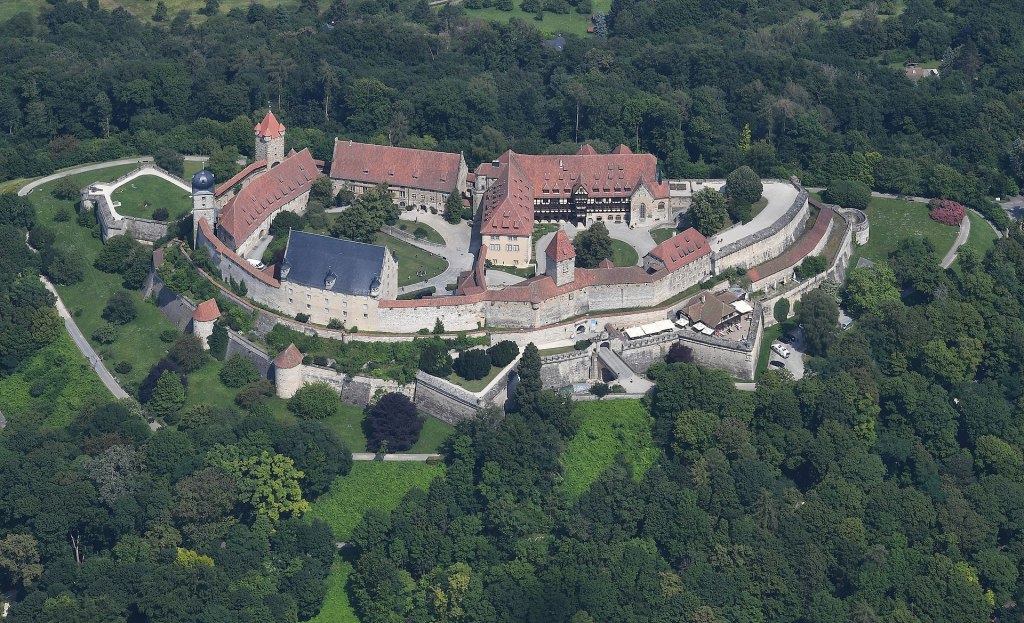
Aerial image of the Coburg Fortress By Carsten Steger – Own work, CC BY-SA 4.0, https://commons.wikimedia.org/w/index.php?curid=108179310

Psalm 118

1 O give thanks to the LORD, for he is good; his steadfast love endures forever!

2 Let Israel say, “His steadfast love endures forever.”

3 Let the house of Aaron say, “His steadfast love endures forever.”

4 Let those who fear the LORD say, “His steadfast love endures forever.”

5 Out of my distress I called on the LORD; the LORD answered me and set me in a broad place.

6 With the LORD on my side I do not fear. What can mortals do to me?

7 The LORD is on my side to help me; I shall look in triumph on those who hate me.

8 It is better to take refuge in the LORD than to put confidence in mortals.

9 It is better to take refuge in the LORD than to put confidence in princes.

10 All nations surrounded me; in the name of the LORD I cut them off!

11 They surrounded me, surrounded me on every side; in the name of the LORD I cut them off!

12 They surrounded me like bees; they blazed like a fire of thorns; in the name of the LORD I cut them off!

13 I was pushed hard, so that I was falling, but the LORD helped me.

14 The LORD is my strength and my might; he has become my salvation.

15 There are glad songs of victory in the tents of the righteous: “The right hand of the LORD does valiantly;

16 the right hand of the LORD is exalted; the right hand of the LORD does valiantly.”

17 I shall not die, but I shall live, and recount the deeds of the LORD.

18 The LORD has punished me severely, but he did not give me over to death.

19 Open to me the gates of righteousness, that I may enter through them and give thanks to the LORD.

20 This is the gate of the LORD; the righteous shall enter through it.

21 I thank you that you have answered me and have become my salvation.

22 The stone that the builders rejected has become the chief cornerstone.

23 This is the LORD’s doing; it is marvelous in our eyes.

24 This is the day that the LORD has made; let us rejoice and be glad in it.

25 Save us, we beseech you, O LORD! O LORD, we beseech you, give us success!

26 Blessed is the one who comes in the name of the LORD. We bless you from the house of the LORD.

27 The LORD is God, and he has given us light. Bind the festal procession with branches, up to the horns of the altar.

28 You are my God, and I will give thanks to you; you are my God, I will extol you.

29 O give thanks to the LORD, for he is good, for his steadfast love endures forever.

Psalm 118 has the flow of a moment of worship with a repetition which easily leads to a responsive feel between the primary speaker and the congregation gathered. This psalm closes the Egyptian hallel psalms used during the Passover meal in the Jewish tradition and is the psalm for both Palm Sunday and Easter in the lectionary for Christians. Although we cannot know how this psalm was used in the time after its composition it does echo in all four gospels as they tell of the entry of Jesus into Jerusalem before the crucifixion as well as numerous other echoes throughout the New Testament. Martin Luther, while he was hiding at Coburg Castle during the Diet of Augsburg inscribed the words of verse seventeen on the wall as a message of confidence and reassurance. (Nancy deClaisse-Walford, 2014, p. 868) This worship like song of praise has shaped the practice and faith of countless generations of both Jewish and Christian faithful.

The opening words of Psalm 118 are words frequently used in gathering people for worship or concluding a prayer in worship in the Hebrew Scriptures. Chronicles uses nearly identical wording to close for David’s first psalm of thanksgiving when the ark of the covenant is brought into the tent of God, Solomon uses it while dedicating the temple, and Jehoshaphat uses these words in his reformation.[1] Both Psalm 106 and 107 have the same words in their opening verse. Particularly with the opening of Psalm 107 which begins book five of the psalter and Psalm 118 beginning and ending with this statement about the goodness of the LORD and the hesed (steadfast love NRSV) of God enduring forever may form both a bookend for the psalm but also for this portion of the psalter. Psalm 118 on its own and this group of psalms (107-118) can be grouped together as a reflection on the goodness and the hesed of God.

Israel, the house of Aaron, and those who fear the LORD are all to declare that the LORD’s hesed endures forever. These are the same trio of groups called upon to trust the LORD in Psalm 115: 9-11 and to the initial readers it was likely an emphatic way of referring to all of Israel, although most modern readers hear the final verse as expanding this trust and proclamation beyond Israel to ‘those who fear the LORD’ throughout the nations. For Psalm 118 the focus in the first four and final verse on the hesed of the LORD prepares the hearer of the psalm to reflect on the verses in between as demonstrating and explaining the unending hesed of the LORD.

The speaker speaks of the LORD’s rescue of them from a tight space. The Hebrew word for distress (mesar) in verse five has the sense of “narrow,” “restricted,” or “tight.” (NIB IV:1154) Knowing this fuller meaning gives a more poetic flow to the verse as the speaker is taken from a tight or narrow space into a broad place. This rescue leads the psalmist to speak in trust in confidence in the LORD’s ability to deliver from anything that mortals and rulers (princes) may array against them. As the apostle Paul will later state to the church in Rome in an echo of this psalm, “If God is for us, who is against us.” (Romans 8:31b) The psalm echoes the common image of God as a refuge against these mortals and princes arrayed against them.

These enemies poetically swarm like bees, blaze like fire among thorns and push hard against the psalmist but the LORD cuts them off and helps the faithful one in distress. The words of verse fourteen through sixteen pulls on the words of the song of Moses in Exodus 15:1-18, ancient songs of faith whose words that become relevant to the psalmist’s experience of delivery. After the ordeal which pushed the psalmist hard but the LORD delivered, they can exclaim that “I shall not die, but I shall live, and recount the deeds of the LORD.”

Throughout the Hebrew scriptures there is a primary testimony that punishment and testing all come from God. Yet, even in that testing and punishment there is mercy where God does not abandon the psalmist and allows them to both endure the moment and enter into this time of praise and triumph. There is the movement through the gates of the righteous into the worship space where the psalmist can lift up his triumphal praise with the congregation of the faithful. Verse twenty-two which speaks of the stone the builders rejected probably referred to the psalmist originally (Nancy deClaisse-Walford, 2014, p. 868) but this psalm is used multiple times in the New Testament as a way of reflecting on the rejection and exaltation of Jesus.[2] This marvelous deliverance from the tight space to the broad place allows the psalmist and those gathered with him to realize that “this is a day that the LORD has made; let us rejoice and be glad in it.”

The psalm closes with what continues to feel like a triumphal procession which continues to seek the favor of the LORD as they celebrate the moment of triumph. As mentioned above, verse twenty-six echoes in the gospel narration of Jesus’ entry into Jerusalem before his crucifixion. Even if we may not fully grasp the specifics of the worship event in the psalm where the festal procession is bound with branches, the movement towards the altar and the temple is clear. The people and the psalmist process in thanksgiving and praise to celebrate the experience of deliverance because of the hesed of God. They continue to worship the God they experience as a good God of unending steadfast love (hesed).


[1] 1 Chronicles 16:34; 2 Chronicles 5:13; 7:2; 20:21.

[2] Mark 12: 10-11; Acts 4: 11; Ephesians 2: 20-21; 1 Peter 2: 4-8.

Lamentations 5 Unless You Have Utterly Rejected Us

Farewell Melody by Ravil Akmaev Shared under the Creative Commons 3.0

Lamentations 5

1Remember, O LORD, what has befallen us; look, and see our disgrace!
2Our inheritance has been turned over to strangers, our homes to aliens.
3We have become orphans, fatherless; our mothers are like widows.
4We must pay for the water we drink; the wood we get must be bought.
5With a yoke on our necks we are hard driven; we are weary, we are given no rest.
6We have made a pact with Egypt and Assyria, to get enough bread.
7Our ancestors sinned; they are no more, and we bear their iniquities.
8Slaves rule over us; there is no one to deliver us from their hand.
9We get our bread at the peril of our lives, because of the sword in the wilderness.
10Our skin is black as an oven from the scorching heat of famine.
11Women are raped in Zion, virgins in the towns of Judah.
12Princes are hung up by their hands; no respect is shown to the elders.
13Young men are compelled to grind, and boys stagger under loads of wood.
14The old men have left the city gate, the young men their music.
15The joy of our hearts has ceased; our dancing has been turned to mourning.
16The crown has fallen from our head; woe to us, for we have sinned!
17Because of this our hearts are sick, because of these things our eyes have grown dim:
18because of Mount Zion, which lies desolate; jackals prowl over it.
19But you, O LORD, reign forever; your throne endures to all generations.
20Why have you forgotten us completely? Why have you forsaken us these many days?
21Restore us to yourself, O LORD, that we may be restored; renew our days as of old —
22unless you have utterly rejected us, and are angry with us beyond measure.

This final poem of Lamentations is the shortest of the five poems that make up the book and it has several differences from the preceding poems. It is one third of the length of the first three poems and half the length of Lamentations four. It also drops the acrostic[1] form but maintains the twenty-two lines that acrostic poems maintain. Yet more significant than the change in form and length is the change in voice and addressee. Previously there have been strong individual voices: daughter Zion, the narrator and the strong man, but now the voice of the poem becomes the communal ‘we.’ God has been a subject of the previous poems but was rarely addressed, now God is the direct addressee of this final poem. God has been absent and closed off throughout this book and yet the poet refuses to give up on God’s countenance returning to consider the plight of the people and acting upon that plight.

Most modern people of faith are used ideas of God inherited from philosophy that refer to God being omnipresent, omniscient, and all powerful. Yet, Hebrew thought doesn’t move in these patterns, nor would they care about a God who was all powerful and all seeing but did not act upon their world. The God of the Hebrew Scriptures is not an unmoved mover but a passionate and responsive God who may turn away in anger but whose steadfast love is unending. Yet, in this moment the people have experienced a God who in anger chooses not to see, hear, or respond to the people. This final poem, now in the voice of the people, once again calls upon their God to look at their situation, to see their troubles and their disgrace, and to act. In many ways the poem is echoes the protest psalms[2] which call upon God to remember the people and to deliver them from their turmoil.

The initial chapters of Jeremiah[3] utilize the metaphor of marriage between God and Jerusalem/Judah/the people, an image that is also utilized in Ezekiel 16 and is implied in the personification of daughter Zion in the initial two chapters of Lamentations. Now the image is reversed in this world where the inheritance of the people has been turned over to strangers and their homes to aliens. In a world where the people of Jerusalem and Judah have become orphans, the LORD is the absent father who has left their mothers to be like widows. God has abandoned the role of protector and provider for the people. Now the people are finding themselves as orphans in a world where nothing is provided. Water and wood must be purchased with hard labor. The joyous memory of childhood is forgotten under the hard labor and long days of their current bondage.

In verse six the people look in retrospect at the past alliances that they utilized to get the food they needed. They have relied upon Egypt and Assyria both for trade and for protection rather than trusting in their God. This reliance on God instead of military might, alliances, trade, and wealth has been a consistent theme in the law and the prophets but also was probably viewed as a naïve and unrealistic approach by many leaders of Israel and Judah. Yet, the poet looks upon the compromises of the past as evidence of the infidelity of the people to the LORD. They went to Egypt and Assyria to get bread in the past because they either did not fully rely on the LORD or were unfaithful to the covenant and therefore under judgment. By the time of Lamentations, Assyria was no longer a power in the world. Egypt continued to be relied on, even though they proved unreliable at the critical moment, by Judah until the collapse of Jerusalem. As the poet tries to make sense of the community’s current reality they look back to the sins of the past to explain the suffering of the present.

The poem describes an unsafe world that the people of Jerusalem now endure. The references may be to the time of the siege of Jerusalem or the entry into exile under Babylon. If the poem refers to the time of the siege of Jerusalem, the slaves that ruled over the people would come from Jerusalem. These would be the leaders left after the initial exile of leaders in 593 BCE when the Babylonians brought the king, many of the nobles and priests, and the best of the nation into Babylon. This is the background of the narrative beginning of the book of Daniel and the place where Ezekiel’s prophecies emerge from. Another alternative is that the ‘slaves’ are the servants of Nebuchadrezzar and the taskmasters who oversaw the removal of the people of Judah to their exile in Babylon. The witnesses of the siege of Jerusalem and the aftermath of the collapse both point to a treacherous time for the people. Providing for the daily needs of an individual or family in this chaotic time may have been a dangerous business. I’m reminded of the situation in Bosnia before U.N. Peacekeepers attempted to provide some stability, where men and women had to risk sniper fire to go to get groceries. Armed violent men could make even the simplest situations perilous. As mentioned in the previous poem, the nobles who had previously avoided having sunburned skin from working outdoors now have their fairer skin blackened by the sun and their fatness reduced by famine. Women are often the victims in times of conflict, and the poem does not shy away from the rape of both virgins and married women.

Elders and princes do not escape the punishment by the newly powerful ones. Being hung up by the hands is a form of torture and humiliation. It is probably not crucifixion, since that seems to emerge from the Persian empire, nor strappado which was a medieval punishment where the person is suspended by their hands being tied behind their back, used famously in Vietnam as a punishment for captured prisoners of war. Young men and old men both suffer in this moment. Young men carry the millstone, and the word for millstone (tehon) used here is not one of the regular words for this. A household millstone would be something a normal young man could easily bear, but perhaps this is something larger, and likewise carrying wood is something boys can do unless these are loads too heavy to bear. It is possible that these young men and boys are being asked to carry the loads that pack animals would normally carry and are being crushed under an unbearable weight. (Goldingay, 2022, p. 201)

The old men and the young men have ceased their normal activities. The music of the young and the gathering at the city gate by the old are now gone. The poem may intentionally echo the ceasing (NRSV are no more) of verse seven to indicate that the reason the music and gathering no loner happen is that the men are gone, they died in the conflict and the initial exile. Death hangs over the people and the remnant likely feel like they are ghosts of their former selves. They are heart sick, and their eyes have dimmed in their despair. Mount Zion, which they believed was established forever, is now the haunt of jackals.

The crisis for the people is the LORD’s inaction. They do not believe that the LORD is incapable of addressing their situation but rather that the LORD has forgotten and forsaken the people. The protest of this poet and the people lead them to cry to their God for restoration. Restore us, O LORD, that we may be restored. But the poem, and this collection of poems, ends surprisingly with a depressing possibility: the LORD has utterly rejected the people, and God whose steadfast love has always been stronger than God’s wrath is now angry beyond measure. The poet, based on the current situation of the people, holds this closing thought as a plausible reality. That they now live in a world where God has permanently turned away, where their prayers will never again be heard, when they will never again be the people of the LORD. It is almost like the poem ends with a shrug. If this is the way, then the orphaned people will have to learn how to live in the absence of their father. If the sins of their ancestors are unforgivable then they will have to learn to live in this dangerous world as the unforgiven.

Lamentations is an uncomfortable book. As Kathleen O’Connor eloquently states about the divine absence in the book:

There is only the blind God, the missing voice that hovers over the entire book. Lamentations is about absence…The experience of divine absence, blindness, and imperviousness to human suffering, expressed in countless ways by several speakers, is the book’s central subject. It is God’s absence from the poems, however, that creates space for the speakers to explore their momentous suffering, to move from numb silence and pre-literate groans to speech that is eloquent, beautiful and evocative and that gives form and shape to the unspeakable. (NIB VI: 1071)

The perception of God’s absence in moments of great suffering is a common experience in both individual and communal sufferings. The scriptures, particularly the Hebrew Scriptures, wrestle and protest God’s apparent absence at critical moments in the stories of the people and individual faithful ones. Lamentations voices a “daring, momentous honesty about the One who hides behind clouds, turns away prayers, and will not pay attention.” (NIB VI:1071) This is an audacious protest to God and is a model of a faithful poet, or poets, attempting to make sense of their place in a world where God seems absent and unwilling to see or hear.

Lamentations is one voice in the collection of voices that make up our scriptures. It is a voice from a time where the poet’s world has collapsed, and God appears absent. Yael Ziegler suggests that the book of Isaiah intentionally adopts some of the language of Lamentations to provide a new vision of hope for the people who survived the exile. (Ziegler, 2021, p. 478) Although the poems of Lamentations come to an end, the people who preserved these poems did not. There would be a time of renewed hope and a new beginning beyond this time of tragedy and heartbreak. Yet, they had to grieve before a new hope could be born. They would encounter this time of God’s wrath, silence, and abandonment before they would encounter a time where God would do a new thing in their midst. The book of Lamentations attempts to use words and structure to bring meaning and order to their grief and suffering. The reality that the community would continue to hand on these poems and later generations would continue to hold them as a part of their sacred writings even as God remains silent throughout the book testifies to their resonance with suffers from many generations.


[1] Acrostic poetry begins each line with a successive letter of the Hebrew alphabet.

[2] Psalm 44; 74; 79.

[3] Particularly Jeremiah 2-4.

Psalm 107 The God of Steadfast Love Who Rescues

Rembrandt, Christ in the Storm (1633)

Psalm 107

 1O give thanks to the LORD, for he is good; for his steadfast love endures forever.
 2Let the redeemed of the LORD say so, those he redeemed from trouble
 3and gathered in from the lands, from the east and from the west, from the north and from the south.
 4Some wandered in desert wastes, finding no way to an inhabited town;
 5hungry and thirsty, their soul fainted within them.
 6Then they cried to the LORD in their trouble, and he delivered them from their distress;
 7he led them by a straight way, until they reached an inhabited town.
 8Let them thank the LORD for his steadfast love, for his wonderful works to humankind.
 9For he satisfies the thirsty, and the hungry he fills with good things.
 10Some sat in darkness and in gloom, prisoners in misery and in irons,
 11for they had rebelled against the words of God, and spurned the counsel of the Most High.
 12Their hearts were bowed down with hard labor; they fell down, with no one to help.
 13Then they cried to the LORD in their trouble, and he saved them from their distress;
 14he brought them out of darkness and gloom, and broke their bonds asunder.
 15Let them thank the LORD for his steadfast love, for his wonderful works to humankind.
 16For he shatters the doors of bronze, and cuts in two the bars of iron.
 17Some were sick through their sinful ways, and because of their iniquities endured affliction;
 18they loathed any kind of food, and they drew near to the gates of death.
 19Then they cried to the LORD in their trouble, and he saved them from their distress;
 20he sent out his word and healed them, and delivered them from destruction.
 21Let them thank the LORD for his steadfast love, for his wonderful works to humankind.
 22And let them offer thanksgiving sacrifices, and tell of his deeds with songs of joy.
 23Some went down to the sea in ships, doing business on the mighty waters;
 24they saw the deeds of the LORD, his wondrous works in the deep.
 25For he commanded and raised the stormy wind, which lifted up the waves of the sea.
 26They mounted up to heaven, they went down to the depths; their courage melted away in their calamity;
 27they reeled and staggered like drunkards, and were at their wits’ end.
 28Then they cried to the LORD in their trouble, and he brought them out from their distress;
 29he made the storm be still, and the waves of the sea were hushed.
 30Then they were glad because they had quiet, and he brought them to their desired haven.
 31Let them thank the LORD for his steadfast love, for his wonderful works to humankind.
 32Let them extol him in the congregation of the people, and praise him in the assembly of the elders.
 33He turns rivers into a desert, springs of water into thirsty ground,
 34a fruitful land into a salty waste, because of the wickedness of its inhabitants.
 35He turns a desert into pools of water, a parched land into springs of water.
 36And there he lets the hungry live, and they establish a town to live in;
 37they sow fields, and plant vineyards, and get a fruitful yield.
 38By his blessing they multiply greatly, and he does not let their cattle decrease.
 39When they are diminished and brought low through oppression, trouble, and sorrow,
 40he pours contempt on princes and makes them wander in trackless wastes;
 41but he raises up the needy out of distress, and makes their families like flocks.
 42The upright see it and are glad; and all wickedness stops its mouth.
 43Let those who are wise give heed to these things, and consider the steadfast love of the LORD.

This psalm of thanksgiving divides into four representative manners by which the faithful have been saved by their God: hunger and thirst, imprisonment and oppression, sickness and nearing death, and bombarded by wind and waves upon the sea. These four life threatening events are matched to the four cardinal directions of the compass in most English translations.[1] The LORD, the God of Israel, is the one who rescues from the wilderness of the desert and the dangers of the sea, from the bondage and oppression as well as sickness because of sinful ways. God responds to the cries of a lost and scattered people and provides them food and drink, recovery and rescue.

Like many psalms, this psalm focuses on the steadfast love (hesed) of God. God’s unending steadfast love is the reason for the song, but the steadfast love is recognized through the redemption that has been received. The desert wastes were a theme of both the people’s original journey from Egypt to the promised land, and an exilic theme as God promises the people a new exodus leading them from exile to their home. The land of Israel is bordered by the Syrian and Arabian deserts to the east as well as the Saharan desert to the south. Although there are fertile places in the Middle East, and much of Israel is a productive land, any extended travel over land involves traversing the desert. Within the desert waste it is very easy to become lost, and both food and water are precious commodities away from one’s home. Yet in the song they cry to the LORD and there is an immediate (in the progression of the text) reply to the cry of distress. The LORD hears the hungry and thirsty and satisfies them with good things. The LORD hears the lost and leads them on a straight path to a town where they can receive shelter and nourishment. Although hunger and thirst play a significant role in the narrative of the exodus and the words of the prophets pointing to a return to the promised land it is only mentioned here in the psalms, with the exception for hungering and thirsting for God (Psalm 42,43). (Mays, 1994, p. 345)

The second tribulation that the people cry out from is imprisonment and oppression. This also echoes the original situation of the people at the beginning of the exodus as well as the exile, yet the only other psalm that mentions imprisonment is Psalm 142. Here the imprisonment is because they rebelled and spurned the words of God and likely reflects the experience of the community in exile rather than one individual imprisoned, yet even this experience of imprisonment and oppression the people call, and God responds. No bronze doors or iron bars can prevent the LORD from rescuing the people of God when they cry out for deliverance.

The sickness experienced, like the imprisonment in the previous section, is a result of sin and iniquity. The Hebrew term translated sickness (‘awal) means ‘foolish ones.’ (Nancy deClaisse-Walford, 2014, p. 818) The petitioner is suffering as a result of their own actions, and they are at the point where they can no longer eat and stand at the gate of death. Yet even the gate of death is not too far for the LORD to hear their call and respond in steadfast love. Sickness and imprisonment, hunger and thirst, being lost in the desert and even lost at sea the people of God remainonly a cry away from the experience of the steadfast love of God.

Finally, the faithful are rescued from calamity on the sea. Seafaring was not a large part of Hebrew culture and the only other psalm speaking about the sea is Jonah’s prayer in Jonah 2. Yet, like the wanderers lost in the desert these seafarers are lost in the wind and waves of the sea. Once again, the mighty wonders of the LORD on the sea may terrify, but the LORD’s mighty deliverance is reason for praise. Sailors are reduced to reeling like drunkards until the LORD delivers them from the wind and waves which threaten their ship and their lives. The action of Jesus to still the wind and the waves with a word[2] echoes the obedience of the waves and wind to the LORD in verse twenty-nine. The LORD brings those lost at sea back to a haven.

Martin Luther captures the essence of this psalm which responds to all the LORD has done when he states, “For all of this I owe it to God to thank and praise, serve and obey him.” (Luther, 1978, p. 25) Later hymnwriters would try to lift up their thanks in songs like William Whitings “Eternal Father, Strong to Save” and Martin Rinkhart’s “Now Thank We All Our God.” For God has led God’s people through desert and sea, sickness and suffering. Yet, God can also turn the fertile places to infertile. The princes who wield power are humbled before the power of the LORD, but the humble crying out for deliverance are saved. The God of the psalms is the God who created and sustains the heavens and the earth. This God can turn the current reality in creation upside down: deserts can become fertile, while rivers can run dry, storms can be stilled, and even the chaotic sea tamed. The Weak can turn to their God of steadfast love for deliverance but the proud and foolish princes may find their way frustrated by the same God. Wisdom to the psalmist is considering the steadfast love of God which does amazing things for the faithful ones who cry out for deliverance.


[1] No Hebrew Manuscript has ‘south’ in verse three. Instead in Hebrew the word is sea, and several other translations also have sea (including the Septuagint and the Vulgate). 

[2] Matthew 8: 23-27, Mark 4: 35-41, Luke 8: 22-25.

Psalm 106 Confessing the Unfaithfulness of the People of God

Grigory Mekheev, Exodus (2000) artist shared work under Creative Commons Attribution-Share Alike 3.0

Psalm 106

1Praise the LORD! O give thanks to the LORD, for he is good; for his steadfast love endures forever.
 2Who can utter the mighty doings of the LORD, or declare all his praise?
 3Happy are those who observe justice, who do righteousness at all times.
 4Remember me, O LORD, when you show favor to your people; help me when you deliver them;
 5that I may see the prosperity of your chosen ones, that I may rejoice in the gladness of your nation, that I may glory in your heritage.
 6Both we and our ancestors have sinned; we have committed iniquity, have done wickedly.
 7Our ancestors, when they were in Egypt, did not consider your wonderful works; they did not remember the abundance of your steadfast love, but rebelled against the Most High at the Red Sea.
 8Yet he saved them for his name’s sake, so that he might make known his mighty power.
 9He rebuked the Red Sea, and it became dry; he led them through the deep as through a desert.
 10So he saved them from the hand of the foe, and delivered them from the hand of the enemy.
 11The waters covered their adversaries; not one of them was left.
 12Then they believed his words; they sang his praise.
 13But they soon forgot his works; they did not wait for his counsel.
 14But they had a wanton craving in the wilderness, and put God to the test in the desert;
 15he gave them what they asked, but sent a wasting disease among them.
 16They were jealous of Moses in the camp, and of Aaron, the holy one of the LORD.
 17The earth opened and swallowed up Dathan, and covered the faction of Abiram.
 18Fire also broke out in their company; the flame burned up the wicked.
 19They made a calf at Horeb and worshiped a cast image.
 20They exchanged the glory of God for the image of an ox that eats grass.
 21They forgot God, their Savior, who had done great things in Egypt,
 22wondrous works in the land of Ham, and awesome deeds by the Red Sea.
 23Therefore he said he would destroy them — had not Moses, his chosen one, stood in the breach before him, to turn away his wrath from destroying them.
 24Then they despised the pleasant land, having no faith in his promise.
 25They grumbled in their tents, and did not obey the voice of the LORD.

 26Therefore he raised his hand and swore to them that he would make them fall in the wilderness,
 27and would disperse their descendants among the nations, scattering them over the lands.
 28Then they attached themselves to the Baal of Peor, and ate sacrifices offered to the dead;
 29they provoked the LORD to anger with their deeds, and a plague broke out among them.
 30Then Phinehas stood up and interceded, and the plague was stopped.
 31And that has been reckoned to him as righteousness from generation to generation forever.
 32They angered the LORD at the waters of Meribah, and it went ill with Moses on their account;
 33for they made his spirit bitter, and he spoke words that were rash.
 34They did not destroy the peoples, as the LORD commanded them,
 35but they mingled with the nations and learned to do as they did.
 36They served their idols, which became a snare to them.
 37They sacrificed their sons and their daughters to the demons;
 38they poured out innocent blood, the blood of their sons and daughters, whom they sacrificed to the idols of Canaan; and the land was polluted with blood.
 39Thus they became unclean by their acts, and prostituted themselves in their doings.
 40Then the anger of the LORD was kindled against his people, and he abhorred his heritage;
 41he gave them into the hand of the nations, so that those who hated them ruled over them.
 42Their enemies oppressed them, and they were brought into subjection under their power.
 43Many times he delivered them, but they were rebellious in their purposes, and were brought low through their iniquity.
 44Nevertheless he regarded their distress when he heard their cry.
 45For their sake he remembered his covenant, and showed compassion according to the abundance of his steadfast love.
 46He caused them to be pitied by all who held them captive.
 47Save us, O LORD our God, and gather us from among the nations, that we may give thanks to your holy name and glory in your praise.
 48Blessed be the LORD, the God of Israel, from everlasting to everlasting. And let all the people say, “Amen.” Praise the LORD!

Psalms 105 and 106 form two complementary but very different lenses to examine the history of God and God’s people. Like the yin and yang in Chinese philosophy represents two opposite but connected forces, these two psalms are connected by an understanding of God’s steadfast love operating throughout the story of Israel, but where Psalm 105 is a psalm which accentuates the positive aspect of the relationship Psalm 106 eliminates the positive aspects of the relationship from the side of Israel. (Nancy deClaisse-Walford, 2014, p. 796) God has remained faithful despite Israel’s history of unfaithfulness. Psalm 106 reminds us that any telling of the story of God’s people is a story of a people who are disobedient and unworthy of the steadfast love they have received, and the psalmist cries out to God not because they are worthy but because the LORD is a God nature is to be a God who is merciful and gracious, slow to anger, and abounding in steadfast love and faithfulness. (Exodus 34:6)

The confession of Psalm 106 emphasizes the unworthiness of God’s people of receiving the gracious actions of God on their behalf. It echoes the sentiment of Isaiah standing before God stating, “Woe is me! I am lost, for I am a man of unclean lips, and I live among a people of unclean lips; yet my eyes have seen the King, the LORD of hosts.” (Isaiah 6:5) For the psalmist, the LORD is good, and God’s steadfast love endures forever but in contrast none of the people of God can utter the mighty works of God without the realization that they are a people of unclean lips and actions. Yet, this psalmist joins himself to the people in need of rescue and God’s unmerited provision and protection. Happy/blessed[1] are those who observe justice is “an ironic beatitude”[2] (Nancy deClaisse-Walford, 2014, p. 801) since the remainder of the psalm will demonstrate how the people have failed to observe justice and maintain righteousness throughout their journey with God. The psalmist longs to enjoy the prosperity of God’s chosen ones, the gladness of the people of God, and the glory of God’s heritage but they also know that they and their ancestors have fallen short of their calling as the people of God. Instead of living in justice they have lived in iniquity, instead of righteousness they have produced wickedness. The psalmist’s words of confession place them before God needing forgiveness and redemption. Unworthy of grace but longing for it. This is an act of remembering what has been forgotten that they may learn from the mistakes of their ancestors and live into their calling under the covenant.

Even in Egypt, surrounded by the fearful power of God’s signs and wonders to bring this enslaved people out of their bondage to Pharoah, the people take God’s actions on their behalf for granted. Once they arrive at the Red Sea, they fail to trust in the God who delivered them from Egypt and again God acts for their deliverance, but early in this telling God is acting for the sake of God’s name. These mighty acts in Egypt and at the Red Sea bring a momentary faithfulness and trust in the LORD, but quickly the people resort to grumbling against both God and God’s emissaries. The psalm narrates in quick succession the rebellions of Israel articulated in Numbers 11-17 and the creation of the Golden Calf in Exodus 32. All of Israel’s rebellions are tied to their forgetfulness of the mighty works God had done on their behalf to bring them out of Egypt and to sustain them in the wilderness. Moses stands in the breach for the people and intercedes with God on their behalf, calling God back to God’s self-articulated identity in Exodus 34:6-7 and God continues to bring them to the promised land.

On arriving in the promised land, the people continue to forget what their God has done to bring them out of Egypt and through the wilderness and ‘they despised the pleasant land’ which leads to the generation falling in the wilderness prior to the entry into the promised land. They intermarry with women of Moab and begin to adopt the practices of the Moabites, including the worship of Baal of Peor (Numbers 25) when Aaron’s son Phineas zealously fights against the idolatrous actions of the people and turns aside God’s wrath. Even Moses is made bitter and claims to bring forth the waters at Meribah instead of continuing to point to God’s action of provision (Numbers 20).

Even when the people occupy the promised land under Joshua, they fail to carry out the LORD’s instructions for their claiming of the land. They do not drive the people out and they eventually intermarry with the residents of the land and adopt their practices. This brief retelling of the people’s history of unfaithfulness only alludes to the cyclical nature of disobedience and rescue articulated in Judges when it indicates that ‘Many times he delivered them.’ Throughout this narrative poem the people’s unrighteousness has been contrasted with God’s continuing actions of faithfulness to come to the people’s deliverance in their time of disaster and need.

The final verses of the poem indicate a time where they are in exile among the nations, and yet even in this exile away from the land God has caused them to be pitied by their captors. They long for a time when God acts to gather them from among the nations and bring them home, not because they have earned God’s favor but due to God’s gracious and forgiving nature. The final verse closes both this psalm and book four of the psalter. Psalms 105 and 106 belong together as two narrations of the history of God and God’s people and it is worth noting that while the psalm in 1 Chronicles 16 appointed by David begins with Psalm 105: 1-11 it ends with Psalm 106:35-36. These two narratives which close book four demonstrate that praise and the confession are two halves of the songs and stories of the people of God. God is a gracious God of steadfast love and faithfulness and yet the people and their ancestors have sinned and fallen short of their calling as the people of God.  

The scriptures that both Christians and our Jewish ancestors have inherited are a deeply varied collection of works that attempt to make sense of the encounter between the people of God, the world around them, and the God who has called them. The reality that our scriptures include a narration of Israel’s story that does not attempt to hide their history of unfaithfulness is exceptional because many ancient histories[3] attempt to hide the stories that paints a nation in an unflattering light. Confession is a part of the life of the people of Go and I believe that in a world that attempts to conceal or deny any foolishness, wickedness, or unfaithfulness it is essential for people of faith to begin with the reality that we have fallen short of God’s vision for our lives. We have failed to fear, love, and trust God above all things and that has led us not to love our neighbors as ourselves. Yet, the God of the scriptures is a God who is merciful and gracious who often responds not as we deserve but out of the abundance of God’s steadfast love and faithfulness.


[1] The Hebrew ‘asre is typically an indication of wisdom literature contrasting the way of the good/just/righteous/wise with the bad/unjust/evil/foolish. Is often translated ‘happy’ in the Old Testament. In Greek it is translated as markarios which is rendered ‘blessed’ in the New Testament (see for example the Sermon on the Mount).

[2] Rolf A. Jacobson captures this term insightfully since ‘beatitude’ comes from ‘blessed’ which is what ‘asre points to.

[3] This is not exclusive to ancient retellings of history as the ongoing debate about how to teach history in my own country shows. History can easily fall into propaganda and all true historical narratives have both heroic and tragic elements. Yet, history is often closely tied to identity and in an age of bespoke realities, to use a phrase I learned from studying social media, we often shape our historical remembrances to fit our preferred view of our group. We, like the ancient Israelites, also stand in need of narratives of confession.