The Greenhouse for Faith emerged out of a desire to capture what I would want a person in my community to know about the faith we are a part of. As a person formed by the Lutheran tradition of Christianity I have found it a beautiful, but often misunderstood approach of God. The initial courses in the Greenhouse for Faith begin with the Foundations course which talks about the central ideas of a Lutheran way of approaching faith. Then I will be adding a series of courses called Catechesis which reflects an ancient pattern of faith formation centered on the Ten Commandments, the Creeds of the church, The Lord’s Prayer, what our worship communicates, and a brief introduction to reading scripture.
Foundations Course (Click link for each video discussion)
Greenhouse for Faith Foundations Course: Session 2 (Christ)
The Greenhouse for Faith: What We Grow Here is Meant to be Planted in the World
There are four pillars that will be used in this greenhouse: Christ, Word, Faith, and Grace that help us understand the God who is our foundation. These are the classic ‘alones’ or ‘solas’ (Latin for alone) of Lutheran thought.
The first pillar is Christ: We are Jesus people. Jesus is where we come to know primarily what God is like.
The life, ministry, death, and resurrection of Jesus is the key through which we understand everything else about God.
The God who comes down to be among us: the witness of Christmas is of the God who comes to meet us in Jesus. God comes where God can be approached and becomes vulnerable so that we may draw near. We don’t have to ascend to where God is because God approaches us where we are in Jesus.
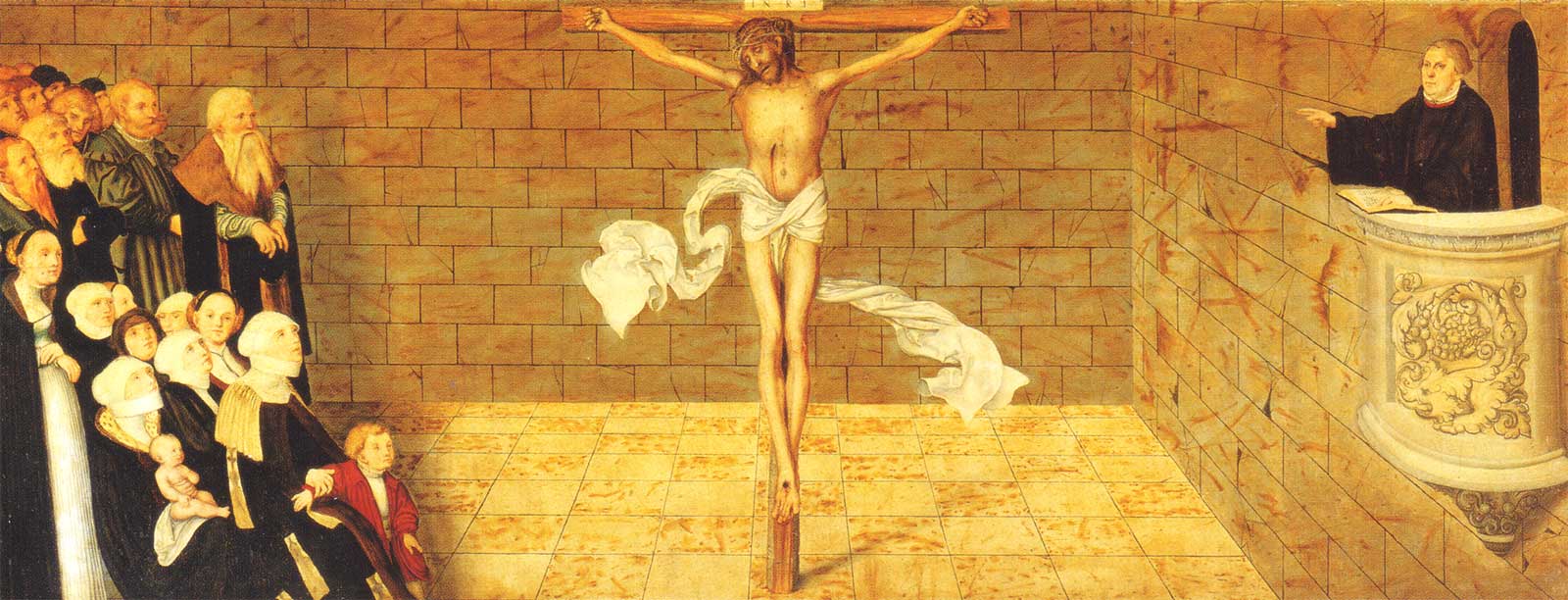
In Jesus we also come to know the God who suffers for this world and the people God loves. On the cross we find a God who refuses to give up on the world or God’s people. The cross looks like a place where God’s love is absent, but we believe this is where we most clearly understand the depth of God’s love. A love that refuses to give up even when it is rejected and killed.
Questions for reflection:
How is Christ’s example of love different from romantic love?
How does Christ’s example of love inform romantic relationships?
How do you see your own leadership impacted by Christ’s example of love?
The Greenhouse for Faith: What We Grow Here is Meant to be Planted in the World
There are four pillars that will be used in this greenhouse: Christ, Word, Faith, and Grace that help us understand the God who is our foundation. We talked in the previous session about how we come to know about God in Christ.
The second pillar is the Word. When we talk about the Word we are primarily talking about three things: the Word of God as Christ, the Word of God as the proclamation of scripture and preaching in the church, and the Word of God as scripture.
The Word always goes back to Christ. When we talk about the Word of God we are first and foremost talking about the Word of God as John’s gospel relates it:
In the beginning was the Word, and the Word was with God, and the Word was God. John 1:1
The Word who was with God, who was in the beginning and who was God is Christ. Christ is active in creation, throughout the life, death and resurrection of Jesus and continues to be active throughout our world.
The Word also goes back to scripture and proclamation. The Christ we talk about will also reflect the Christ we come to know through scripture and the preaching of the church.
Proclamation: We believe that God is active in the world and in the church, and particularly we believe that when a person from the community or the pastor both read and proclaim about scripture that God is active in that space. It is not that the pastor has the perfect words to say or that they are infallible, instead it is a trust and expectation that God and God’s Spirit are active in that time.
Scripture: Luther’s image of scripture being the manger where the Christ child is laid. Scripture is the source of where we come to know about God. We don’t believe that all scripture is equally valued, but instead it is that which presents Christ is the center of scripture. Christ is the key that unlocks everything else.
Reading scripture can be challenging. One of the challenges is the way we often approach scripture: We often go to scripture seeking answers, but scripture wants to give us wisdom. Scripture invites us to learn a way of life, a way of encountering the world, and an invitation to follow the God who we come to know in Christ.
A tool for reading scripture: Law and Gospel. This is one tool in the toolbox of how we approach scripture, but it is a good way to start. Scripture encounters us as Law: that which condemns us, shows us where we have fallen short and need God’s grace and ultimately should drive us back to God and help us reorient our lives on God. Scripture also encounters us as Gospel: that which sets us free, forgives us, renews us, and tells us about what God has done for us.
Questions for reflection:
Think of one of the passages from scripture you are familiar with. Identify both the Law and Gospel in that passage and share your thoughts.
Think of scripture that is problematic or hard to interpret. How does looking at this scripture through Jesus’s teachings change your interpretation?
The Greenhouse for Faith: What We Grow Here is Meant to be Planted in the World
There are four pillars that will be used in this greenhouse: Christ, Word, Faith, and Grace that help us understand the God who is our foundation. We talked in the previous sessions about how we come to know about God in Christ and through the Word and how God’s gift of faith opens us to be a part of what God is doing in the world.
The final pillar is grace which brings us back to the God who we come to know in Christ, through the scriptures interpreted through the key of Christ, and through God’s gift of faith which opens us up and reveals to us the gracious God who we come to know in creation, in Christ’s redemption, and through God’s continuing presence in our lives and in the world.
What do we mean by grace? Grace is God’s love which we come to encounter most centrally in Christ. It is the forgiving love that even when it is rejected does not let go of those who rejected it. It is a love that is willing to suffer for those that it cares about. It is the love that is summed up in what Luther called the gospel in miniature in John 3:16 where (to paraphrase) God so loved the world that God sent that which was most precious to God, the Son, God’s very self, to the world that God loves so that we may know that God loves the world and God loves us.
We live in light of this grace. We have been set free to live in light of this grace.
We live in a tension as people who are set free but also also people who follow a gracious God who comes to serve. As Luther expressed it:
“A Christian is a perfectly free lord of all, subject to none.
A Christian is a perfectly dutiful servant to all, subject to all.” The Freedom of a Christian (1520)
If we follow Jesus we follow a Lord who reminds us that he came not to be served but to serve, and we as followers of Jesus live our lives in service to this world and the people that God loves.
Questions for reflection:
How would you describe Grace in your own words?
What are some of the tensions in your own life that you live with?
When is responding to God’s grace easy in your own life? When is it hard?
The Greenhouse for Faith: What We Grow Here is Meant to be Planted in the World
This final session looks back on all the things that God has done for us and in light of that we consider how we are to live. We are ending where a lot of Christians begin.
Many communities of faith begin with what we need to do to be in a right relationship with God and how we need to live our lives to ‘get into heaven.’
We start with what God has done and that God is the primary actor in the world and in our faith. God is the foundation for all we do. God in Jesus Christ shows us what love is like. The word as we encounter it in both scripture and the proclamation of the church continually points us back to the love of God in Christ, the gracious God of our faith. Faith itself is a gift of God where God opens us to experience God’s love, forgiveness, and frees us to participate in what God is already doing in the world. Everything we have talked about points to the gracious God who refuses to give up on this world that God loves and the people that God created.
How then do we live? Here are five markers of what a well live life looks like:
We live in Gratitude: We say thank you to God for all God has done for us and for this world. We live in ways that give thanks back to God. All that we encounter is a gift: life is a gift, faith is a gift, and when we can encounter this day as a day that God has made, we can rejoice and be glad in it and respond with gratitude.
We live in Freedom and forgiveness: We do trust that we can rise up each day as a child of God who has been forgiven and set free. We can go into each day with trust, faith and hope and we can let go of the things that have bound us in the past.
We encounter the world and our neighbor in grace, love, and forgiveness: We lift people up when they need to be lifted up. We forgive when people believe they are unforgivable. Forgiveness is one of the hardest things that we do but it is also one of the greatest gifts of our faith. Forgiveness refuses to allow the past to determine the future.
We live in service to our neighbors and the world that God loves: We follow a Lord who came to serve, and in following Christ we will serve both the neighbors we encounter, and this world God loves. God sends that which God loves into this world to both put down roots and bear fruit, and we are a part of what God is sending to this world God loves.
We live solely for God’s glory: When we baptize a person we say “let your light so shine before others that they may see your good works and give glory to your Father who is in heaven.” We pray that our life is a mirror that reflects the love, grace, and forgiveness that we have received from God. We live our lives so that God may be glorified. Our lives of gratitude, freedom, love, and service ultimately a lived to give glory to the gracious God who is at work in our lives and in our world.
Questions for reflection:
How do you define gratitude? What does it look like for someone to be gracious as an action instead of feeling it?
How does Christ’s example of gratitude inform your relationships?




 Sign of the Rose