Tag Archives: life

Psalm 116 The God Who Delivers From Death

The Last Supper by Pascal Adolphe Dagnan-Bouvret

Psalm 116

1 I love the LORD, because he has heard my voice and my supplications.

2 Because he inclined his ear to me, therefore I will call on him as long as I live.

3 The snares of death encompassed me; the pangs of Sheol laid hold on me; I suffered distress and anguish.

4 Then I called on the name of the LORD: “O LORD, I pray, save my life!”

5 Gracious is the LORD, and righteous; our God is merciful.

6 The LORD protects the simple; when I was brought low, he saved me.

7 Return, O my soul, to your rest, for the LORD has dealt bountifully with you.

8 For you have delivered my soul from death, my eyes from tears, my feet from stumbling.

9 I walk before the LORD in the land of the living.

10 I kept my faith, even when I said, “I am greatly afflicted”;

11 I said in my consternation, “Everyone is a liar.”

12 What shall I return to the LORD for all his bounty to me?

13 I will lift up the cup of salvation and call on the name of the LORD,

14 I will pay my vows to the LORD in the presence of all his people.

15 Precious in the sight of the LORD is the death of his faithful ones.

16 O LORD, I am your servant; I am your servant, the child of your serving girl. You have loosed my bonds.

17 I will offer to you a thanksgiving sacrifice and call on the name of the LORD.

18 I will pay my vows to the LORD in the presence of all his people,

19 in the courts of the house of the LORD, in your midst, O Jerusalem. Praise the LORD!

Psalm 116 is the song of praise of one who has been delivered from the power of death. Throughout the psalms the LORD is the one who delivers the life (nephesh)[1] of this faithful one from the power of death. This individual praise has been brought into the practice of the Passover meal where the community now praises the LORD’s rescue of them from their death in Egypt. For Christians this psalm is traditionally read on Maundy Thursday (the Thursday before Easter) in connection with the last supper. In both the religious practice of Jews and Christians this psalm echoes a repeated theme in the psalms of a God who ransoms or save the life of the individual or people from the powers of death.[2]

Even though Deuteronomy 6:5 with its command, “You shall love the LORD your God with all your heart, with all your soul, and with all your might.” is one of the central commandments, and a part of the Shema which the people are to regularly recite, the psalms rarely refer to loving the LORD. J. Clinton McCann highlights three other psalms that reference loving God (Psalm 5:1; 32:23; and 40:16) (NIB IV: 1148) but even Psalm 40:16 refers to “those who love your salvation say continually, “Great is the LORD.” The NRSV and many other translations begin this psalm by stating “I love the LORD, because he has heard my voice and my supplications.” Yet, these translations deviate from the Hebrew which has the LORD as the subject of the verb hear. Nancy-deClaissé-Walford captures this in her translation, “I love because the LORD hears.” (Nancy deClaisse-Walford, 2014, p. 858) The rescued one is able to love because the LORD is one who saves from the time of trouble, who hears and inclines the ear of God to the one who calls upon God throughout their life.

God is the one who sustains life, but death is a constant threat throughout this poem. Death and Sheol are parallel terms for this realm or entity which attempts to lay hold of this faithful one. It is mythologized into a living being or force that can encompass with snares or afflict with pangs. This resonates with Paul usage of a personified death which is the last enemy to be defeated in 1 Corinthians 15:26. The LORD is the one who rescues the life of one who has been pulled close to the realm of death and has restored them to life. Now they walk before the LORD in the land of the living.

Even though this psalmist kept their faith in God in their time of distress other may have viewed this as a judgment from God like Job’s dialogue partners or like the enemies encountered in other psalms of lament. (Bellinger, 2014, p. 501) The psalmist may have had to dispute others who viewed their misfortune as indication of unfaithfulness or sin and who in the psalmist’s words were liars. Instead of receiving compassion from others, this one at death’s door may have received condemnation or even seen others plot to take advantage of his physical distress. Yet the psalmist’s faith was in a God who delivers from the snares of death and returns them to life.

The cup of salvation may have originated as a part of the drink offering or in an offering of thanksgiving for well being[3] but this reference to the cup of salvation likely led to the use of this psalm with the fourth cup at Passover. For Christians the linkage of the Passover with the Last Supper led to this being the traditional psalm on Maundy Thursday. Yet within the psalm this line is a part of the psalmist’s thankful reaction to the deliverance they have received. They pay their vows and the celebrate ritually what God has done for them.

Verse fifteen is a verse that is often used in a way that is opposite to its original intent. The NRSV’s translations Precious in the sight of the LORD is the death of his faithful ones makes it sound like the death of the faithful is something God welcomes when the entire direction of the psalm is about a God who rescues from death. The Hebrew yaqar translated as “precious” also has the meaning of costly or weighty. The NJPS translates this verse as grievous in the LORD’s sight. The word for faithful ones is hasid which are those who practice hesed or those who imitate God’s practice of steadfast love. Throughout the psalm the self-disclosure of God’s character in Exodus 34:6 as merciful and gracious…abounding in steadfast love and faithfulness is echoed in the Hebrew vocabulary of the psalm. For example, in verse five several of these same terms for God echo in this psalmist’s description of God.

For the psalmist the experience of rescue from the snares of death demonstrates the character of God. The psalmist lives in gratitude for the ability to love and live again. The come in worship and exaltation to the house of God and echo the Hallelujah (Praise the LORD) that the hallel psalms are named for. In knowing the deliverance of God, they have come to a fuller appreciation of the character of the God who delivers from death.


[1] The Hebrew nephesh is often translated ‘soul’ (as in verse seven and eight in the NRSV) but the modern concept of soul does not communicate the concept of nephesh. Nephesh is the essence of life or the center of life. Even in this psalm which discusses the place of the dead (Sheol) the contrast is between life and death, not life and afterlife.

[2] Psalm 30:3; 33:19; 49:15; 56:13; and 86:13.

[3] Although the offering of thanksgiving for well-being outlined in Leviticus 7:11-18 does not have a drink element with it.

The Story Collector

I listen on the cell phone as the coverage cuts in and out
Straining to hear every word, listen to the emotion there
As across the connection comes the other’s fear and doubt
But in the tear drenched words there is a gift beyond compare
They have trusted me with their story, I’ll hold it close to me
For that is what story collectors do for the world that they see
 
A family comes from across the country to gather together
To remember a man who made an impact on their life
And I sit and listen, collecting as their memories untether
As tears and laughter mix with joy and love, pain and strife
They have trusted me with their story, I’ll hold it close to me
For that is what story collectors do for the world that they see
 
So often, they wonder, those whose stories I’ve heard
How I can enter these times of hurt, loss and despair
It’s not always easy to enter the pain, to carry each word
But the gift that they’ve given is beyond all compare
They have trusted me with their story, I’ll hold it close to me
For that is what story collectors do for the world that they see
 
The stories I gather will never be committed to paper and ink
For they are shelved in my mind, locked in my memory’s circulation
But in my mental library holds them so that when I think
I can learn from all of their lives, struggles and perspiration
They have trusted me with their story, I’ll hold it close to me
For that is what story collectors do for the world that they see

The Rules

Afghan children playing soccer in front of the ruined Darul Aman Palace on the outskirts of Kabul from www.dawn.com/news/1050835

Afghan children playing soccer in front of the ruined Darul Aman Palace on the outskirts of Kabul from http://www.dawn.com/news/1050835

When we were children and the game wouldn’t go our way
We would reinvent the rules of the game so that we might win
And others around us would cry out unfair, you changed the rules
But in our childish foolishness we believed we were masters of the game
And the rules could be bent to serve our needs and wants and desires
In a world that was bound in an orbit with us at the center
 
Yet, when we were older the rules became hardened in the game of life
Others stepped in as referees ensuring that we played by some rulebook
We were never allowed to study or read but which defined the roles
We were expected to play in work, at home, in relationship and in life
And if we dared to cry out that the rules were unfair we would be penalized
For the rules couldn’t be bent to serve our wants and needs and desires
In a world that was bound in an orbit where we are not the center
 
But sometimes the game of life breaks us leaving us shattered on the field
The rules we tried to work within only served to beat us down and confine us
The game became a sentence in which we were expected to serve our term
And the referees became the warden keeping us imprisoned within our cells
For the rules were there to keep a check on our wants and needs and desires
In a world that was binds us in orbit to someone else’s sun
 
But sometimes there is wisdom in childhood in knowing the rules can change
In reinventing the rules that don’t work and ignoring the self-appointed referees
In playing a game where we might flourish and our lives matter
Where we can once again believe that we are the masters of the game
And the rules could be bent to serve our needs and wants and desires
In a world no longer forced to orbit around someone else’s star


Long Lost

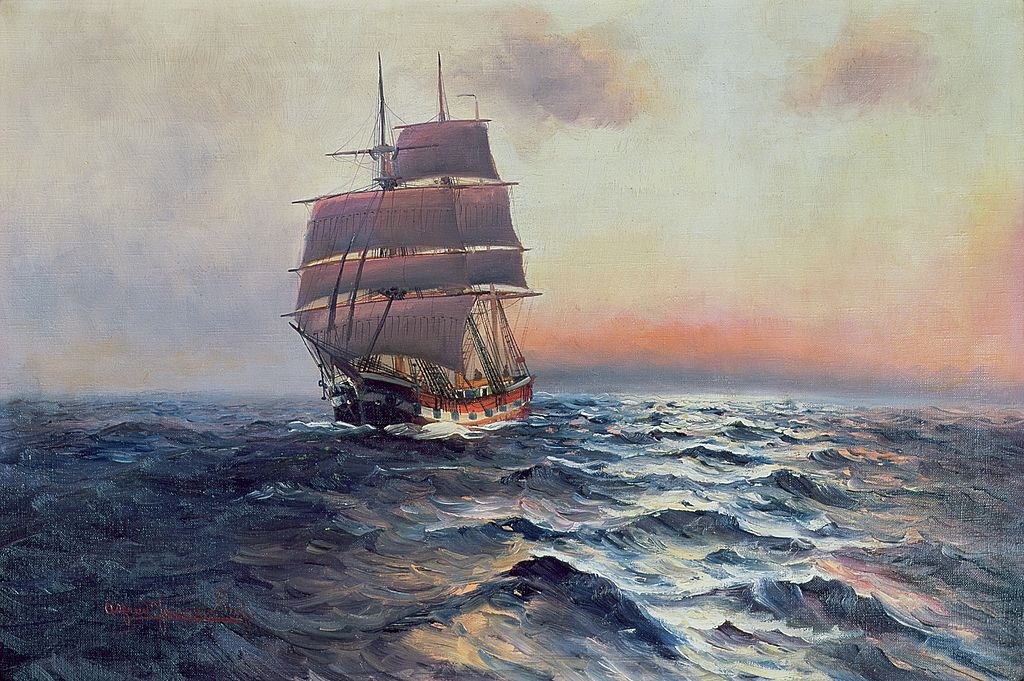
By Alfred Jensen (1859-1935) - The Bridgeman Art Library, Object 225483, Public Domain, https://commons.wikimedia.org/w/index.php?curid=24979280

By Alfred Jensen (1859-1935) – The Bridgeman Art Library, Object 225483, Public Domain, https://commons.wikimedia.org/w/index.php?curid=24979280

At the time we were inseparable, two mates encountering life
But time has its way of pulling apart and placing an ocean between
Colleagues and friend braving the stormy seas of life
Divided as the four winds blew our sails differently
Every now and again I look back across the seas of time
For friends who traveled with me for a part of my journey
Going along as we sailed the currents for the time allotted
However currents shift and winds pull and times separate
I’ve had so many friends in the various ports I’ve called home
Journeying like a merchant marine through my life’s journey
Kindness encountered and given from one friend to another
Long lost except in our memories and recollections of the journey

This is a part of the intro to poetry posts, day 3 where the prompt is friend and the challenge is to use an acrostic (line beginning with a progression of letters either to spell something or like above alphabetically)

Mosaic

Mosaic from the parish church of Saint Michael and Saint Peter, Antwerp

Mosaic from the parish church of Saint Michael and Saint Peter, Antwerp

Looking back on all the pieces of my life
Is not like looking at a picture composed on a canvas
That brings together the palette of colors and shades
To paint a portrait of a person who emerges whole
Stepping forth from the dreams and imagination
 
Nor is it like a sculpture chiseled out of the stone
Seeing the beauty that rested within the raw resources
Standing unchanging and immovable once complete
Where the finished product is merely a skilled refining
Calling forth the potential residing within the granite
 
No, the artist who worked on my life must love mosaics
Being able to pull together the discordant colors and jagged edges
Patiently arranging the broken pieces to see something larger
Seeing something of hidden beauty among the broken shards
Using the mortar of life to bring together the shattered stone

Living Brave Reflection 11- Integrating Stories

Mosaic from the parish church of Saint Michael and Saint Peter, Antwerp

Mosaic from the parish church of Saint Michael and Saint Peter, Antwerp

I’ve often joked that the pieces of my story don’t easily fit together in one life. I was a civil engineering major in college, an officer in the military, a seminarian and later a pastor. I lived in seven states in my adult life (which means I’ve moved frequently) am a father to two kids both very bright. I had to figure out how I would raise my son who is high functioning autistic and be a long distance father to my daughter after my divorce. I had to figure out how to date again in my late 30s and early 40s and then learn how to be married again after being single for five years. I’ve had to go back to the moments of crisis and learn from them, seeing the ways in which they knit together all the different pieces of the story. How the heartbreaks could lead to a new place of wholeness and healing and how the transitions became the opportunity for new beginnings and adventures. It hasn’t always been easy but overall it has been good. I wouldn’t be the person that I am today without any one piece of my story, but my story is (hopefully) far from over and I have a lot I still want to write.

In many respects I am amazed at how far I have come. The journey has changed me in drastic ways but I am proud of who I have grown to be. I may not always be the hero in my own narrative, life is more complex than that, but I feel like I have grown wiser in the joy and suffering of my life. There are times where I regret the opportunities to show kindness that I turned away from but I am also cherish the times where I was compassionate enough to see another’s need and not to turn away. There may be times where I was an easy mark, where forgiveness left me vulnerable to being hurt again and yet, I wouldn’t change that. That is a part of the person I want to be, a person who can see the best in others and can hope to make a difference in some small way.

Perhaps the learning comes from the way in which I have allowed myself the grace to be the complex mosaic of stories and experiences and feelings that I am. Rather than trying to mold myself into some monolithic image to allow the plurality of facets of myself to be seen. Perhaps a part of the difference between the immediate emotion and the later understanding of the broader story comes in the forgiveness I can extend to others and me, in learning to be open to not just giving help but receiving it. Perhaps in learning the story of my own heart and claiming it I have found the courage to own my stories and to enjoy living with them not in some nostalgic way, longing to return to the past, but more as pieces of a journey that brought me to the place I am today.


All That Is Solid Dissolves Into Air

Smoke 1When the air becomes heated hotter than the smith’s forge
And the pillars of the earth begin to falter under the heat and pressure
When cynicism strips away every foundation, every dream, every hope
And all that is solid dissolves into air. 

In that breathless, lifeless landscape of an atomistic existence
That tears apart the ties that bind under conditions of molecular fission
The stories told, the dreams cherished and the hopes nurtured burn
When all that is solid dissolves into air. 

Can fusion reemerge from the fission and the foundations be sunk anew?
Can the furnace of our destruction be quenched and the pressure released?
For the atom rich air has no place left for the complexity of life
Until that which was dissolved becomes solid again.

In the Moment

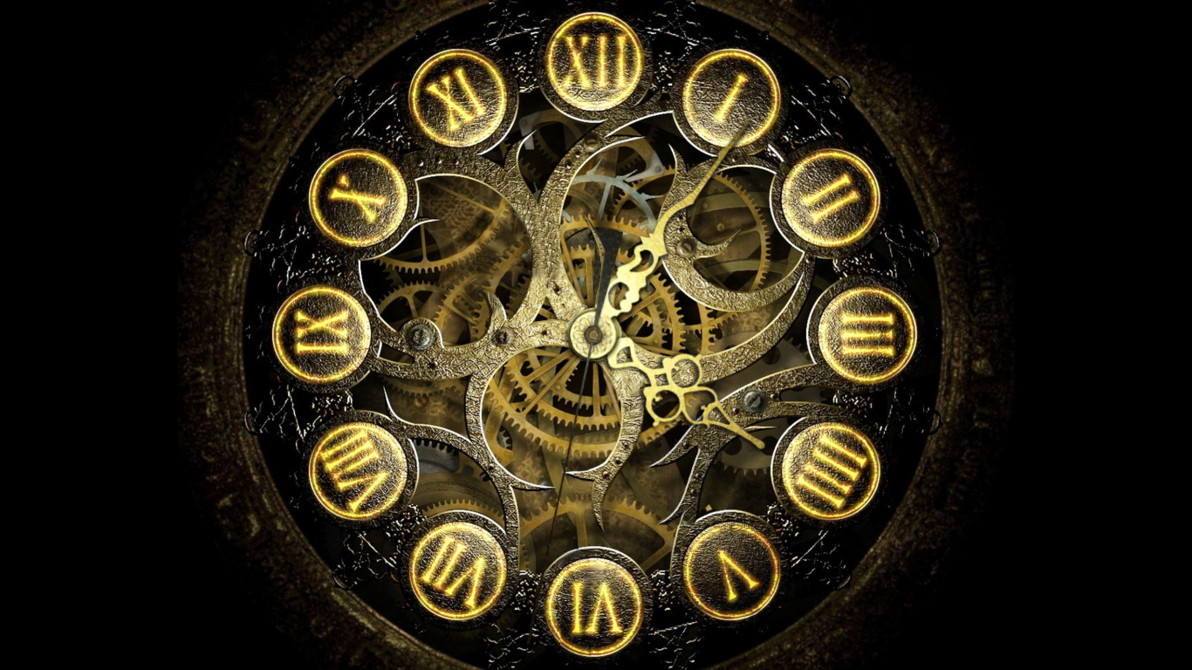
Mechanical Clock by jimking@deviantart.com

Mechanical Clock by jimking@deviantart.com

The past is gone with its joys and sorrows and yet it wants to linger
To corrupt the moment with its unanswered questions and haunted moments
It wants to continue to speak long after its allotted time has passed
It wants to live again and again in that long awaited moment
That kairotic time where grace and possibility have opened up
Where there is no longer the need to seek a better past
Or to live life as an apology for the missteps we make real and imagined
And in the moment I am trying to live and love and dwell
Maybe someday this moment will be an echo of a past gone away
But for now I am in the moment and I am alive
 
The future also desires to cast its own voice into the moment
Whispering its potentials and possibilities, pitfalls and perils
Filling the space with what ifs, might becomes and the questions of uncertainty
Speaking in harmony with the past it tries to haunt the moment
With the specters of questions that cannot be answered
And may never be asked, if not in the fears of what could be
Yet in this time of grace there is perhaps the courage to listen
To listen primarily to the moment, not ignoring the future and past
But to realize that their voices are meant to complement and not dominate
This moment in which we live, this time where we love
And for the moment we can dance and celebrate and embrace
The life that we know and the gift of each passing moment
 
Neil White, 2014

Fired Clay

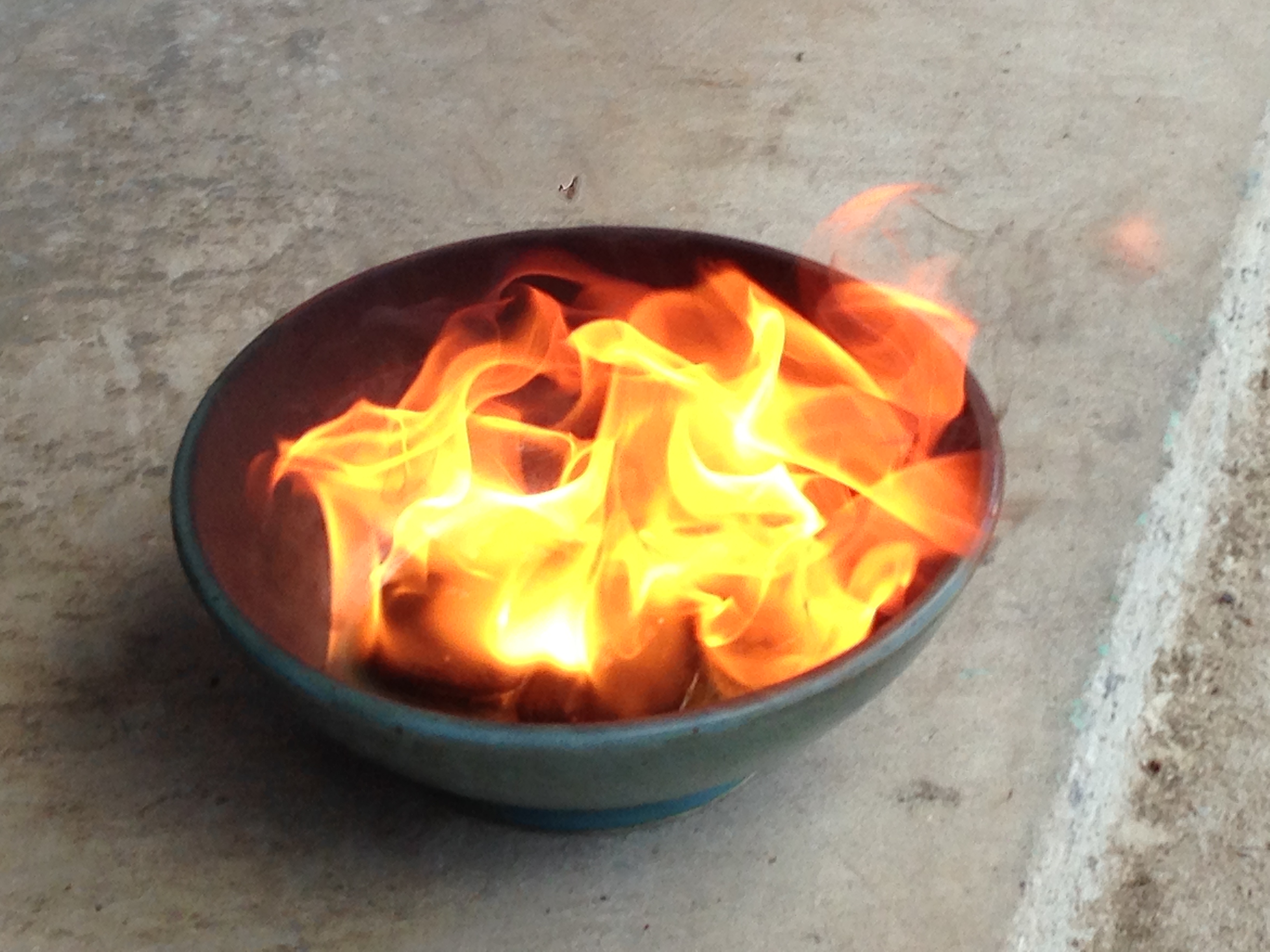
photo (7)
We often see the fragility that comes from the way in which our beings are made
The manner in which we are so easily chipped and broken by the hard places of life
We may wish we were made of sterner stuff like iron or bronze
Or that we bore the shine of silver or gold or some precious stone
But we mortal beings bear our treasures in the fired clay of the earth
Formed from the mud and our varied shapes formed upon the wheel
Yet, it is the kiln of life that locks us into our true form
And no glaze can disguise that reality that we are pots needing to be filled
Yet one stunning revelation in the midst of this season of the Spirit
That lights upon the apostles as flames of fire consuming the past
Lighting the way to a new and uncertain future for them and those who follow
But one truth of ceramics for all their flaws and weaknesses
Is their ability to absorb the heat of the flame, for they were formed in it
Unlike metals they retain the heat rather than transmitting it to the world around
They are able to bear the creative fire of the spirit’s presence into the world
Without the world around them being consumed by heat of holiness
In their mortality and fragility they are suited to a task no other can manage.
Neil White, 2014